



Art Deco Iron Lighting
Art deco iron lighting brings together heavy metalwork and luminous glass to define the interiors of the early twentieth century.
Art Deco Iron Lighting
Art deco iron lighting covers functional and decorative pieces designed primarily through the 1920s, 1930s, and 1940s. These pieces combine robust metal structures with glass shades to create striking illumination.
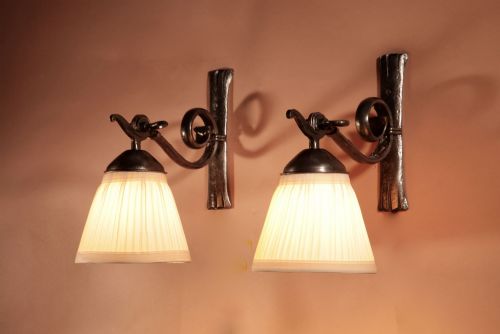
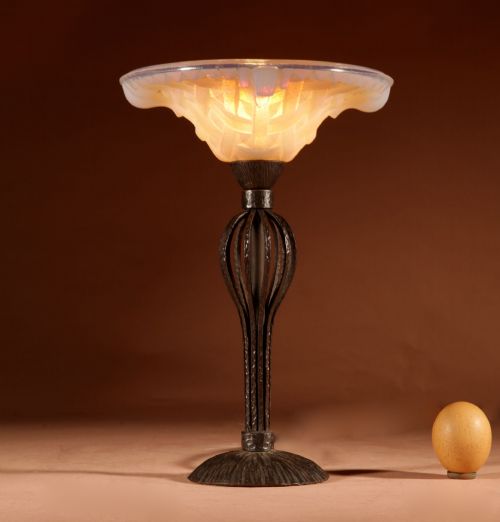
The selections on this page feature table lamps, desk lamps, wall lights, chandeliers, and torcheres. Many items display the distinct architectural geometry and industrial strength characteristic of the period.
Origins span international workshops, showcasing French influences alongside Amsterdam School designs and Bohemian glasswork. Buyers encounter everything from adjustable wall lights to large exterior lanterns.
How they were made
Makers utilised wrought iron and cast iron to form the sturdy frames and structural supports of these lamps and chandeliers. Metal components were shaped by hand or cast to achieve clean lines and industrial rigidity.
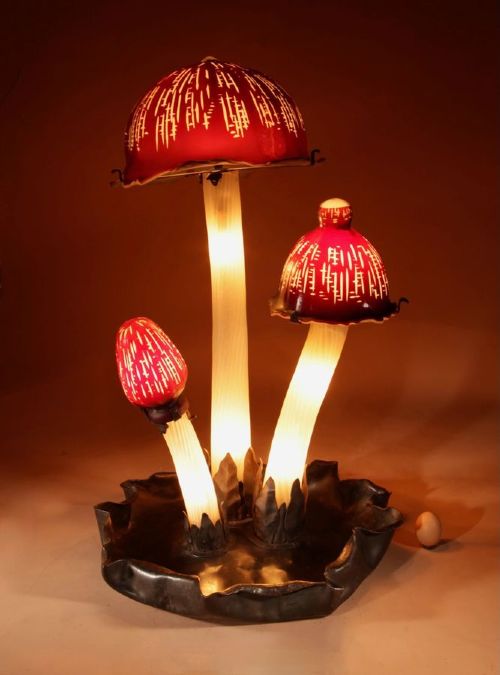
Lighting elements incorporated art glass, frosted glass, and opalescent glass to soften the glare of early bulbs. Enamelled glass and fabric shades also appear, paired directly with the heavy metal bases.
Art Deco Iron Lighting Retail Price Guide 2026
Typical asking prices for art deco iron lighting among the pieces listed under this phrase on Sellingantiques today, from the lower quarter to the upper quarter. They describe what is for sale here now, not the wider market.
Listings feature four distinct decades, stretching from nineteen hundred through to the nineteen forties.
What varies in quality
Quality rests in the harmony between the metal armature and the glass shade, where finer examples feature bespoke glass moulded specifically for the iron frame. Lesser pieces rely on generic replacement shades that disrupt the intended silhouette.
The refinement of the ironwork itself marks the upper tier, showing careful manipulation of the metal rather than simple utilitarian assembly. Details such as adjustable joints and integrated enamel finishes separate standard production from superior craftsmanship.
Lacroix Lalique·Schneider·Hawkins
The Art Deco Iron Lighting Glossary
- Wrought iron
- A tough, malleable form of iron beaten into shape by hand. It provides the strong, fibrous framework characteristic of many period light fittings.
- Opalescent glass
- Glass that exhibits a milky, milky-blue iridescence similar to an opal. It diffuses light gently and creates a warm glow in decorative shades.
- Amsterdam School
- An architectural and design style originating in the Netherlands. It emphasises expressive brickwork, heavy ornamentation, and stylized metal components.
- Torchere
- A tall standing floor lamp designed to direct light upwards towards the ceiling. These fixtures often feature heavy iron stems and prominent glass bowls.
Art Deco Iron Lighting: Frequently Asked Questions
How do I wire vintage iron lighting?
Most pieces require modern rewiring to meet current electrical safety standards before daily use.
A qualified electrician can easily thread modern flex through the existing iron channels without altering the antique metalwork.
Can these desk lamps take modern bulbs?
Original lamp holders often accommodate standard modern screw or bayonet bulbs of appropriate wattage.
LED alternatives work particularly well because they generate less heat, protecting fragile vintage glass shades from thermal stress.
How do I clean wrought iron frames?
Dust the metal surfaces regularly with a dry microfibre cloth to prevent the accumulation of grime.
Avoid harsh chemical cleaners that can strip protective historic waxes or damage applied enamelled finishes on the iron.
What is the difference between 1920s and 1930s designs?
Twenties pieces frequently incorporate ornate decorative elements influenced by lingering art nouveau traditions alongside emerging geometric art deco forms.
Thirties designs lean further into industrial streamlining, favouring clean functional shapes like adjustable anglepoise mechanisms and frosted glass hemispheres.