





Art Deco Interior
Art deco interior pieces bring striking geometric lines and rich veneers into modern rooms, offering both functional storage and bold twentieth-century design.
Art Deco Interior
Art deco interior pieces encompass functional furniture and decorative objects originating primarily from the 1930 period, alongside complementary Edwardian items.
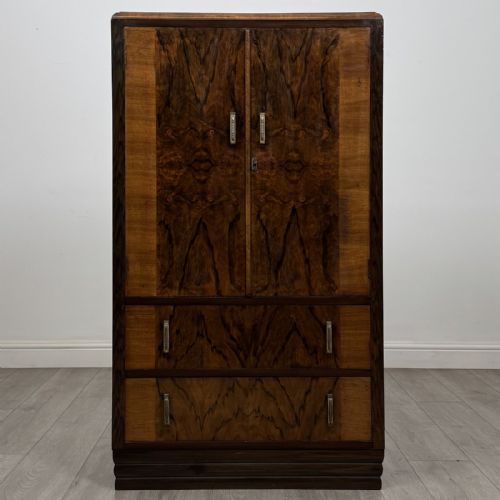
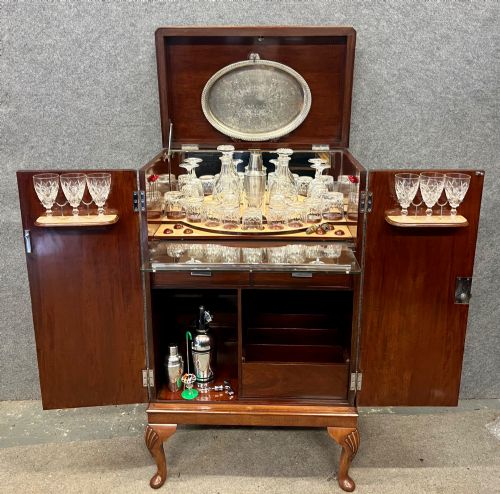
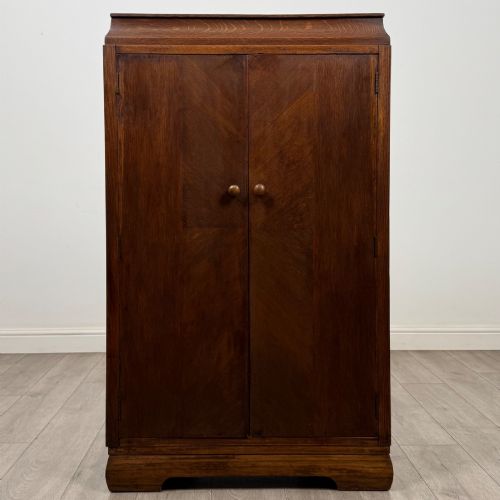
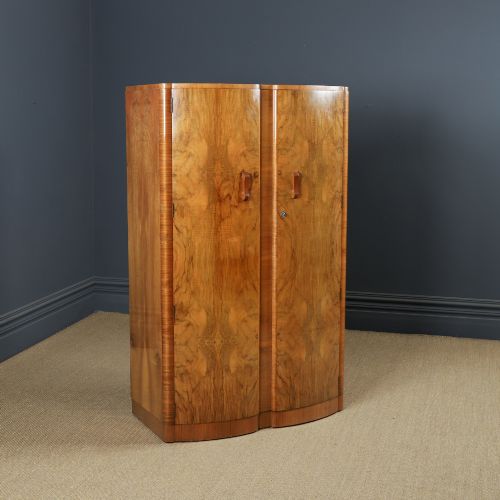
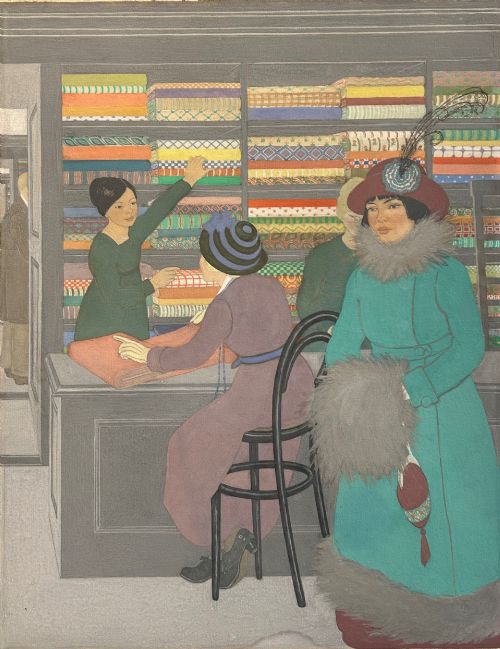
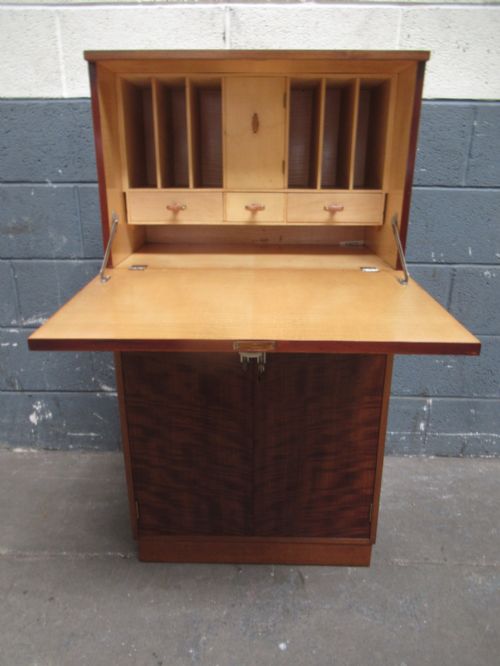
The selections on this page feature practical furniture forms such as fitted wardrobes, writing bureaus, and cocktail cabinets, alongside paintings and wall art.
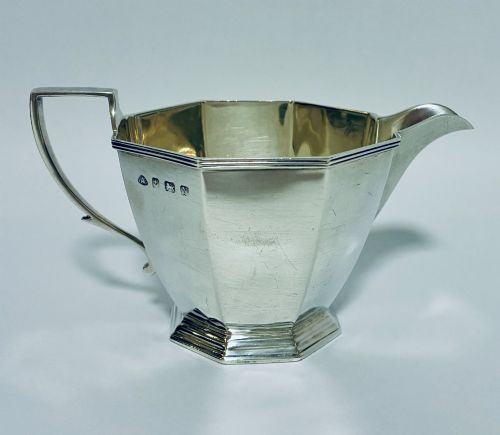
Buyers will most frequently encounter walnut and oak cabinetry alongside silver tableware, mirrors, and glass lighting fixtures that define the aesthetic.
Materials and Construction
Cabinetry relies on sturdy timbers like oak and walnut, frequently enhanced by decorative veneer patterns that accentuate the natural grain.
Metalwork utilises gleaming chrome alongside sterling silver, pairing industrial finishes with warm polished woods.
Glass and mirrored surfaces integrate with printed fabrics and oil on canvas to complete the tactile material palette.
Art Deco Interior Retail Price Guide 2026
Typical asking prices for art deco interior among the pieces listed under this phrase on Sellingantiques today, from the lower quarter to the upper quarter. They describe what is for sale here now, not the wider market.
Listings span the Edwardian era through to the 1930 period, featuring walnut, oak, chrome, and sterling silver.
Assessing Quality
The finest pieces demonstrate meticulous attention to veneer selection, where symmetrical grain patterns flow seamlessly across multiple doors and drawers.
Master craftsmanship shows in the structural integrity of fitted interiors and the precision of decorative hardware, distinguishing bespoke workshop production from simpler output.
Harry and Lou Epstein·Beatrice Saunders
The Art Deco Interior Glossary
- Cocktail cabinet
- A specialised storage piece designed for entertaining, typically featuring fitted glass shelves and mirrored interior compartments. These drinks cabinets represent quintessential 1930 social habits.
- Veneer
- A thin layer of finer wood applied over a sturdier base timber to create decorative surface patterns. Figured walnut veneer is particularly characteristic of this era.
- Bureau
- A desk featuring a hinged writing flap that conceals internal pigeonholes and compartments. Edwardian and 1930 examples combine practicality with compact form.
- Sconce
- A wall-mounted lighting fixture designed to direct illumination upwards or outwards. Flame wall light sconces provide distinct atmospheric illumination.
Art Deco Interior: Frequently Asked Questions
What defines an art deco interior aesthetic?
An art deco interior relies on geometric symmetry, rich wood veneers like walnut, and gleaming accents of chrome and mirror. These elements combine to create a sophisticated and cohesive visual impact.
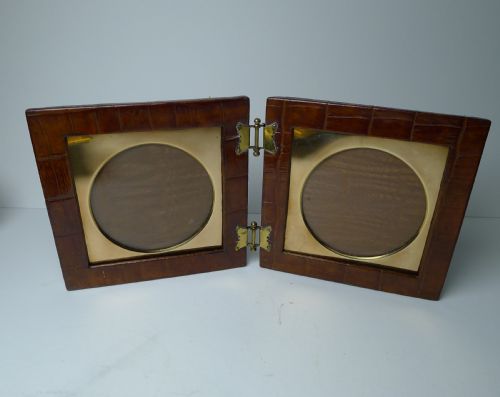
Such pieces range from large fitted wardrobes to smaller decorative items like picture frames and milk jugs, all sharing a distinct twentieth-century character.
How were cocktail cabinets used?
Cocktail cabinets served as the social centrepieces of 1930s entertaining, designed specifically to house bottles, glassware, and mixing equipment behind handsome doors.
Inside, mirrored backs and specialised glass shelving provided a theatrical display space for serving drinks to guests.
Can I mix Edwardian pieces with 1930 items?
Mixing earlier Edwardian furniture with 1930 pieces works well when the timber tones and general scale complement each other within the room.
Thoughtful placement allows different decades to converse harmoniously rather than competing for visual dominance.
How do I care for walnut veneer surfaces?
Walnut veneer requires protection from direct sunlight and excessive moisture to prevent the fine wood from fading or lifting over time.
Regular gentle dusting and occasional waxing will maintain the rich lustre and depth of the polished grain.