



Art Deco Gold Charm
Art deco gold charm pieces combine period novelty with precious metal, offering miniature works of wearable history.
Art Deco Gold Charm
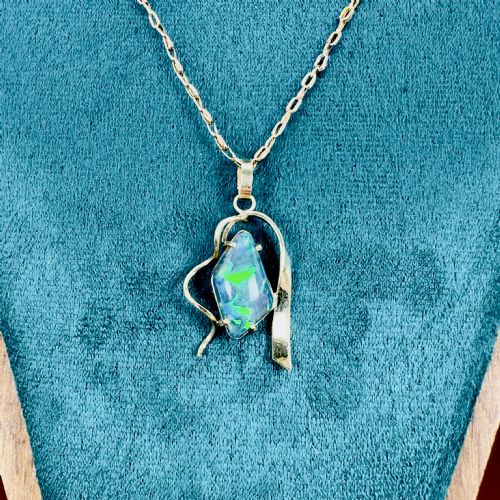
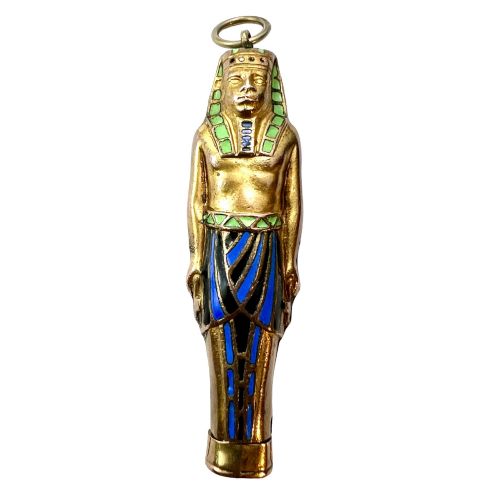
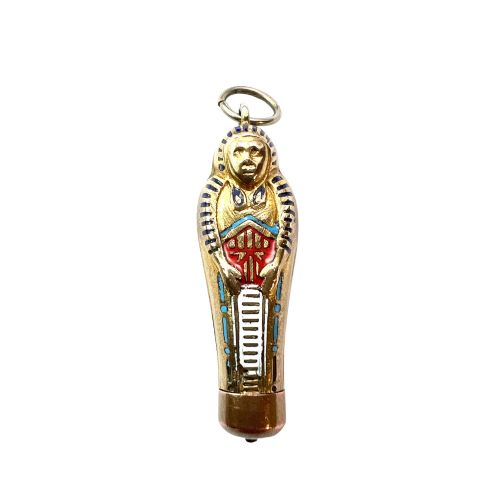
An art deco gold charm represents a miniature pendant or novelty item typically formed from yellow gold, white gold, or gilt metal. The selection includes figural novelties such as sarcophagus propelling pencils, religious medals, and pictorial pieces.
The objects span periods from the Edwardian era through the 1930s, with a strong representation of 1920s French manufacture. Forms range from simple crosses and stars to intricate mechanical novelties like die and thermometer charms.
These items function primarily as pendants and charms, often designed to be suspended from necklaces or charm bracelets. Buyers encounter both utilitarian novelties, such as writing pencils, and purely decorative religious or thematic pieces.
How they were made
Metals employed in these pieces include 9ct gold, 18ct yellow gold, 18k yellow and white gold, and gilt metal. Artisans shaped these precious metals to house stones, enamel work, and mechanical internal components.
Surface decoration frequently relies on vibrant enamel applied to gold bases, alongside shell elements like mother of pearl and shagreen. Stones such as opal doublets, crystal, seed pearls, diamonds, jadeite, and carved jade are integrated into the designs.
Art Deco Gold Charm Retail Price Guide 2026
Typical asking prices for art deco gold charm among the pieces listed under this phrase on Sellingantiques today, from the lower quarter to the upper quarter. They describe what is for sale here now, not the wider market.
Some lucky owners carried miniature working thermometers and love magnets inside their gold charms.
What varies in quality
The sophistication of the mechanics and the intricacy of the carving dictate the distinction between standard and superior pieces. Mechanical elements like functioning propelling pencils or moving dice demonstrate greater technical ambition.
Material selection creates clear divisions across the range, separating simpler gilt metal items from substantial 18-karat gold examples set with quality stones or detailed enamel work.
Paul Brandt·Goldscheider Myott
The Art Deco Gold Charm Glossary
- Doublet
- A composite gemstone made of two joined sections, often pairing a thin slice of precious opal with a supportive base. This technique maximises visual impact while utilising materials efficiently.
- Propelling pencil
- A mechanical writing instrument designed to advance graphite lead through a sliding mechanism within a metal casing. Miniature versions were frequently worn as decorative pendants.
- Shagreen
- Undyed skin from shark or ray, recognised by its rough, pebble-like texture and used for decorative surface covering. It appears on novelty pieces to create tactile contrast against smooth gold.
- Enamel
- A vitreous substance fused to metal surfaces through high-temperature firing to add colour and pattern. It provides durable decoration on religious medals and novelty charms.
- Gilt metal
- Base metal treated with a thin layer of gold through mechanical or chemical gilding. This material offered an accessible alternative to solid gold items during the period.
Art Deco Gold Charm: Frequently Asked Questions
What materials make up an art deco gold charm?
Pieces combine precious metals like 9ct and 18ct yellow or white gold with gilt metal alternatives. Enamel work, opal doublets, seed pearls, crystals, diamonds, and mother of pearl frequently augment the metal structures.
Makers also incorporated organic textures such as shagreen and carved jadeite into the designs. The variety reflects both high-end jewellery workshops and smaller novelty manufacturers of the period.
How were these items worn originally?
Jewellery pieces served primarily as pendants on necklaces or as hanging charms attached to bracelets. Many examples double as functional items, such as miniature writing pencils or religious medals.
Owners selected pieces that expressed personal devotion, luck, or playful utility. The compact scale allowed multiple items to be suspended together.
Are all these items from the 1920s?
While the 1920s and Art Deco style dominate the selection, the offerings span a broader timeframe. Pieces range from late Victorian examples and Edwardian items up to the 1930s.
Stylistic influences include Egyptian Revival alongside classic geometric art deco motifs. Each period contributes distinct manufacturing techniques and materials to the overall collection.
What is an Egyptian revival charm?
Egyptian revival pieces draw direct inspiration from archaeological discoveries of the early twentieth century. Common motifs include sarcophagi enclosing tiny pharaoh figures and functional propelling pencil fobs.
These items use enamelled metal to replicate ancient colour palettes and iconographies. The subgenre bridges traditional jewellery with miniature sculpture.