


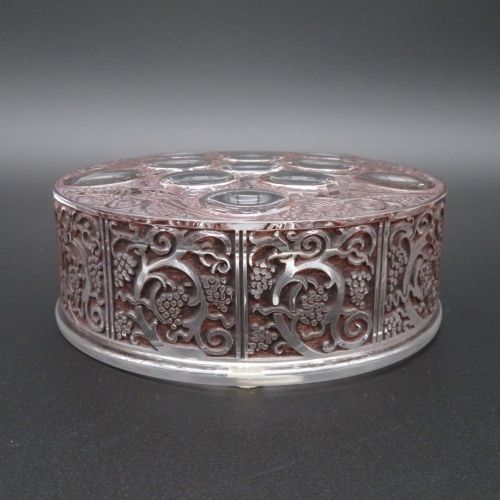


Art Deco Glass Trinket
These art deco glass trinket pieces bring tactile geometry and refined colour to a dressing table.
Art Deco Glass Trinket
When you search for an art deco glass trinket, you encounter a focused selection of vanity containers designed for daily dressing table use. These objects include powder boxes, vanity jars, lidded bowls, and decorative dishes that served functional roles in the early twentieth century.
The material record spans the 1910s, 1920s, and 1930s, capturing the shift from Edwardian and Art Nouveau aesthetics into full geometric Art Deco design. Most examples combine moulded or cut glass vessels with fitted metal mounts.
Lids and mounts introduce precious elements such as sterling silver, tortoiseshell, and vibrant enamel work. Pieces range from small rouge pots to substantial crystal boxes designed to hold cosmetics or small personal items.
Materials and Techniques
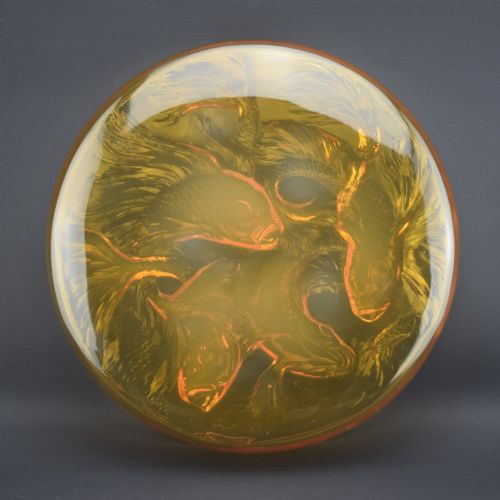
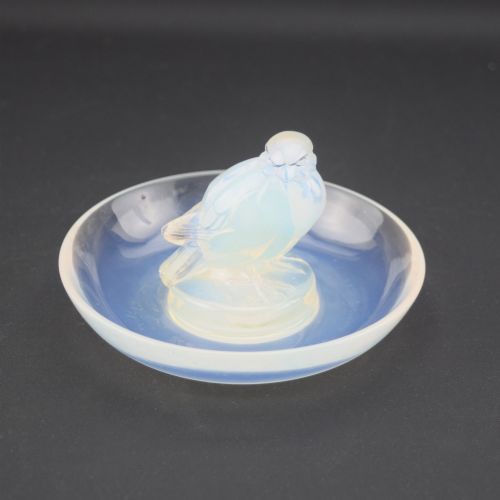
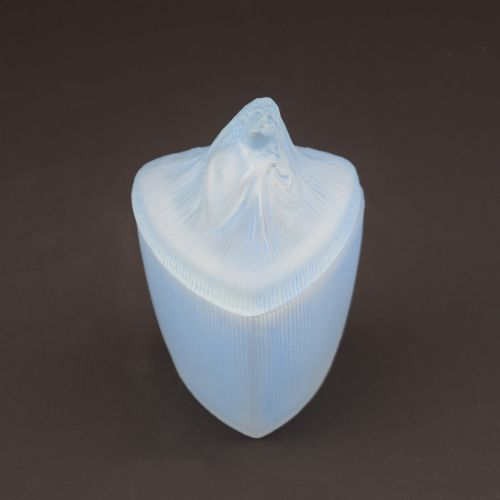
Makers utilised clear crystal, heavy cut glass, and opalescent or frosted glass for the bodies of these boxes. Opalescent glass diffuses light across moulded reliefs, creating subtle shifts in tone.
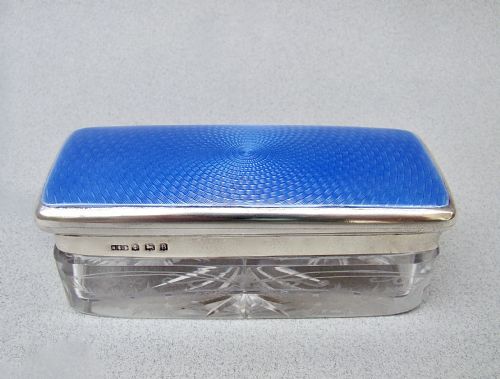
Metalwork frames the glass securely, often taking the form of hallmarked sterling silver collars and rims. Enamel techniques, particularly guilloché work with its engine-turned patterns under translucent colour, frequently adorn the silver lids.
Art Deco Glass Trinket Retail Price Guide 2026
Typical asking prices for art deco glass trinket among the pieces listed under this phrase on Sellingantiques today, from the lower quarter to the upper quarter. They describe what is for sale here now, not the wider market.
Assessing Quality and Execution
Quality rests in the crispness of the glass moulding and the precision of the silver hallmarks. Maker attribution also elevates certain pieces above standard production wares.
The depth of the guilloché engraving and the richness of the applied enamel determine the visual success of the lid. Thick, heavy crystal bodies with clean bevel cuts indicate superior production standards.
Henry Clifford Davis·Rene Lalique·W M F·Sabino
The Art Deco Glass Trinket Glossary
- Guilloche enamel
- A decorative technique where metal is engine-turned with an intricate geometric pattern before a translucent enamel layer is applied. This creates a shimmering, reflective surface under light.
- Opalescent glass
- Glass that displays a milky, translucent quality with shifting blue or amber tones. It is often utilised in moulded pieces to accentuate raised sculptural details.
- Rouge pot
- A small lidded container historically used for holding cheek or lip cosmetic colour. These pots frequently feature precious metal mounts and decorative enamel lids.
- Vanity jar
- A container designed for a dressing table to hold creams, pins, or powder. They typically combine glass bases with hallmarked silver or tortoiseshell covers.
- Sterling silver
- An alloy of silver containing 92.5 percent pure silver and 7.5 percent other metals, usually copper. It provides durability for fitted mounts and decorative box lids.
Art Deco Glass Trinket: Frequently Asked Questions
What were these glass boxes used for?
These containers served practical purposes on dressing tables and desks, holding face powder, rouge, hairpins, or small personal keepsakes. Their decorative exteriors allowed them to remain on display rather than stored away.
Over time, their utility shifted from daily cosmetic use to collectible display items appreciated for their period design and craftsmanship.
How do I identify an art deco piece?
Look for geometric motifs, stylised floral reliefs, and clean symmetrical lines characteristic of the period between the wars. The pairing of frosted glass with polished silver mounts is a common indicator.
Maker signatures pressed into the glass or official silver hallmarks stamped on the metal mounts help confirm the date and origin of the piece.
Are the lids made of silver?
Many lidded containers feature hallmarked sterling silver mounts and covers, often stamped with city marks and date letters. These hallmarks indicate the year of manufacture and the assay office.
Some lids also incorporate decorative enamel panels, tortoiseshell inlay, or glass overlays set within the silver framework.
How should I care for glass and silver?
Clean the glass bodies with a soft cloth and mild soapy water, avoiding harsh abrasives that could scratch the surface. Take care around any frosted or opalescent areas to preserve the finish.
Polish the silver mounts gently with a specialised cloth while keeping silver polish away from enamel surfaces or glass crevices.