


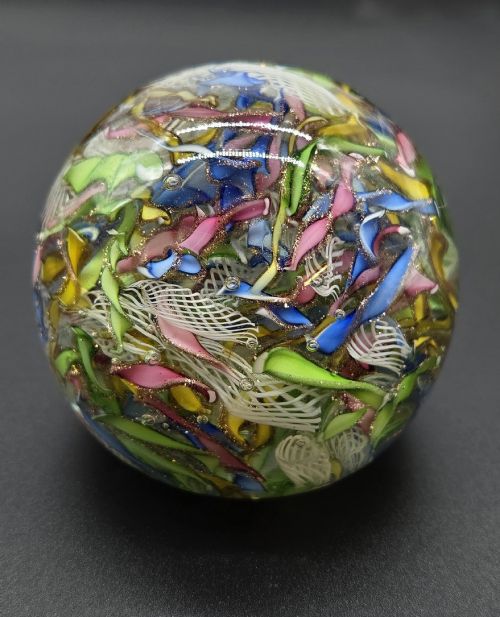


Art Deco Glass Paperweight
These art deco glass paperweight pieces bring sculptural form and frosted elegance to a desk, capturing the bold geometry and naturalism of the interwar years.
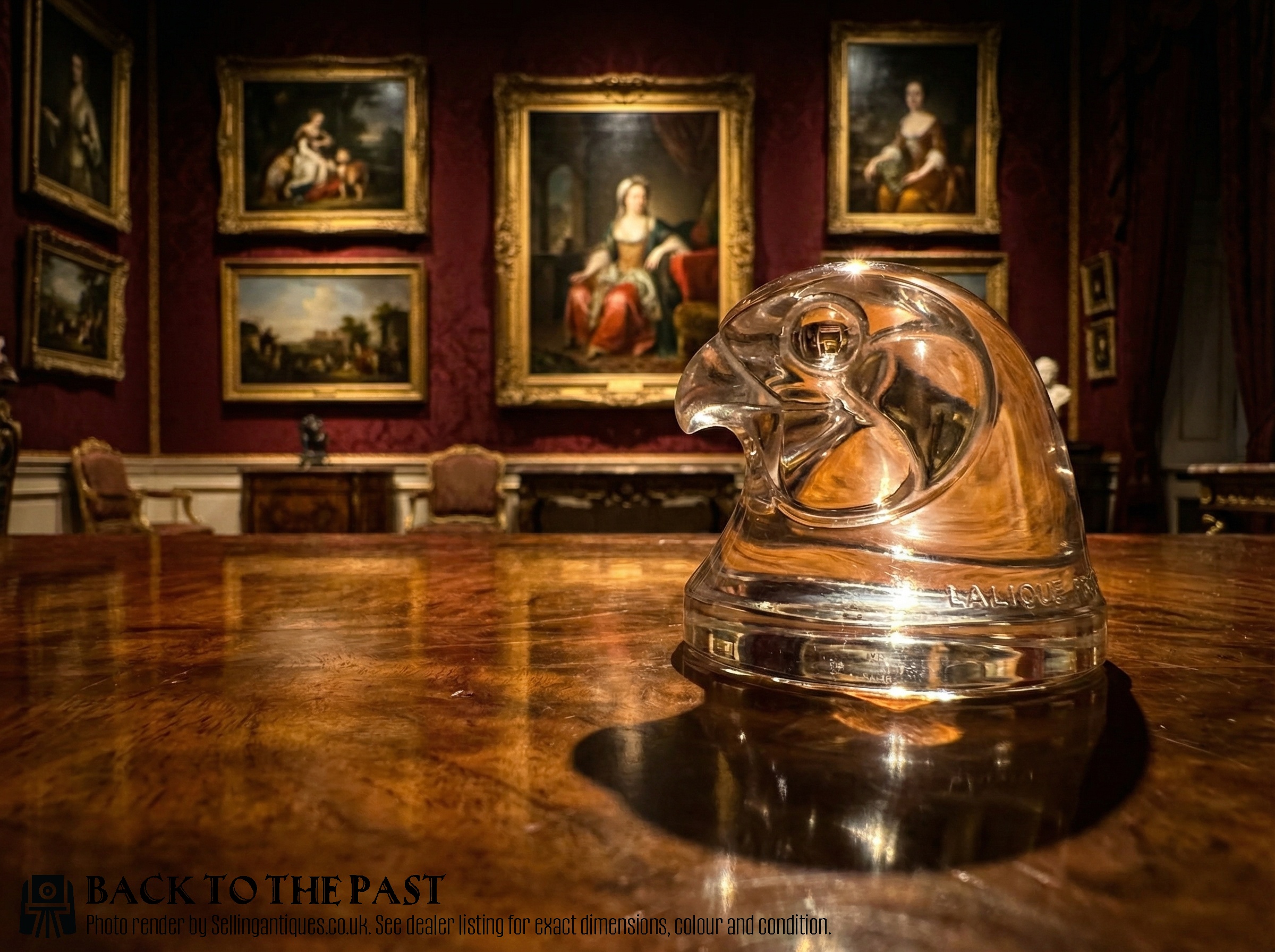
What They Are
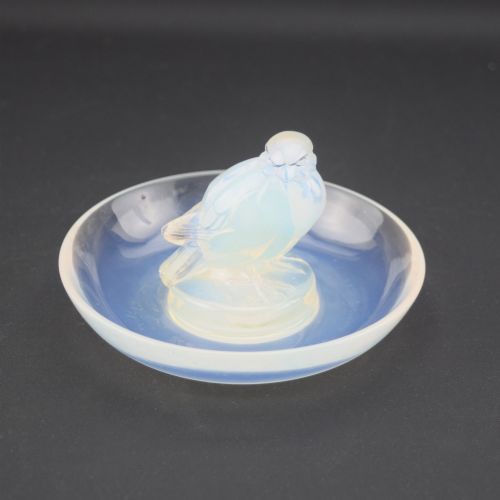
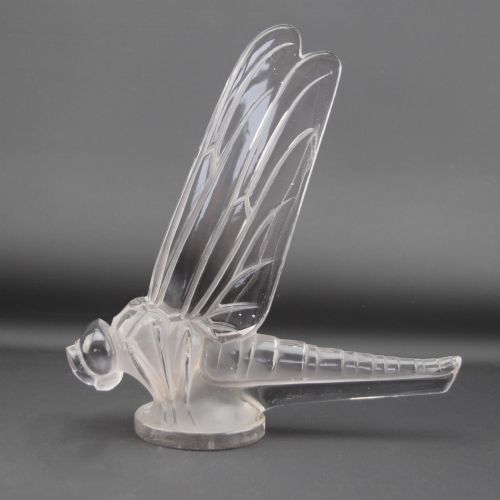
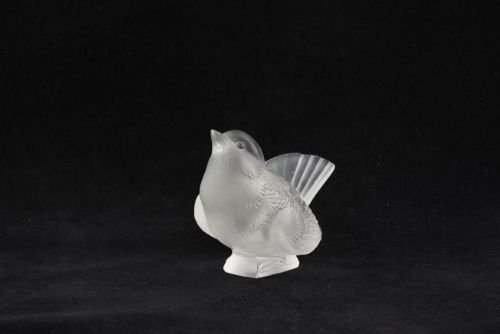
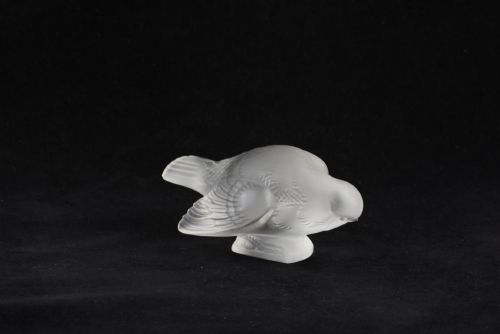
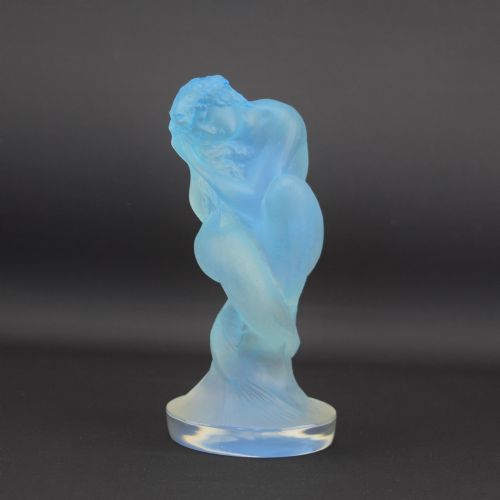
An art deco glass paperweight encompasses desk accessories, sculptural figures, and pin dishes created during the 1920s and 1930s. Buyers searching this phrase meet moulded figures of sparrows, stylized water nymphs, and amber desk items.
The objects serve practical office functions while functioning entirely as miniature modernist sculptures. Forms range from realistic bird studies to abstract desk paraphernalia decorated with precious mountings.
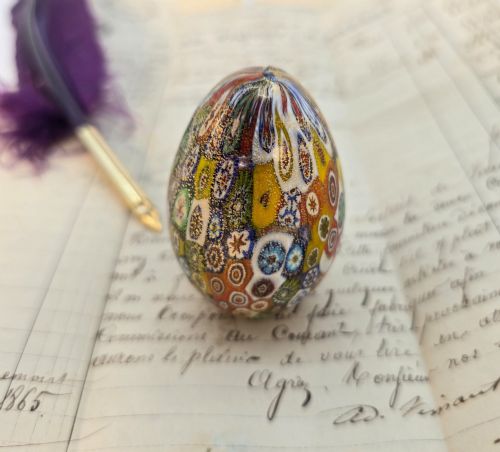
Origins span major European glassmaking centres, with French pressed glass and Italian murano millefiori representing the primary regional aesthetics found in these items.
How They Were Made
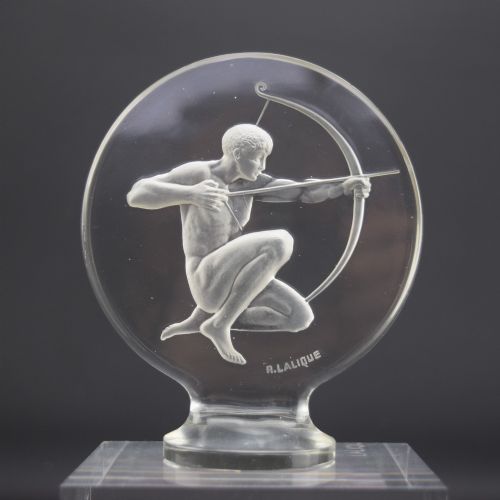
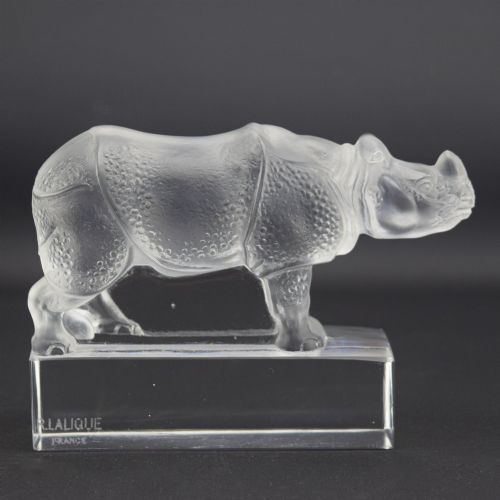
Makers utilised clear glass, crystal, and frosted moulded glass, often employing specialised acid-etching or polishing techniques to achieve contrasting textures between satin surfaces and brilliant clear planes.
Some pieces combine pressed glass bodies with applied sterling silver collars or mountings, uniting heavy glass forms with precious metal working.
Gold aventurine inclusions appear within Italian murano work, suspending metallic sparkles directly inside the molten material during the forming process.
Retail Price Guide 2026
Typical UK retail prices for art deco glass paperweight, calculated from the Sellingantiques database of over a million retail prices indexed since 2003. This retail price guide relies exclusively on Sellingantiques data; no external sources or auction records are used, so the figures do not describe the wider market.
Several sparrows bravely hold down your paperwork.
What Varies in Quality
The choice of medium alters the character of the object, moving from simple amber glass utility pieces to complex multi-layered millefiori or heavy crystal sculptures bearing signatures.
Rene Lalique
The Art Deco Glass Paperweight Glossary
- Frosted Glass
- Glass treated by acid-etching or sandblasting to create a matte, translucent surface that diffuses light. This finish defines the characteristic tactile quality of interwar French desk sculptures.
- Gold Aventurine
- Glass containing suspended copper or gold crystals that glitter when light catches the interior. It requires precise temperature control during cooling to form properly.
- Millefiori
- Glasswork created by bundling coloured canes and slicing them to reveal floral patterns embedded within clear glass. The Italian tradition relies on intricate cross-sections arranged by hand.
- Pin Dish
- A small shallow tray designed to hold small sewing pins or desk items on a writing table. Many share the decorative sculptural motifs of larger paperweights.
Frequently Asked Questions
What is an art deco glass paperweight?
It is a small decorative or functional desk object produced in the 1920s or 1930s featuring characteristic modernist lines. These pieces often take the form of moulded animals or small dishes.
They combine utility with the distinct sculptural aesthetic of the interwar period, using light and texture rather than heavy ornamentation.
How do I care for frosted glass?
Keep frosted glass clean by dusting gently with a soft dry cloth and avoiding harsh chemical cleaners that can damage the matte texture.
Display them away from direct edges where they might be knocked, as heavy crystal and moulded glass chip easily.
Are all these items French?
While French makers predominate in this category through moulded frosted works, Italian glassmakers also contributed distinct murano millefiori pieces from the same era.
Regional differences are visible in the choice of materials and the underlying manufacturing techniques.
How are these pieces dated?
Dating relies on stylistic markers of the 1920s and 1930s, specific maker signatures, and documented production periods for particular animal and figurative designs.
Historical records from workshops help place individual paperweights and pin dishes within their exact decade of manufacture.