


Art Deco Figurine Lamp
An art deco figurine lamp brings both ambient light and sculptural elegance into a room, capturing the distinct aesthetic of the interwar years.
Art Deco Figurine Lamp
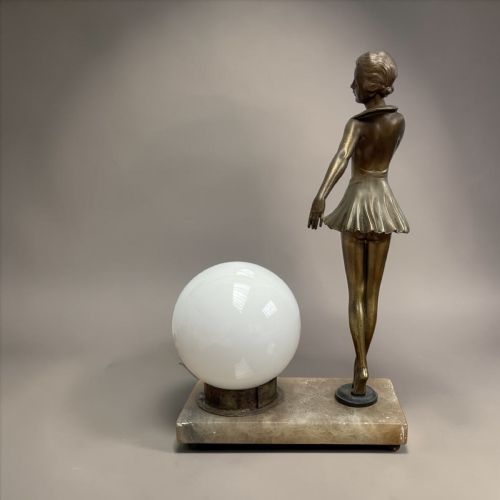
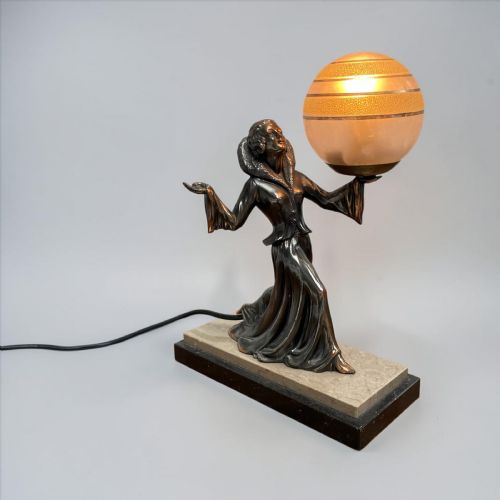
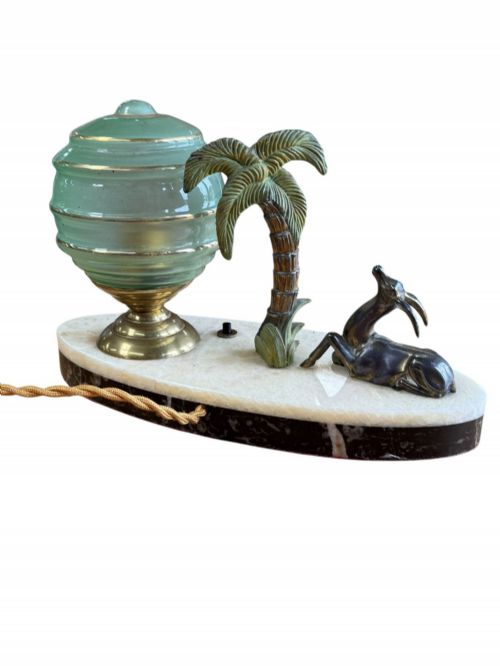
An art deco figurine lamp combines figurative sculpture with functional lighting, frequently depicting ladies, dancers, pierrots, and animals. These pieces emerge predominantly from the nineteen twenties and nineteen thirties, reflecting the stylistic shifts of the period.
The versions most commonly met on this page range from table lamps to small night lights, often referred to as veilleuses. They frequently pair a central figural element with a marble base.
How they were made
Artisans also integrated fabric elements for shades alongside brass fixtures. The construction balances structural support in stone and metal with delicate glass or ceramic figurine work.
A glowing glass snake coiled near a lamp brings a touch of Austrian whimsy straight from the nineteen twenties.
What varies in quality
Quality rests upon the sculptural fidelity of the figure and the integration of materials, such as a cast bronze subject mounted securely to a heavy marble plinth versus lighter spelter alternatives. The nuance in facial expression and detail on porcelain or glass figurines distinguishes finer works.
The sophistication of the design, whether representing a dynamic sports figure or a French neoclassical motif, dictates the visual success of the lamp. Original matching components and patinated metal surfaces further elevate the standard.
Karl Ens·Anton Buschelberger·Baccarat·Bimini
The Art Deco Figurine Lamp Glossary
- Veilleuse
- A French term for a small night light or bedside lamp. These items often cast a gentle glow through a figural ceramic or glass shade.
- Spelter
- A zinc alloy commonly utilised as a substitute for bronze in decorative figures. It accepts patination well to simulate more expensive metals.
- Lampwork
- A glassworking technique where a torch melts glass rods to shape intricate forms. This method creates delicate details like small animals and figures.
- Patinated metal
- Metal treated with chemicals or heat to alter its surface colour and finish. This process highlights the sculptural contours of the piece.
Art Deco Figurine Lamp: Frequently Asked Questions
Where should I place an art deco figurine lamp?
These lamps suit low sideboards, dressing tables, or bedside surfaces where their sculptural detail remains visible. They provide subtle accent lighting rather than bright illumination.
Position them away from high-traffic areas to protect delicate glass and porcelain components from accidental knocks.
How do I identify a nineteen thirties lamp?
Look for characteristic materials like heavy marble bases paired with bronze, spelter, or frosted glass figures. The distinct streamlining and geometric or figurative motifs point directly to the interwar period.
Examining the construction of the lamp holder and wiring often provides further clues regarding the era of manufacture.
What is a veilleuse lamp?
A veilleuse is a small night light designed to burn low or cast gentle light through the night. They frequently feature figural subjects such as pierrots or animals.
These compact pieces often combine ceramic or glass shades with sturdy marble or metal plinths.
How do bronze and spelter differ?
Bronze is a durable copper alloy that patinates richly over time and supports fine detail. Spelter is a softer, lighter zinc-based metal that was frequently used for more affordable decorative figures.
Weight and surface resonance often help distinguish the two materials in figural bases.