





Art Deco Fashion Art
Art deco fashion art brings the striking aesthetics of the early twentieth century into your home through period prints, paintings, and sculptures.
Art Deco Fashion Art
When you search for art deco fashion art, you are looking at visual representations of style, elegance, and costume spanning the early decades of the twentieth century. These pieces capture the distinctive sartorial flair of the era through various artistic mediums.
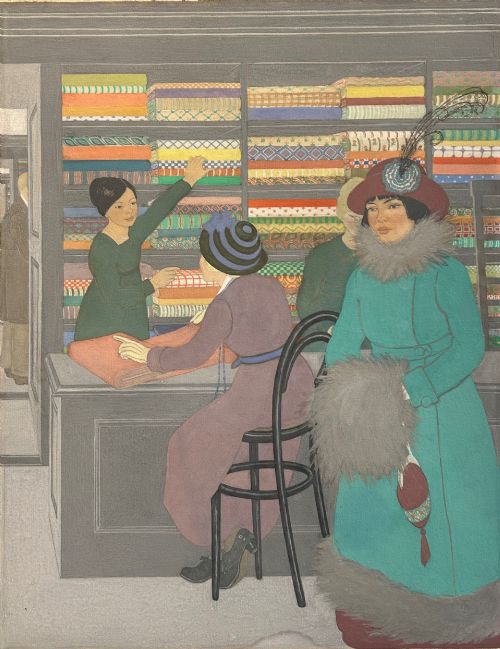
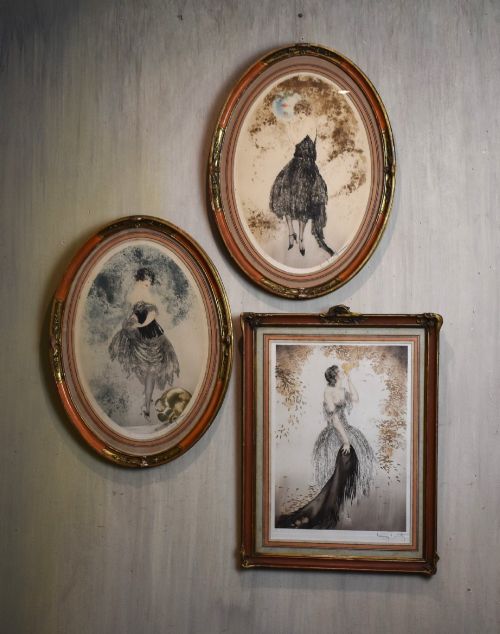
You are most likely to encounter framed prints and paintings capturing elegant figures and scenes from the nineteen-twenties and nineteen-thirties. These depictions reflect the prevailing aesthetics of periods such as the belle epoque and the art deco movement itself.
Materials and techniques
Artists and makers of these pieces utilised traditional mediums such as oil paint, watercolour, and ink on paper and canvas. These materials allowed for precise illustration of period costume and fine detail.
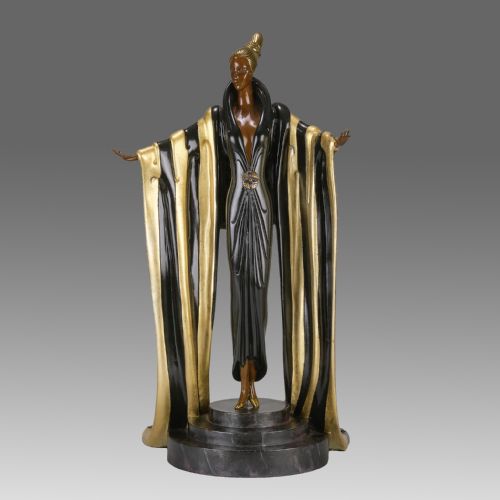
Framed works often incorporate wood frames to present and protect paper works, lithographs, and prints. Three-dimensional pieces employ materials such as glass, ceramics, and cold-painted bronze with gilt highlights.
Novelty items from the period also utilise celluloid, combining practical ornament creation with the characteristic visual language of nineteen-thirty design.
Art Deco Fashion Art Retail Price Guide 2026
Typical asking prices for art deco fashion art among the pieces listed under this phrase on Sellingantiques today, from the lower quarter to the upper quarter. They describe what is for sale here now, not the wider market.
Listings feature works spanning the nineteenth century through to the nineteen-forties, using paper, wood, glass, and oil paint.
Distinctions in quality
Quality in these pieces rests upon the surety of the draughtsmanship and the strength of the composition. Original works executed directly in oil or watercolour demonstrate an artist's immediate hand compared to mass-produced printing methods.
The fidelity of period representation and the handling of materials dictate the standing of a piece. Finer sculptures and ceramics show crisp moulding and careful hand-painting that define the best workshop output of the era.
Louis Icart·Georges Goursat Sem·Jean Hardy·Albert Guillaume·Erté·Leo Klin
The Art Deco Fashion Art Glossary
- Lithograph
- A print made from a planographic process in which an image is drawn onto stone or metal. This technique allows for faithful reproduction of original illustrations.
- Gilt
- A thin layer of gold applied to the surface of wood, metal, or other materials. It provides a reflective decorative accent common in period frames and sculptures.
- Belle Epoque
- A period of French and European history spanning the late nineteenth century to the start of the First World War. The style is characterised by optimism, fashion, and cultural innovation.
- Cold-painted bronze
- A sculpture technique where bronze figures are painted with cold-setting paint rather than fired in a kiln. This method was widely used for decorative figurines during the early twentieth century.
Art Deco Fashion Art: Frequently Asked Questions
What is art deco fashion art?
Art deco fashion art encompasses visual works from the early twentieth century that depict clothing, style, and elegant figures. These pieces include original paintings, period advertisements, lithographs, and sculptures.
They reflect the sophisticated aesthetic values and sartorial shifts of the nineteen-twenties and nineteen-thirties.
How were these pieces used originally?
Many of these works served as commercial illustrations for department stores, fashion houses, and publications of the era. Others were created as standalone fine art or decorative objects for fashionable interiors.
Smaller items like brooches functioned as personal adornments reflecting contemporary taste.
How do I style art deco pieces?
These works suit both dedicated period interiors and contemporary spaces seeking a focal point of twentieth-century elegance. Framing paper works properly protects them while enhancing their visual impact on a wall.
Three-dimensional items and ceramics sit well on mantelpieces, sideboards, or dedicated display cabinets.
How do I identify the period?
Dating relies on stylistic cues in clothing, hair, and typography, alongside artist signatures and medium specifics. Pieces often correspond to the nineteen-twenties and nineteen-thirties, marked by distinct geometric and stylised forms.
Reference materials and signatures help connect works to specific decades and creators.