


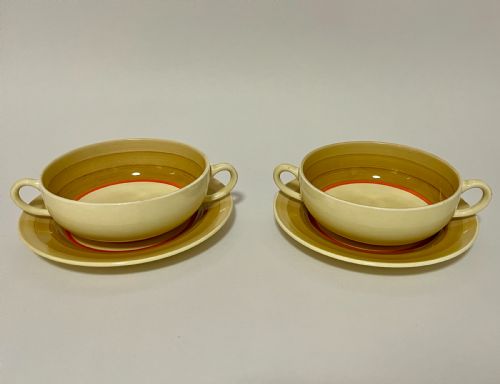


Art Deco Earthenware
Art deco earthenware brings striking geometric motifs and vibrant painted glazes into domestic spaces through enduring twentieth-century ceramic forms.
Art Deco Earthenware
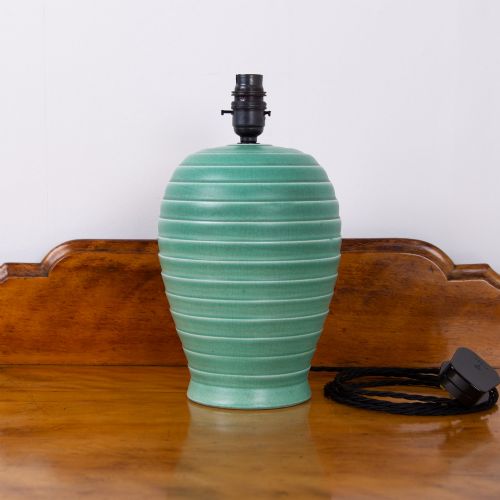
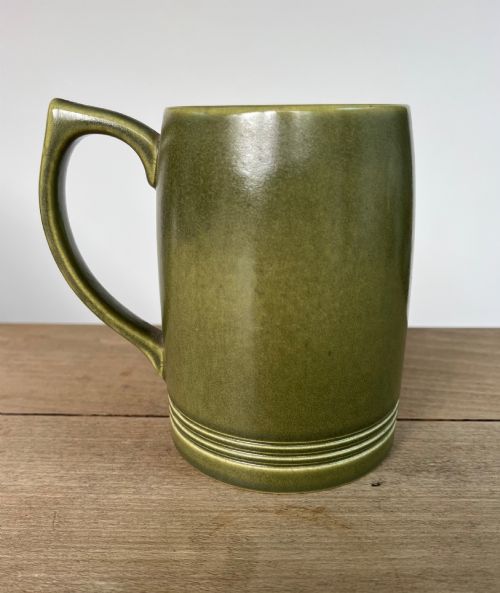
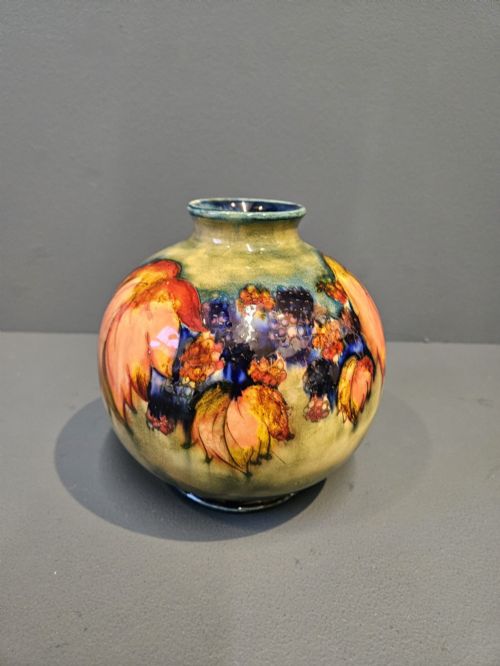
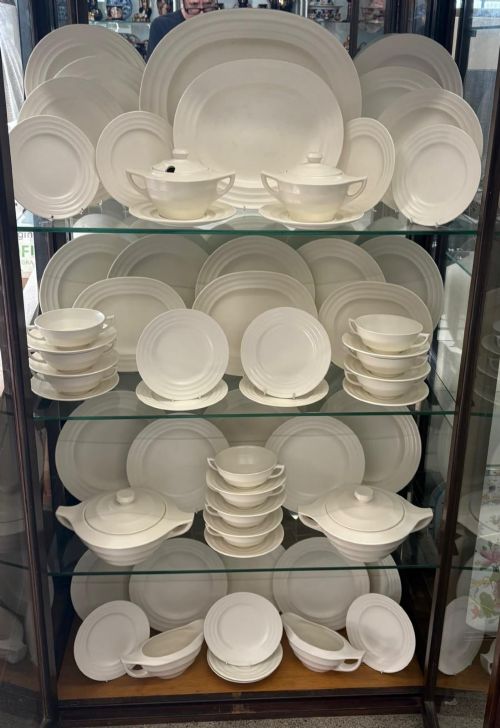
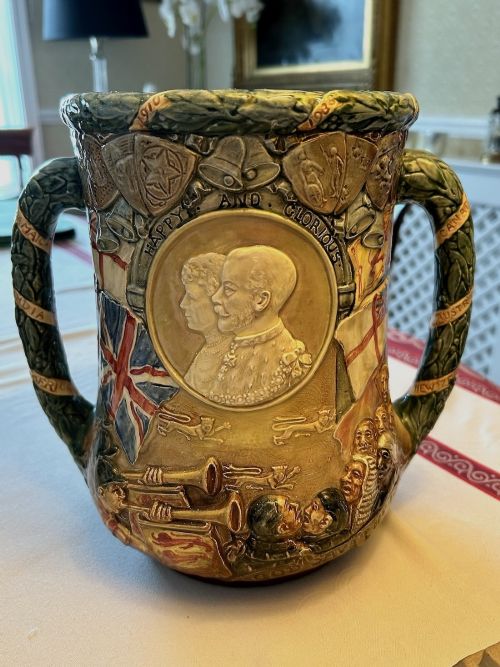
Art deco earthenware encompasses vibrant domestic ceramics produced primarily during the 1920s and 1930s, featuring bold surface decoration and distinctive modernist forms. The selection focuses heavily on vases, tableware sets, and decorative bowls reflecting the aesthetic currents of the period.
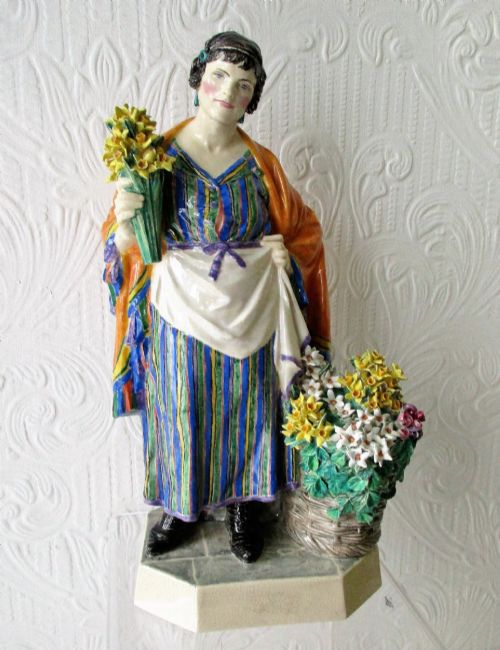
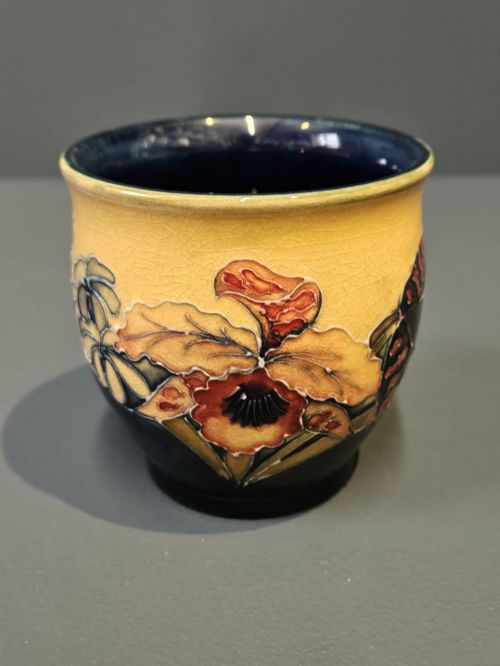
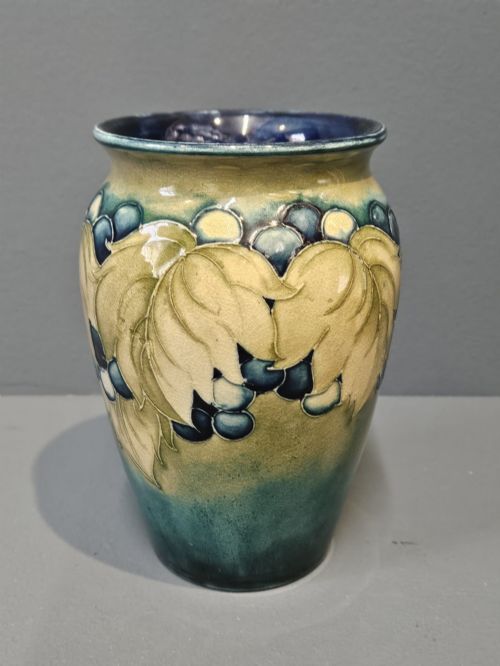
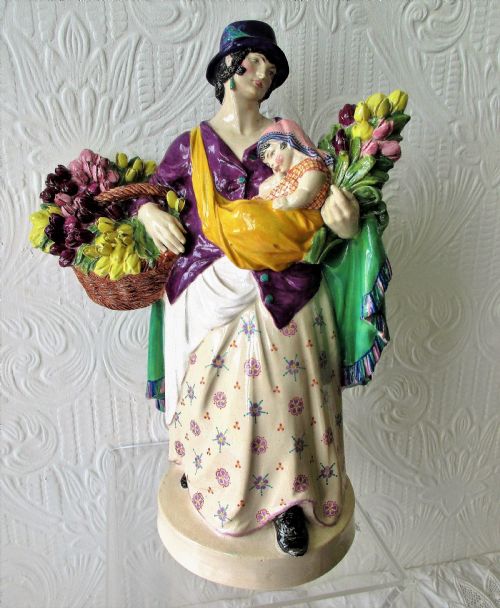
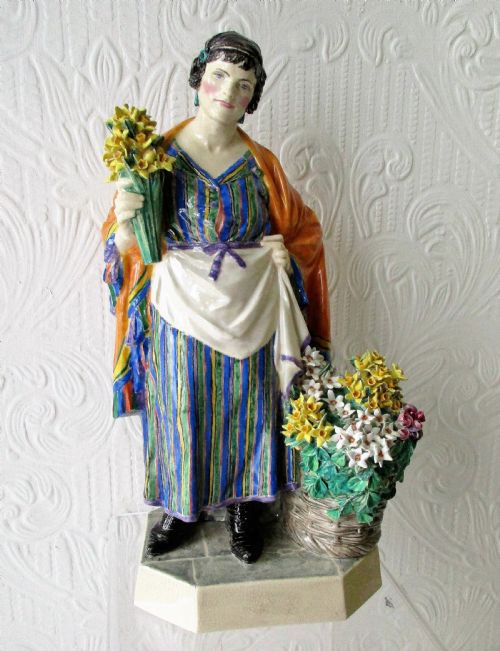
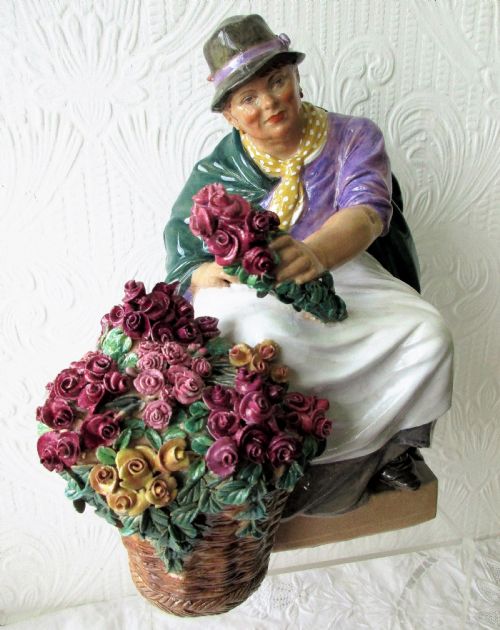
Makers working within this idiom utilised earthenware bodies as canvases for hand-painted patterns, ranging from stylised floral motifs to complex geometric arrangements. Pieces span from English studio pottery figurines to large French decorative chargers and domestic tea sets.
The objects bridge functional utility and artistic expression, appearing in forms such as coffee sets, bookends, and powder boxes. Domestic items from this category demonstrate how modernist design permeated everyday household objects across Britain and Europe.
Materials and technique
Potters shaped local clays into earthenware bodies before applying specialised enamel and glaze coatings to achieve the characteristic glossy or lustrous surface finishes. Many workshops employed tubelined decoration, laying down raised clay lines to contain pools of bright pigment.
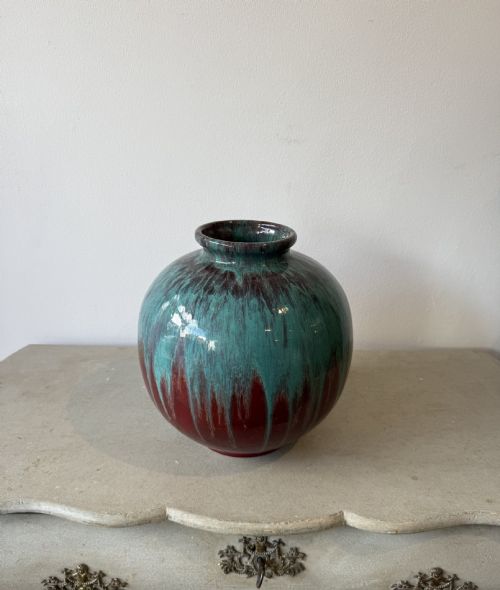
Surface ornamentation relied on hand-painted pigments, frequently enhanced with rich colour palettes spanning deep blues, yellows, and oranges. High-fired techniques and specialised lustre applications created shimmering metallic effects across chargers and vases.
Art Deco Earthenware Retail Price Guide 2026
Typical asking prices for art deco earthenware among the pieces listed under this phrase on Sellingantiques today, from the lower quarter to the upper quarter. They describe what is for sale here now, not the wider market.
Ceramic pheasants and bookends served as watchful companions on mantelpieces, keeping idle novels from tumbling into the hearth.
Evaluating quality and execution
Quality rests in the crispness of the hand-painted design and the deliberate control of glaze application across complex ceramic surfaces. Pieces with precise execution show steady brushwork and clean separation of colours within geometric or floral layouts.
The reputation of the studio or designer heavily influences the standing of individual works, alongside the complexity of the specific pattern utilised. Greater artistic ambition manifests in sculptural forms and elaborate multi-fired glaze effects that require advanced technical skill.
Charles Vyse·Clarice Cliff·Charlotte Rhead·Keith Murray·Gio Ponti·Moorcroft·Maling
The Art Deco Earthenware Glossary
- Earthenware
- Porous pottery fired at lower temperatures than stoneware or porcelain, requiring a glazed surface to hold liquids. It forms the structural body for the majority of painted modernist ceramics.
- Tubelined
- A decorative technique where liquid clay is squeezed through a nozzle onto a pottery body to form raised outlines around painted design areas. This method creates defined cell boundaries for enamel glazes.
- Bizarre
- A distinctive trade name used by Clarice Cliff for her brightly coloured, avant-garde painted ranges produced during the interwar period. These lines feature bold geometric and abstract motifs.
- Charger
- A large decorative plate intended for display rather than dining service. They often serve as primary canvases for elaborate painted patterns and lustre finishes.
- Lustre
- A type of pottery glaze containing metallic oxides that produce an iridescent sheen when fired in a reduced oxygen atmosphere. This finish creates reflective, rainbow-like surface effects.
Art Deco Earthenware: Frequently Asked Questions
How do I clean antique earthenware safely?
Dust pieces gently with a dry, soft cloth and avoid immersion in water, which can penetrate porous earthenware bodies through micro-cracks in the glaze.
Harsh chemical detergents strip delicate enamel colours, so professional conservation cleaning is recommended for heavily soiled or fragile items.
Were these objects meant for daily use?
Many items like tea sets and bowls saw active domestic service, while chargers and figurines served strictly decorative purposes in interwar homes.
Coffee sets and tableware bear handling marks that reflect their original practical function within period households.
How do I distinguish studio pottery from factory output?
Studio pieces often bear individual artist signatures or monograms alongside hand-thrown irregularities, reflecting independent studio production.
Large potteries typically apply stamped factory marks, pattern names, and registration numbers that indicate mass-commercial manufacturing processes.
What defines the palette of this period?
Colour schemes rely heavily on high-contrast combinations, including vibrant yellows, cobalt blues, and rich autumnal oranges.
Designers utilised these saturated pigments to accentuate the modern geometric shapes characteristic of interwar decorative arts.