
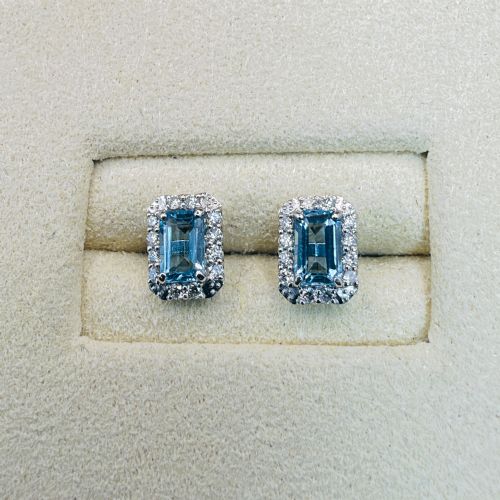
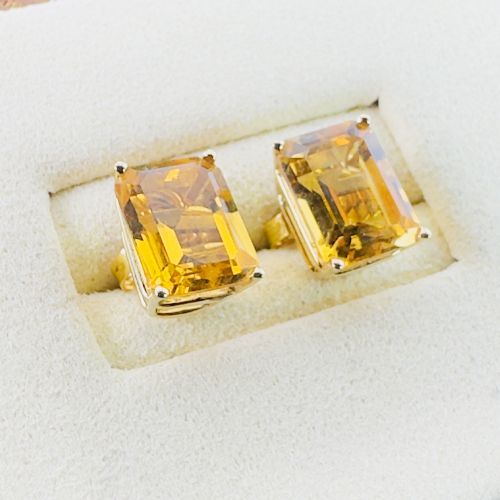
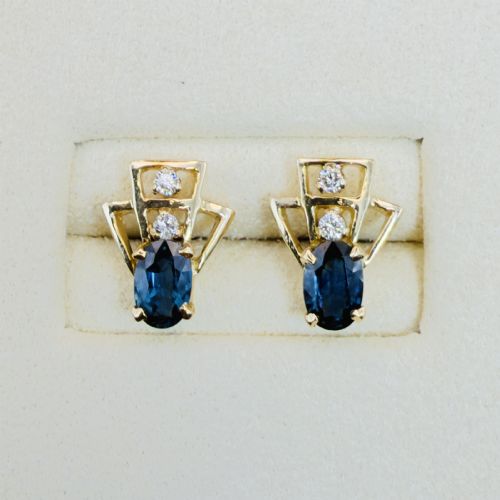
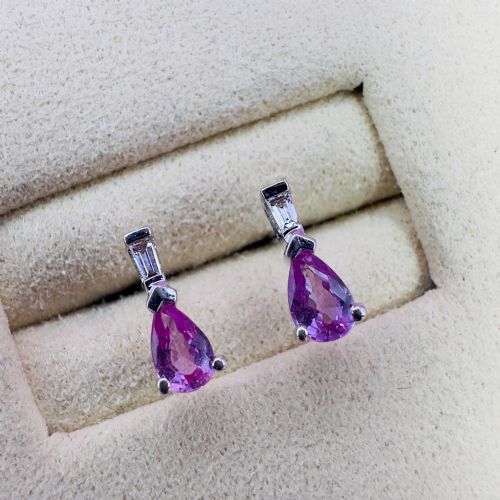
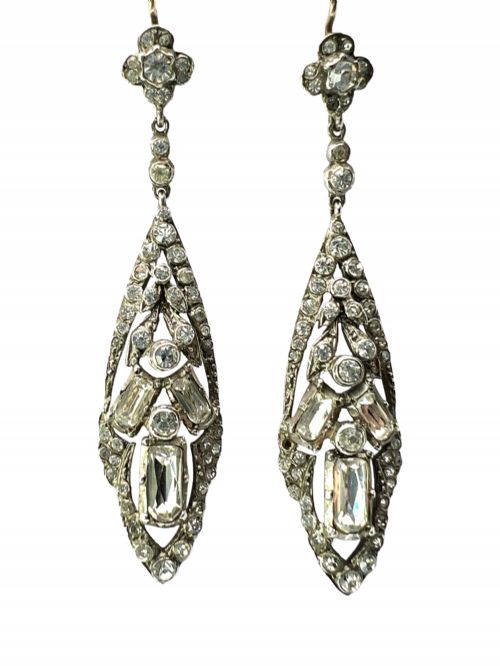

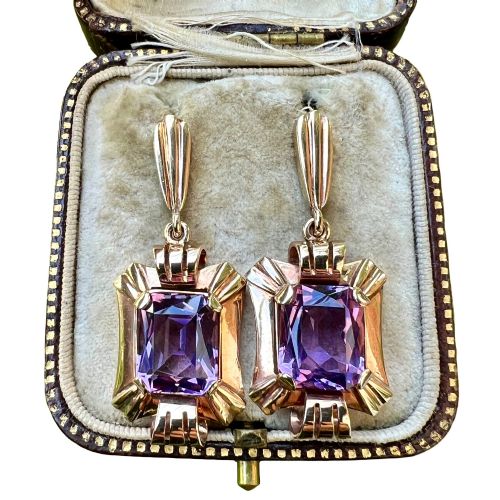

Art Deco Earrings
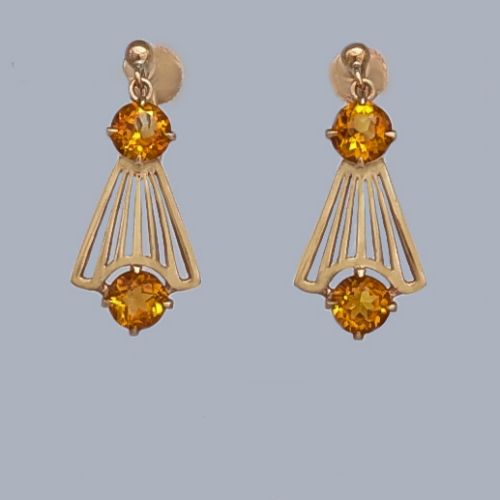
Art deco earrings capture the geometric precision and bold colour contrasts of the 1920s and 1930s, offering a wearable piece of architectural design.
Art Deco Earrings
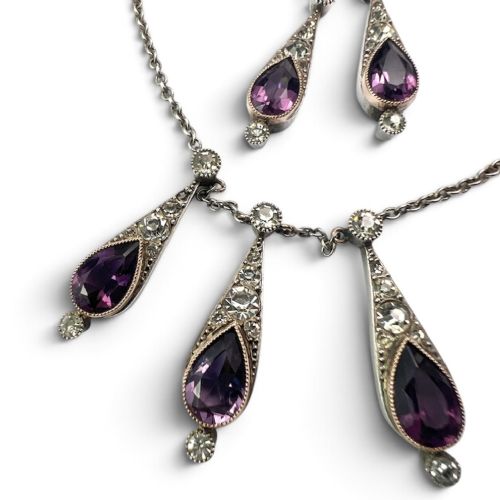
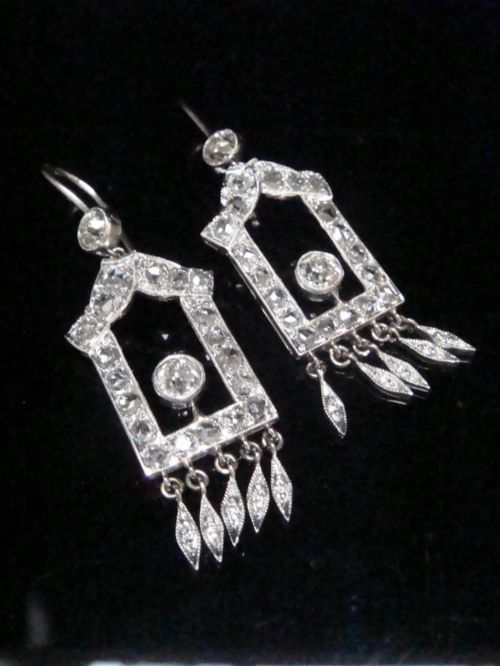
Art deco earrings comprise drop designs, studs, chandeliers, and screwbacks created primarily during the 1920s and 1930s, alongside later revivals from the mid-century period. Buyers seeking these items encounter configurations ranging from simple gemstone studs to elaborate diamond and platinum fringe drops.
The aesthetic prioritises symmetry, clean lines, and stylised motifs typical of the interwar period. Surviving examples demonstrate both fine high-jewellery commissions and accessible silver or paste alternatives intended for daily wear.
Materials and Techniques
Master jewellers of the period combined platinum and 18ct white or yellow gold to provide robust yet delicate settings for diamonds, sapphires, emeralds, and jade. Techniques such as millgraining and bezel setting secure the stones while adding subtle textural borders to geometric motifs.
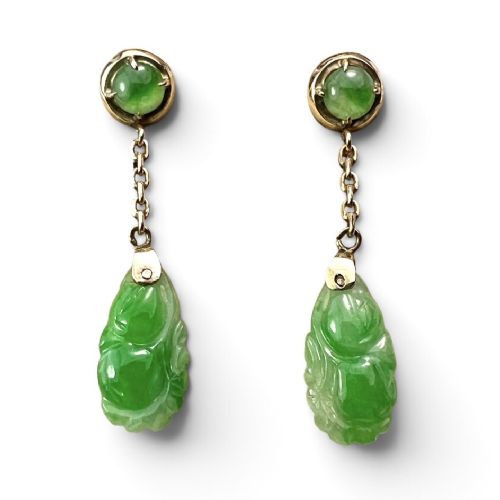
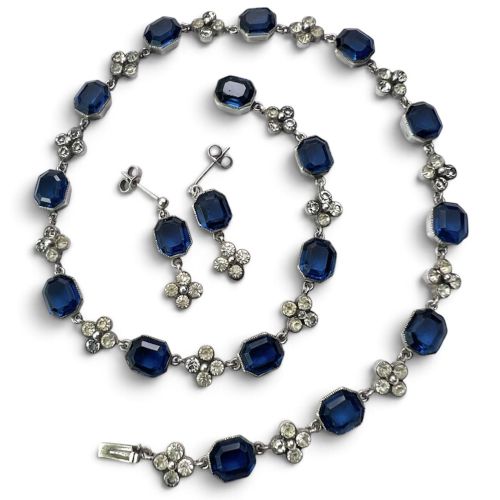
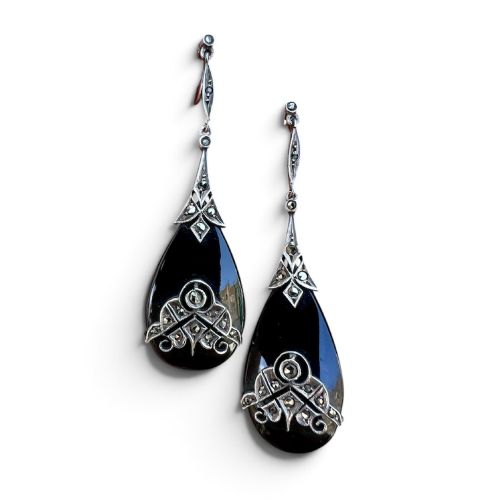
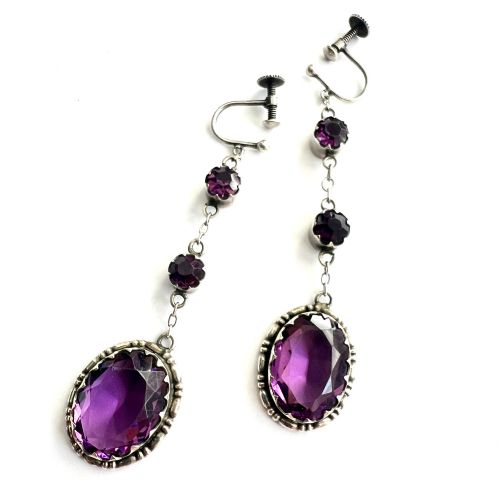
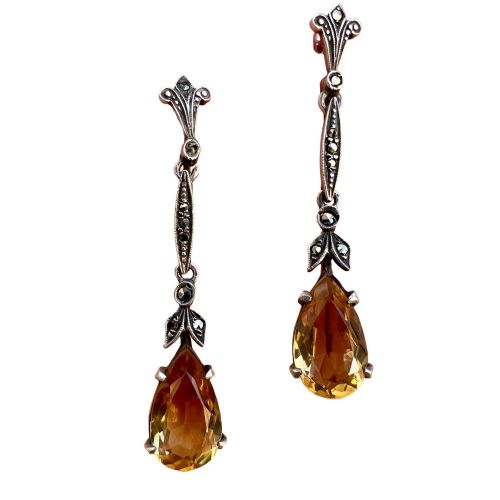
Costume and accessible variants utilise sterling silver, silver gilt, and marcasite alongside paste glass, synthetic stones, and carved jadeite. Screwback and clip-on mechanisms accommodated non-pierced ears, reflecting the practical engineering common in interwar jewellery production.
The inventory records drop earrings, clusters, and chandeliers spanning the Edwardian era through the mid-century revival.
Assessing Quality
Quality in art deco earrings rests upon the precision of the metalwork, the symmetry of the geometric layout, and the selection of materials. Superior examples display crisp architectural lines, secure stone setting without excess claw work, and harmonious colour matching in gems like jade, onyx, and sapphire.
Higher tiers incorporate platinum frames set with old-cut or baguette diamonds alongside natural pearls or certified coloured gemstones. Conversely, standard grades rely on sterling silver paired with paste glass or marcasite, where value depends entirely on the crispness of the moulding and preservation of the metal plating.
The Art Deco Earrings Glossary
- Paste
- Hand-cut glass used as a substitute for gemstones, valued for its clarity and period-specific brilliance. It was frequently utilised in high-end silver settings during the 1920s.
- Marcasite
- Small faceted pyrite stones polished and set closely together into silver to create a sparkling, metallic border. This technique provided a dark, glittering contrast to bright gemstones.
- Old-cut diamond
- A predecessor to the modern brilliant cut, characterised by a smaller table, higher crown, and open culet. These stones exhibit a softer, candlelit sparkle under artificial illumination.
- Screwback
- An earring finding featuring a threaded post and a small nut rotated to tighten against the lobe. This mechanism allowed unpierced ears to wear heavy drop and chandelier designs securely.
Art Deco Earrings: Frequently Asked Questions
How do I identify authentic art deco earrings?
Authentic pieces exhibit the characteristic geometric motifs, symmetry, and construction methods of the 1920s and 1930s, such as platinum settings and millgrained edges. Examining the reverse of the piece often reveals hand-pierced openwork characteristic of the era.
Markings on the metal, including specific gold carats or platinum stamps, help confirm the period alongside the style of any screwback or post findings.
Were all art deco earrings made for pierced ears?
Many surviving examples feature screwback or clip-on mechanisms designed for non-pierced lobes, which were standard fashion preference during the interwar decades. Jewellers frequently adapted heavier drop and chandelier styles with screw fittings for secure wear.
Converted findings or original posts appear side by side in the inventory, reflecting individual buyer requirements of the period.
What is the difference between platinum and white gold in these earrings?
Platinum offered the necessary strength for ultra-fine geometric settings and delicate milgrain work without bending. White gold emerged as a more accessible alternative that provided a similar silvery colour palette for mounting diamonds and coloured stones.
Both metals appear frequently across the archive, with platinum generally reserved for higher-tier diamond and gemstone clusters.
Can I wear antique paste and marcasite earrings daily?
Silver and paste or marcasite pieces require gentle care due to the softer nature of glass and the glued or set stones. Avoiding immersion in water and harsh chemicals preserves the foil backing of paste and prevents marcasite stones from loosening.
Storing them individually protects the delicate metalwork and prevents surface scratching on softer gemstones like jade or amber.