





Art Deco Drinks Cart
An art deco drinks cart brings practical surface space and distinct period character to entertaining.
Art Deco Drinks Cart
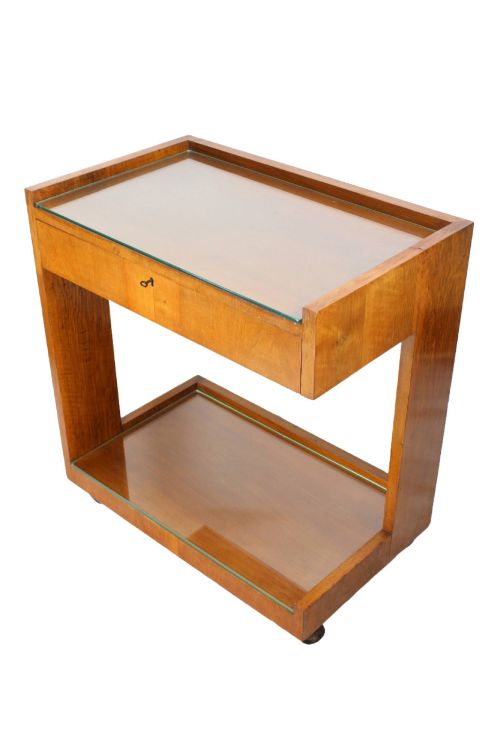
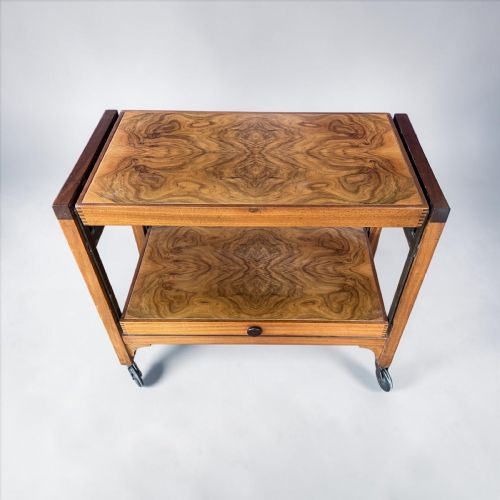
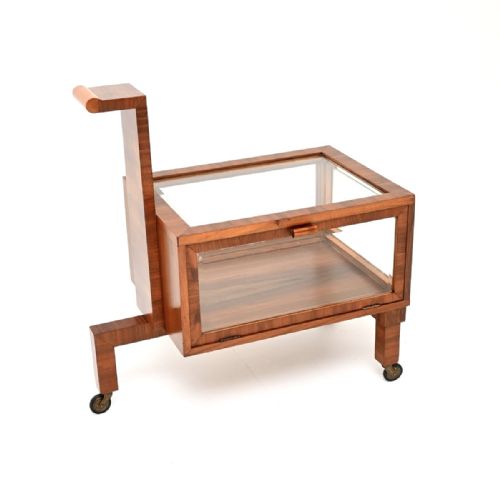
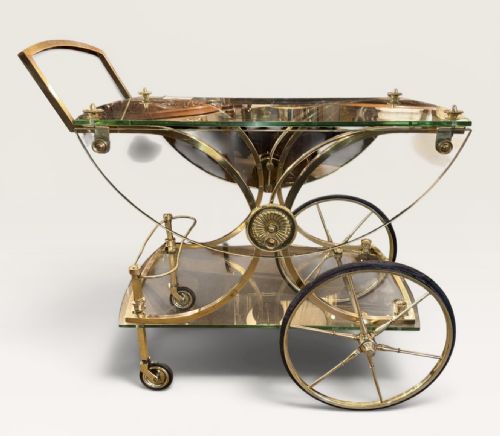
An art deco drinks cart is a mobile serving piece designed for hosting, appearing primarily in formats such as two-tier trolleys, circular bar carts, and metamorphic serving tables. Most examples originate from the 1920s, 1930s, and 1940s, reflecting the streamlined and geometric priorities of the period.
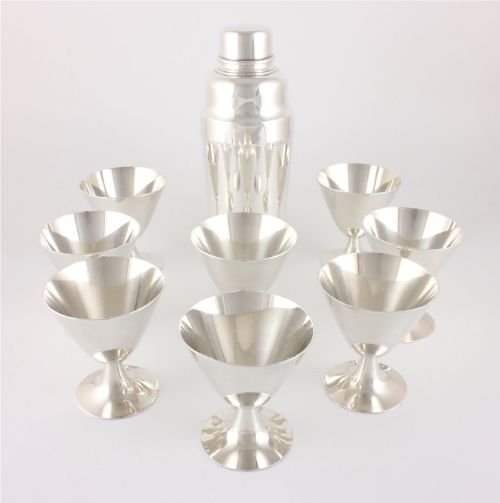
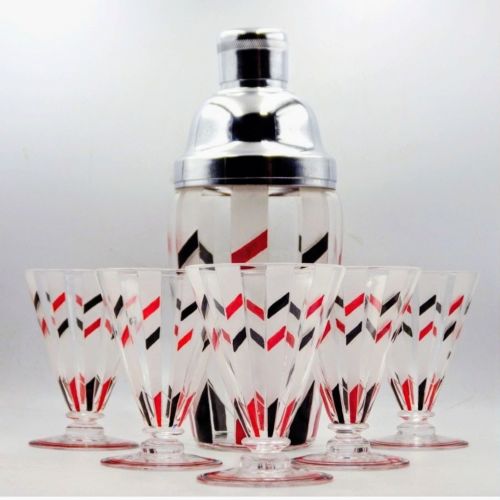
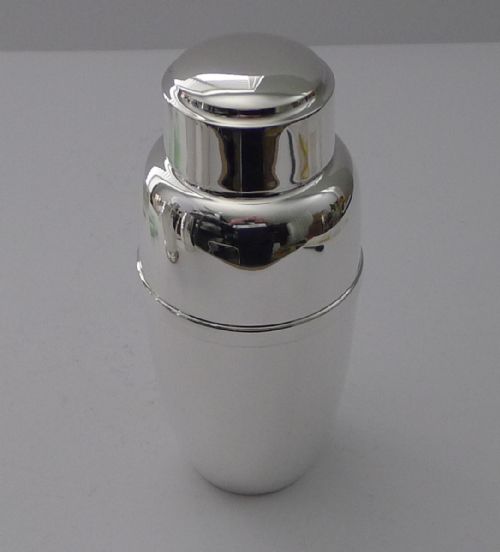
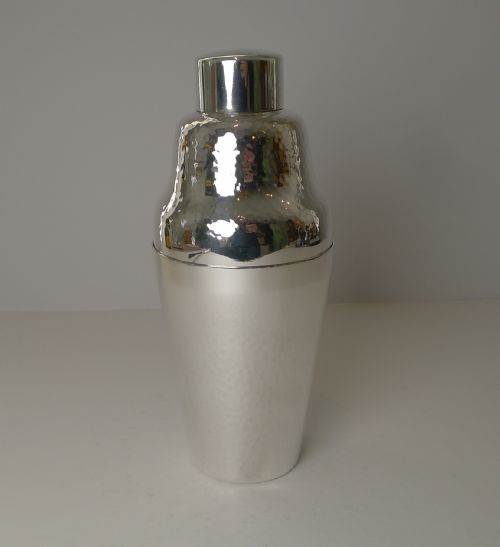
The selection ranges from English walnut models to French designs incorporating specialised wood veneers and metal elements. Alongside the primary trolleys, the category encompasses related barware such as silver-plated cocktail shakers, trays, and display carts.
Buyers encounter traditional wooden tea trolleys alongside modernist chrome and glass constructions. These pieces function equally well as mobile cocktail stations or static side tables in modern interiors.
Materials and construction
Cabinetmakers utilised rich timber veneers including walnut, burr amboyna, and mahogany to build the structural frames and tiers of wooden trolleys. These warm wooden surfaces often contrasted with metal mounts, handles, and gallery rails.
Modernist pieces rely heavily on chromium-plated metal frames paired with clear, black, or mirror glass shelves. Silver plate dominates the associated barware, seen on cocktail shakers and serving trays manufactured by specialist silversmiths.
Art Deco Drinks Cart Retail Price Guide 2026
Typical asking prices for art deco drinks cart among the pieces listed under this phrase on Sellingantiques today, from the lower quarter to the upper quarter. They describe what is for sale here now, not the wider market.
Some vintage barware trays feature novelty depictions of Charlie Chaplin, adding a touch of silent-film era humour to cocktail hour.
Judging the range
Quality reveals itself in the choice of wood veneers, such as figured walnut or burr amboyna, and the precision of the joinery on circular or tiered frames. The weight and finish of the metalwork, whether solid brass, plated mounts, or heavy chrome, dictate the refinement of the piece.
Makers known for silver-plated barware and specialised metal frames bring an added layer of distinction through engraved detailing, integral mechanisms, and marked maker stamps. The integration of specialty glass, such as cobalt blue mirror panels, elevates the standard of the design.
Maison Bagues·J. B. Chatterley & Sons·James Dixon & Sons·C S Green & Co.·Asprey·Gaskell & Chambers·Carl Deffner
The Art Deco Drinks Cart Glossary
- Metamorphic
- Describing furniture designed to transform or change shape for alternative functions. These pieces alter configuration to provide expanded surface area when serving drinks.
- Chromium plating
- An electrolytic coating applied to metal bases to provide a bright, corrosion-resistant finish. This technique defines the shiny, industrial aesthetic of modernist 1930s furniture.
- Burr amboyna
- A highly decorative wood burl prized for its intricate grain patterns and warm hue. Furniture makers utilised this timber on luxury French serving carts of the period.
- Silver plate
- A thin layer of silver bonded to a base metal such as copper or nickel silver. This method allowed makers to produce durable cocktail shakers and trays with the appearance of solid silver.
- Gallery rail
- A raised edge or metal border fitted around the perimeter of a trolley shelf. This feature prevented bottles and glassware from sliding off during transport.
Art Deco Drinks Cart: Frequently Asked Questions
How do I maintain the wood and metal surfaces?
Clean wooden surfaces with a soft cloth and feed the veneer periodically with appropriate wax to preserve the grain. Wipe chrome and silver plate with a dry microfiber cloth to prevent tarnish and moisture accumulation.
Avoid placing wet glasses directly on unsealed wood for extended periods. Use coasters on serving tiers to protect vintage finishes from rings and water damage.
Were these trolleys used only for drinks?
While designed primarily for serving cocktails and spirits, many examples functioned as general tea trolleys or mobile display cases. The inclusion of multiple tiers and gallery rails accommodated bottles, glassware, and mixing equipment.
Today, owners utilise them as dedicated home bars, bedside storage, or mobile plant stands. Their mobility makes them adaptable for various rooms beyond the dining space.
How do I distinguish 1920s pieces from 1930s designs?
Pieces from the 1920s frequently exhibit traditional French styling, heavier wood construction, and decorative gilded details. Walnut and mahogany remain prominent during this decade.
By contrast, 1930s designs embrace streamlined modernist principles through the heavy use of chromium plating, black glass, and geometric circular forms. French mid-century influences also emerge in this later window.
Are these carts sturdy enough for everyday use?
Most trolleys feature robust wooden frames or solid metal structures built to support the weight of heavy glassware and bottles. The inclusion of original wheels or castors allows them to glide across interior flooring.
However, delicate mirrored glass shelves and vintage silver plate require careful handling. Regular inspection of wheel fixings ensures smooth movement during entertaining.