
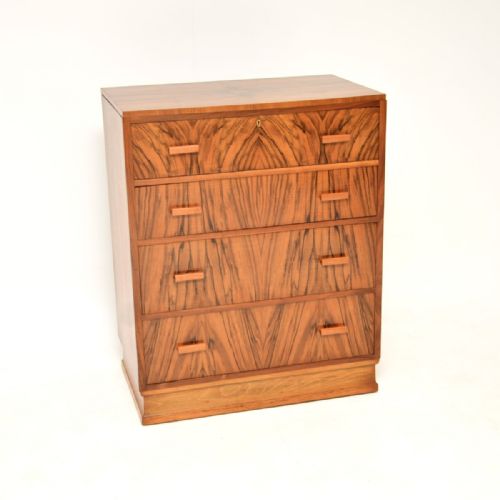


Art Deco Dresser Cabinet
These art deco dresser cabinet pieces bring bold geometric lines and striking wood veneers straight into your bedroom or living space.
Art Deco Dresser Cabinet
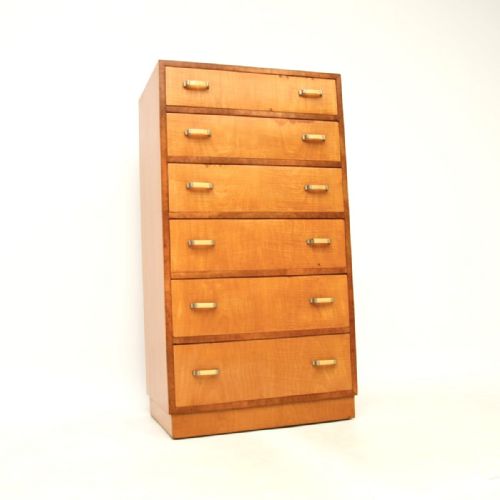
When you search for an art deco dresser cabinet, you encounter tallboys, chests of drawers, and sideboards built primarily during the 1920 and 1930 periods. These items serve practical storage needs while bringing distinct period character into a room through strong vertical and horizontal forms.
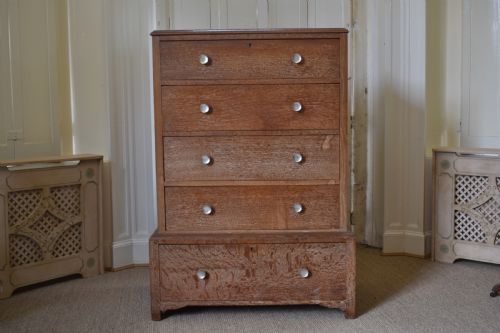
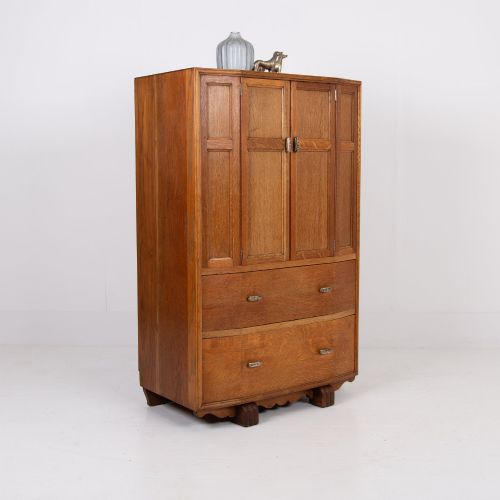
The pieces on this page span French Art Deco, English designs, and industrial styles, alongside Edwardian examples. You are most likely to meet walnut and oak constructions, often arranged as tall chests or multi-drawer cabinets.
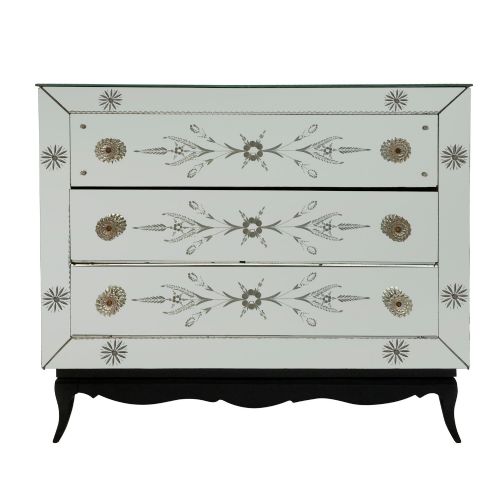
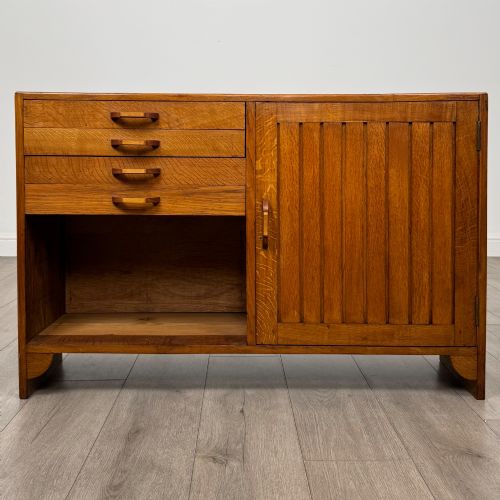
Makers such as Heal's and the Bowman Brothers appear alongside French mirrored variants and marble-topped buffet cabinets. Each form uses its specific layout of drawers and cupboards to balance utility with the stylistic flair of the era.
What varies in quality
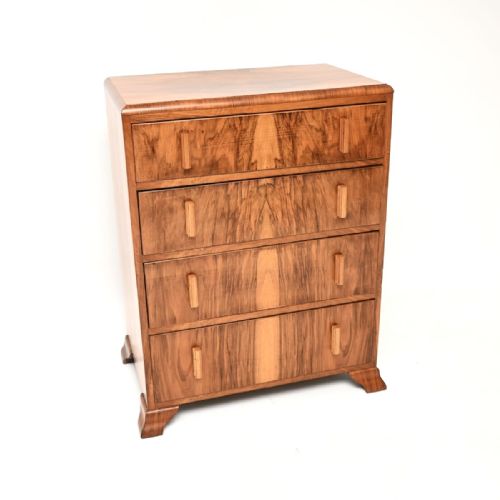
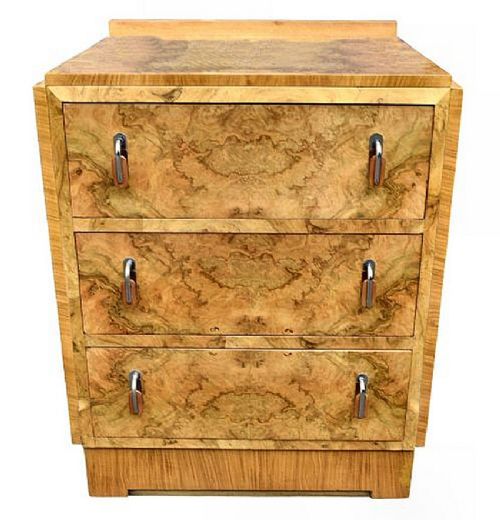
The choice of surface timber creates the primary distinction between standard examples and exceptional ones. Figured walnut, burr walnut, and bleached blonde walnut display striking natural grain patterns that elevate the visual weight of the piece.
Construction details such as the integration of specialised materials like marble tops, mirrored sections, or branded maker attribution from firms like Heal's or the Bowman Brothers set certain items apart within the range.
Listings feature walnut, oak, and metal materials alongside periods spanning the 1920s, 1930s, and the Edwardian era.
Heals of London·Heal's·the Bowman Brothers
The Art Deco Dresser Cabinet Glossary
- Burr walnut
- A wood veneer taken from the warted growths on walnut trees, yielding highly swirled and mottled grain patterns. It forms decorative focal points on drawer fronts.
- Tallboy
- A tall piece of furniture combining a chest of drawers with an upper cupboard section. It offers significant vertical storage capacity.
- Limed oak
- Timber treated with a specialised finish that leaves a white pigment in the open pores of the grain. This technique lightens the overall tone of the wood.
- Breakfront
- A piece of furniture whose central section projects forward from the flanking wings. It creates depth and architectural interest on sideboards and cabinets.
- Bakelite
- An early synthetic plastic used for decorative handles and trim on mid-century and art deco items. It provides a smooth, durable finish.
Art Deco Dresser Cabinet: Frequently Asked Questions
What materials are used?
These cabinets utilise solid oak and walnut timbers combined with burr walnut, satinwood, and walnut veneers across the main bodies. Metal accents in chrome, brass, aluminium, and bakelite appear alongside lead glass and marble.
Different finishes such as limed oak and bleached blonde walnut further define the surface appearance of individual pieces.
How do I identify periods?
The 1920 and 1930 periods bring distinct geometric lines, figured veneers, and modernist hardware to these storage items. Edwardian examples tend to show lighter golden oak tones and more traditional cabinetry proportions.
French pieces frequently incorporate mirrored surfaces or marble tops, while English variants often focus on figured walnut drawer configurations.
Where should I place one?
Tallboys and multi-drawer chests fit well in bedrooms as primary clothing storage units while providing a strong visual anchor. Sideboards and credenzas suit living rooms or dining spaces for general storage and surface display.
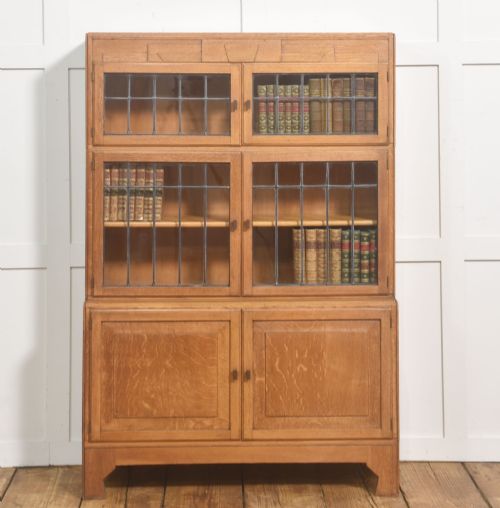
Bookcases with lead glass doors function effectively in studies or libraries for keeping books and display items organised.
Are signed makers common?
Specific maker attributions appear on select items linked to prominent firms like Heal's and the Bowman Brothers. Many other pieces reflect the general output of English and French workshops from the interwar years.
Construction style, material choice, and distinctive hardware often provide the primary clues to a piece's origin.