
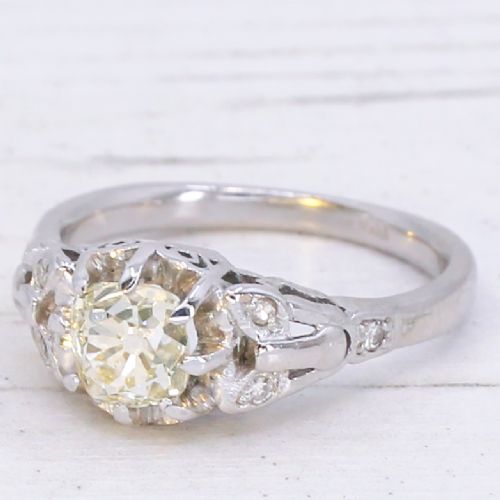
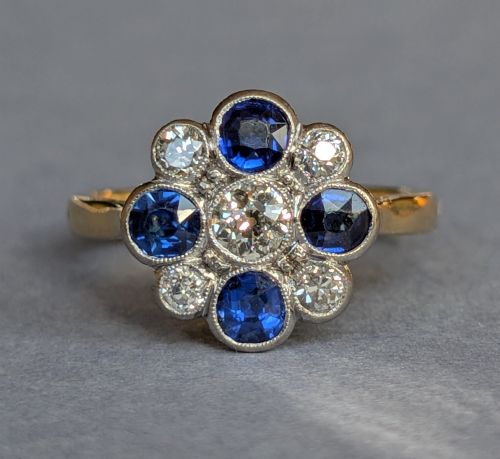
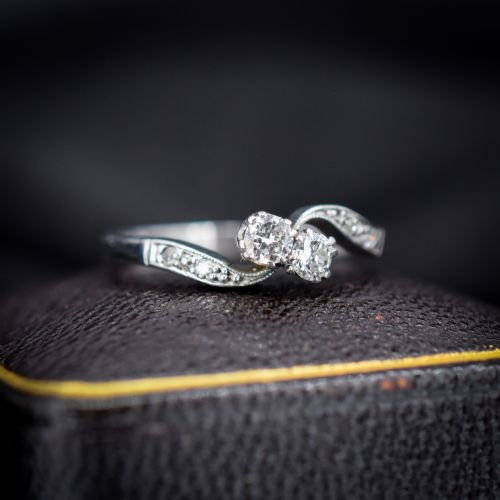
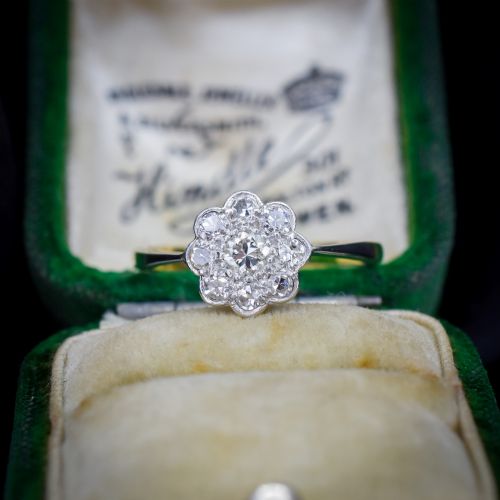

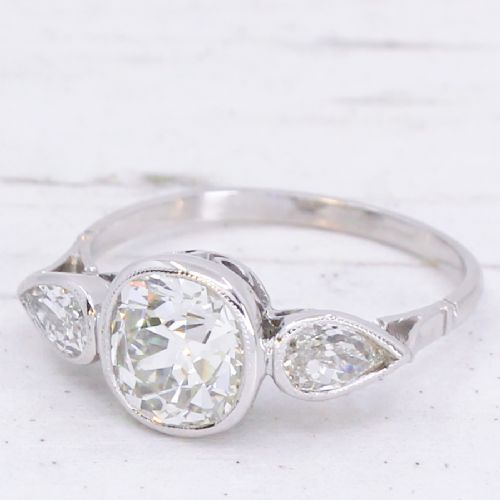
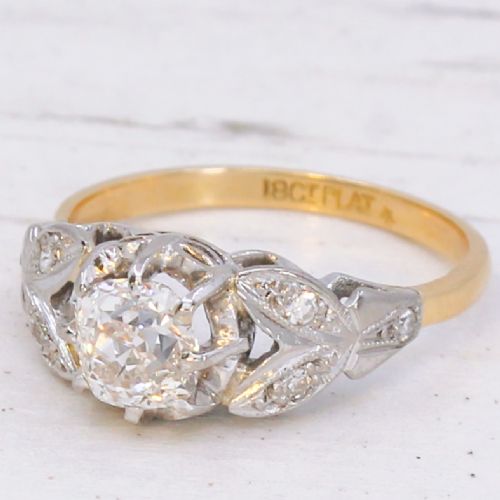
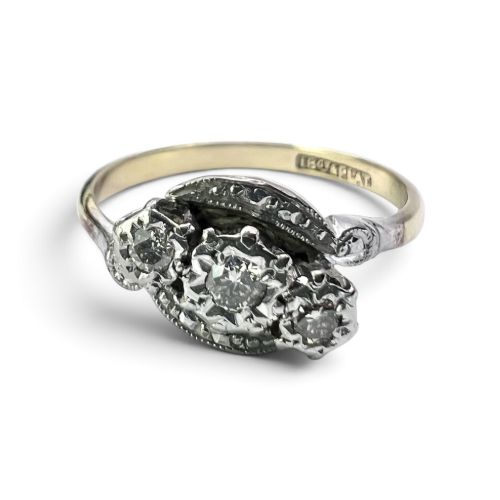
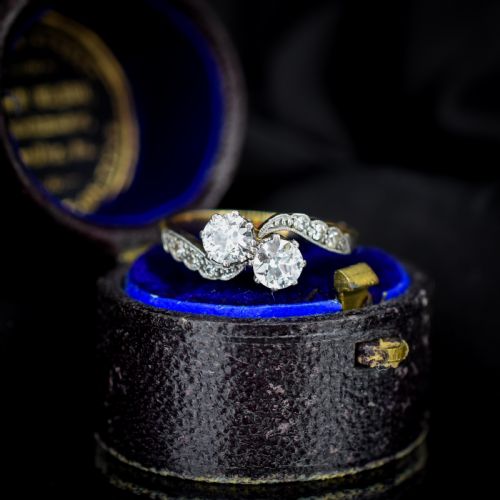
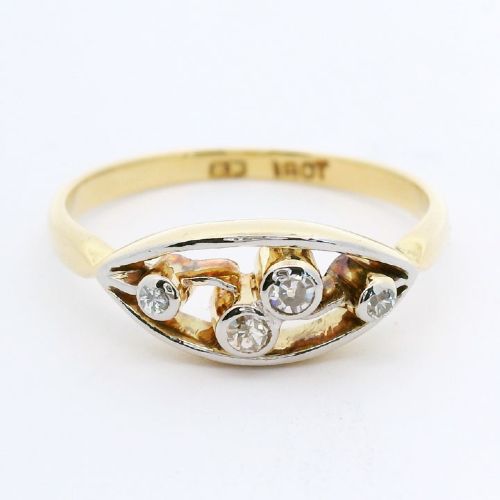
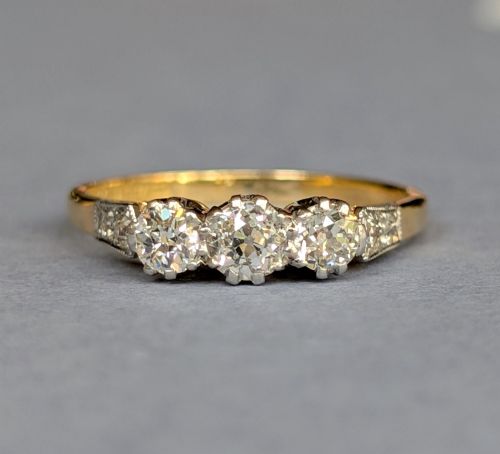
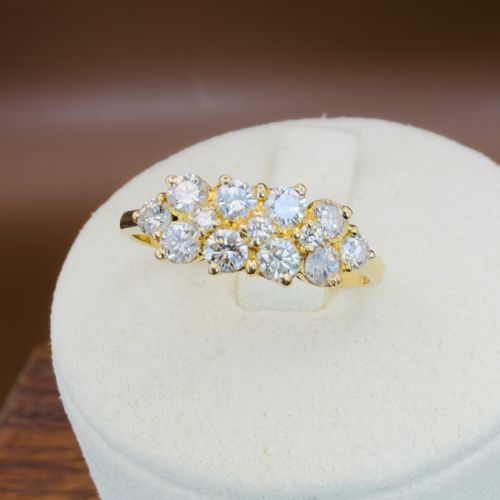
Art Deco Diamond Engagement Ring
Discover an art deco diamond engagement ring, a geometric masterpiece capturing the spirit of the early twentieth century for modern wearers.
Art Deco Diamond Engagement Ring
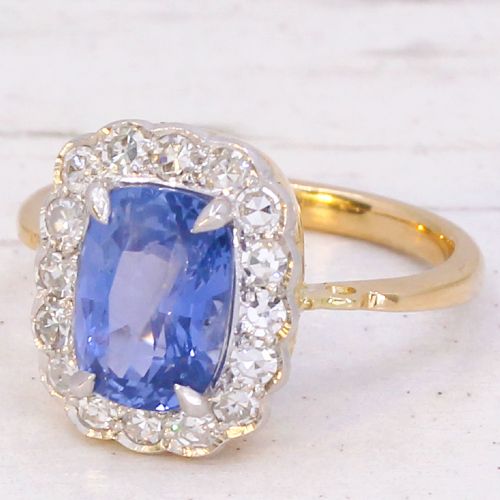
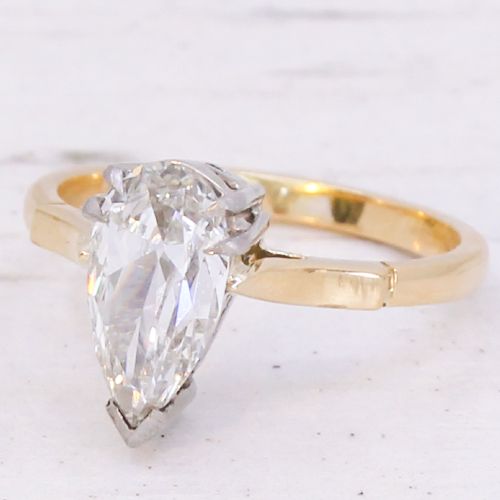
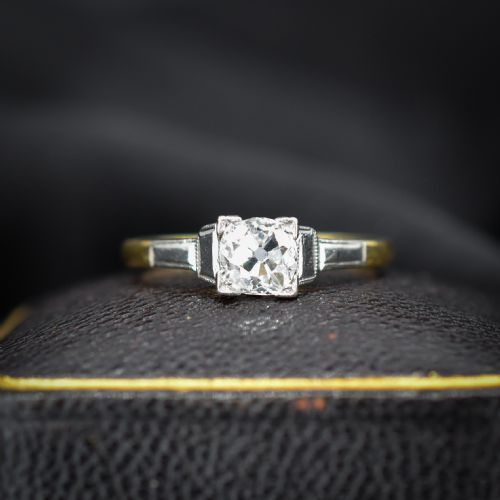
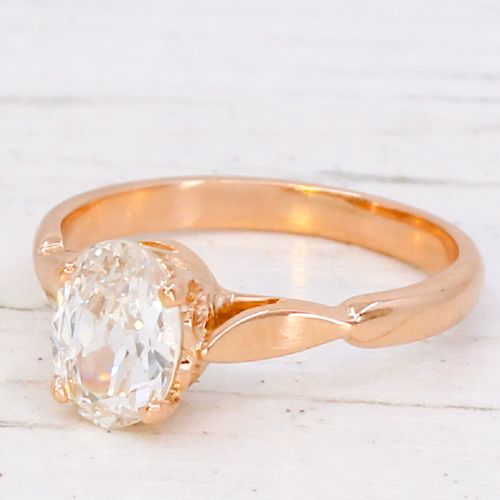
An art deco diamond engagement ring embodies the geometric precision and modernist aesthetics of the period between the wars. These pieces range from solitary old cut stones to intricate cluster and trilogy arrangements.
Buyers will encounter configurations combining diamonds with sapphires, rubies, and pearls set into structured bands. Platinum and various carats of gold provide the foundational framework for these enduring designs.
Originating largely from the 1920s and 1930s, these rings reflect the transition from Edwardian delicacy to bolder, linear forms. Such jewellery survives as a testament to the period's distinct craftsmanship and design philosophy.
How They Were Made
Jewellers utilised platinum alongside 18ct yellow and white gold to construct durable yet delicate settings that maximised light reflection. The introduction of platinum allowed for finer claw and bezel work, securing stones with minimal metal obstruction.
Diamonds were predominantly hand-cut into old European, old cushion, and old mine shapes, producing softer scintillation under candlelight compared to modern brilliant cuts. Gemstones such as sapphires and rubies were shaped into baguettes, squares, and ovals to fit geometric channel and cluster arrangements.
What Varies in Quality
The precision of the metalwork distinguishes exceptional examples from standard production, particularly in the crispness of millegrain edges and openwork galleries. Superior pieces maintain structural integrity in delicate platinum settings without thinning of the shank.
Gemstone selection dictates the upper tier of the range, where unheated sapphires or rubies and well-matched old cut diamonds demonstrate superior clarity and depth of colour. Balance in proportion between the central stone and surrounding accent stones determines the overall visual harmony.
The Art Deco Diamond Engagement Ring Glossary
- Old European Cut
- A round diamond cut popular in the late nineteenth and early twentieth centuries characterised by a high crown and small table.
- Toi Et Moi
- A two-stone ring style representing two souls intertwined, typically featuring adjacent gems on a twist band.
- Millegrain
- A decorative technique featuring a row of tiny raised metal beads along the edges of a setting.
- Trilogy Ring
- A three-stone ring symbolising the past, present, and future of a relationship.
- Cluster Ring
- A central gemstone encircled by a border of smaller accent stones, often forming a daisy shape.
Art Deco Diamond Engagement Ring: Frequently Asked Questions
How do I care for an antique ring?
Clean these pieces gently with warm soapy water and a soft brush, avoiding harsh ultrasonic cleaners that can damage older settings. Regular checks by a jeweller ensure the claws holding the diamonds and gemstones remain secure.
Store the jewellery separately in a lined box to prevent scratching between harder metals and stones. Taking the ring off during heavy manual tasks preserves the integrity of the delicate platinum or gold band.
Can these rings be resized safely?
Most platinum and gold bands can be adjusted by a skilled jeweller who understands antique construction methods. The process requires careful handling to preserve side engravings or millegrain details near the shoulders.
Consulting a specialist ensures the structural balance of the cluster or solitaire setting is not compromised during adjustment. Certain intricate gallery designs limit the extent of possible alterations.
What defines an old cut diamond?
Old cut diamonds are hand-faceted gems shaped before modern optical physics standardised cutting proportions in the mid-twentieth century. They feature smaller tables, higher crowns, and larger culets that create a distinct, warmer glow.
Each stone possesses unique irregularities that highlight the individual hand of the lapidary. This historic cutting style remains a defining feature of authentic period pieces.
Are coloured gemstones natural in these pieces?
Many period pieces incorporate natural sapphires and rubies sourced from historic locations such as Burma or Ceylon. These stones often display organic inclusions visible under magnification, confirming their natural origin.
Documented gems without thermal enhancement command particular interest from collectors. Gemological reports frequently accompany significant coloured stone rings to verify these characteristics.