





Art Deco Dancer
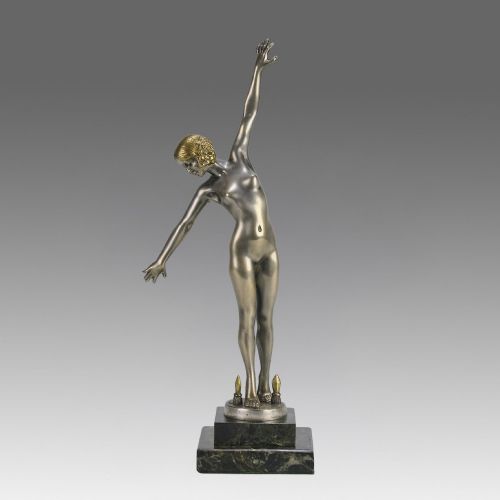
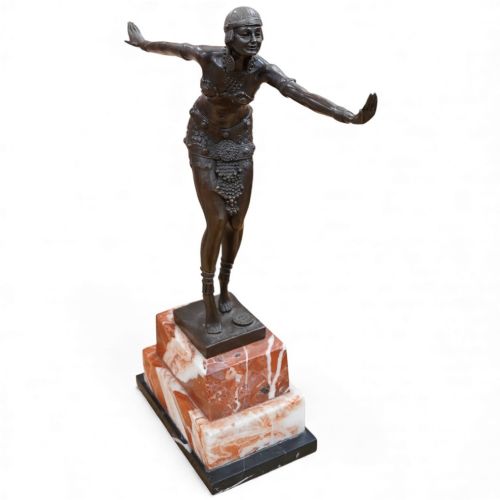
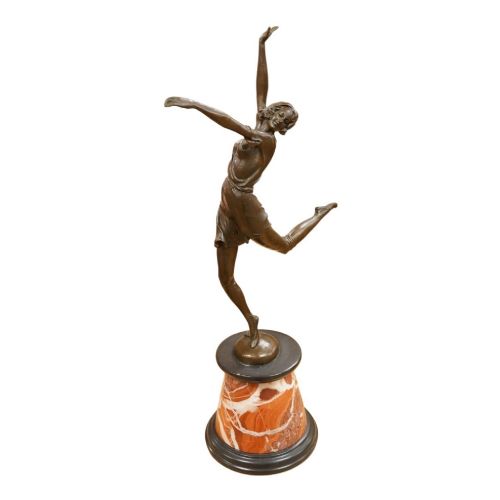
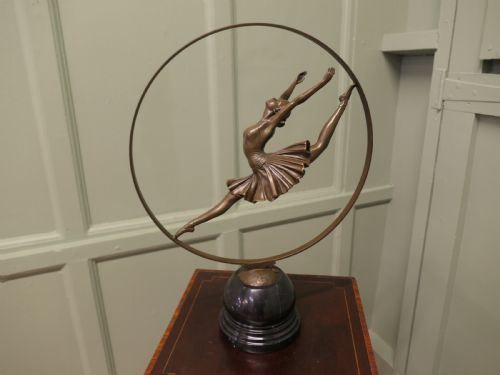
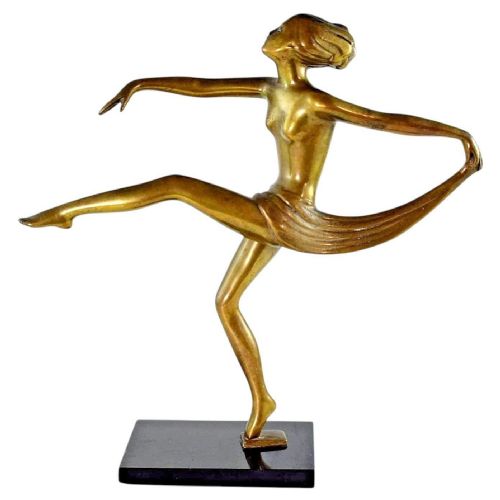
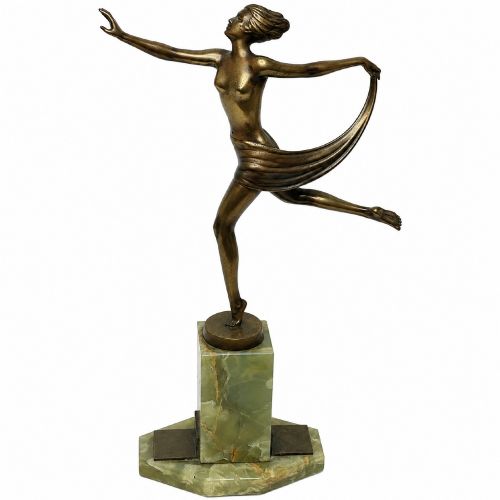
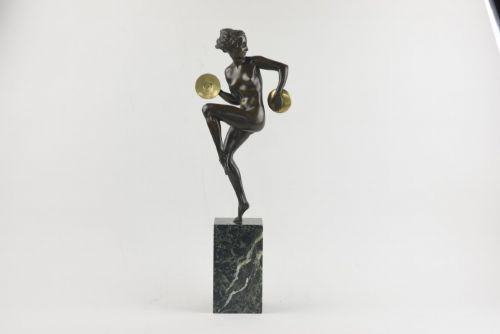
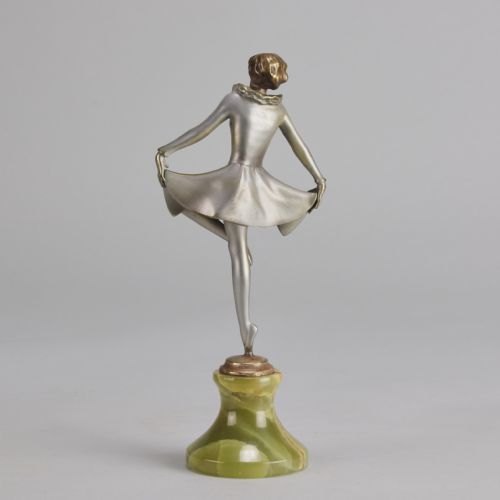
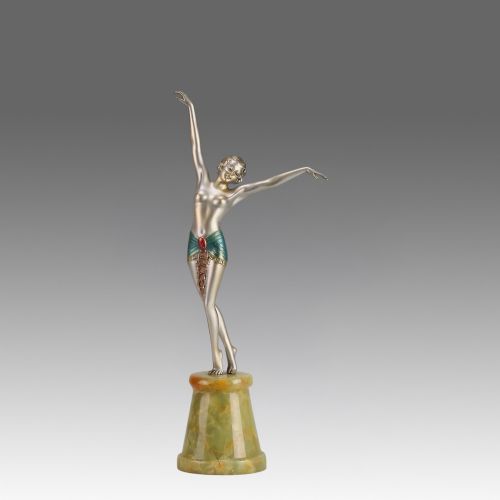
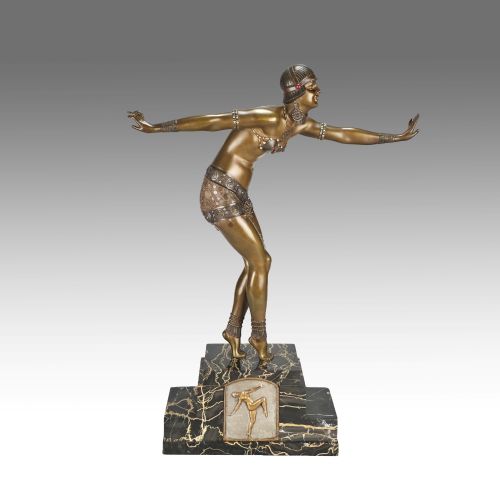
These art deco dancer figures capture movement through stylized forms in bronze, spelter, and marble from the early decades of the twentieth century.
Art Deco Dancer
When you search for an art deco dancer, you encounter sculptural figures and lamps depicting female dancers from the 1910s to the 1940s. These pieces represent movement, athleticism, and performance through the aesthetic lens of the interwar period.
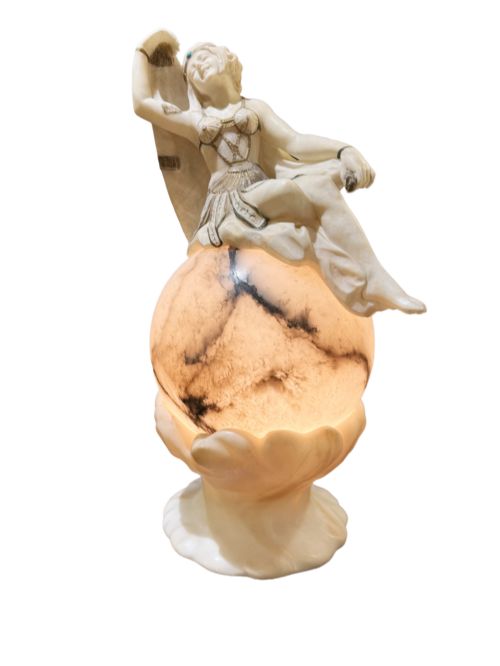
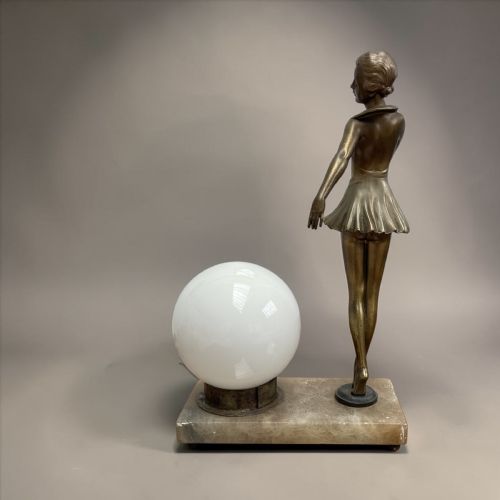
The versions you meet most frequently on this page include bronze and spelter figures mounted on marble or onyx bases, alongside sculptural table lamps. Subjects range from European ballerinas and exotic oriental dancers to specific stage performers.
Materials and construction
Makers utilised a combination of metals such as bronze, silvered bronze, cold-painted bronze, and spelter for the figures, frequently pairing them with heavy bases made of marble, onyx, or alabaster. Some examples incorporate wood, brass, chrome plate, and porcelain.
Foundries cast these metal figures using traditional methods before applying patinas, cold-painted enamel details, or gilding. Many designs integrate carved elements or mounted stones to anchor the dynamic poses.
Art Deco Dancer Retail Price Guide 2026
Typical asking prices for art deco dancer among the pieces listed under this phrase on Sellingantiques today, from the lower quarter to the upper quarter. They describe what is for sale here now, not the wider market.
Several dancers balance precariously on spheres, dice, or tiptoe, capturing mid-air theatrical leaps in solid metal.
Factors influencing quality
The distinction between top-tier examples and simpler pieces rests on the precision of the casting and the fidelity of the chasing work on the metal surface. Sculptures produced by established artists and major foundries exhibit sharper facial expressions, more fluid drapery, and finer hand-applied cold-painted finishes.
The choice of base material also marks a difference, with substantial, multi-toned marble or onyx plinths supporting finer works, whereas commercial alternatives often employ lighter spelter compositions and simpler wooden or plain bases.
Maurice Giraud-Rivière·D.H. Chiparus·Bruno Zach·Pierre Collinet·Josef Lorenzl·Aurore Onu·Sier Kunst·Hagenauer·Paul Philippe·Theo Voss·Pierre Le Faguays·Claire Jeanne Roberte Colinet·Rene Andre Varnier
The Art Deco Dancer Glossary
- Spelter
- A zinc alloy used as a less expensive alternative to bronze for cast figures. It takes painted finishes well but has a lower tensile strength.
- Cold-painted bronze
- A technique where bronze sculptures are painted with cold enamel colours after casting and patination, rather than being fired in a kiln.
- Chryselephantine
- A term describing statues made from a combination of bronze and ivory. The method highlights contrasting textures in figurative sculpture.
- Patinated metal
- Metal treated with chemicals, heat, or acid to produce a specific surface colour or aged finish. This protects the underlying material while enhancing visual depth.
Art Deco Dancer: Frequently Asked Questions
What materials are art deco dancers made from?
These figures are primarily cast in bronze, silvered bronze, cold-painted bronze, or spelter. They are frequently mounted on heavy bases made of marble, onyx, alabaster, or wood.
Additional materials found in specific designs include brass, chrome plate, glass, and porcelain.
How do I identify a dancer by a specific artist?
Look for signatures, foundry marks, or incised names cast directly into the metal or inscribed on the marble base. Many works also bear distinct stylistic traits typical of individual sculptors active during the period.
Attributions are often supported by the specific pose, costume details, and the material combination used in the casting.
How were these figures used originally?
Most of these pieces served as decorative cabinet sculptures, mantel ornaments, or centerpieces in domestic interiors. Some designs were purposefully integrated into functional objects, such as table lamps.
Their primary purpose was to celebrate modern dance, theatre, and athleticism through contemporary decorative arts.
How should I care for a bronze or spelter dancer?
Keep the sculpture away from direct sunlight and damp environments to protect the metal patina and the stone base. Dust gently with a dry, soft cloth without applying chemical polishes or cleaning agents.
Take particular care with cold-painted surfaces, as moisture can lift the delicate enamel details applied over the metal.