




Art Deco Cup
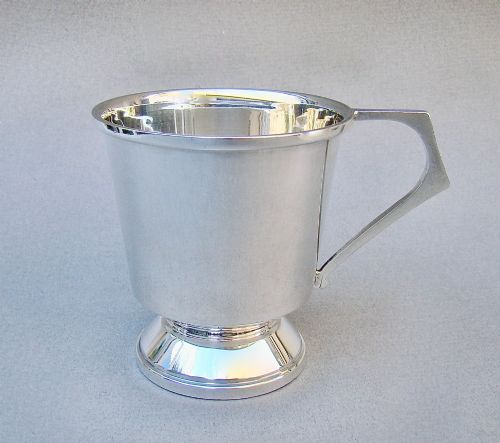
An art deco cup brings geometric precision and bold lines to the table, combining functional drinking vessels with the sharp aesthetic of the period.
Art Deco Cup
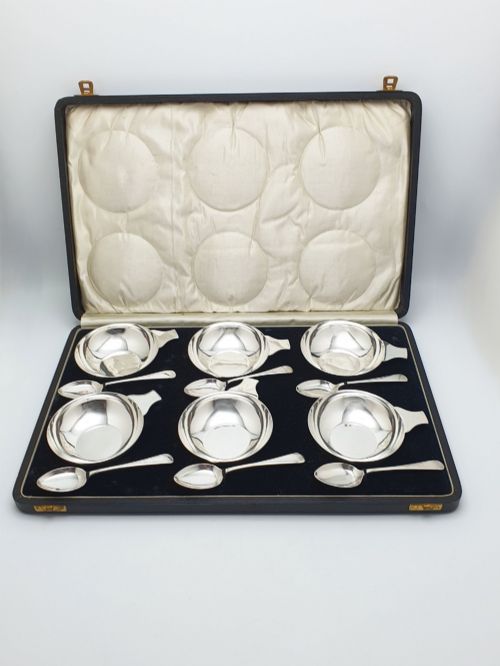
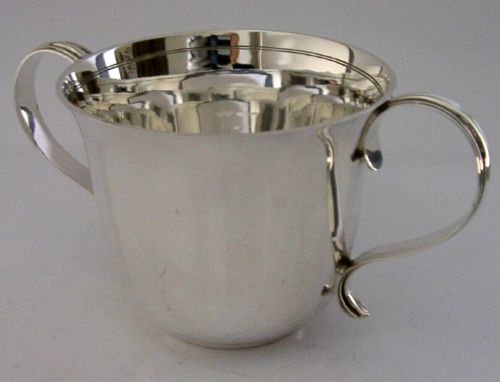
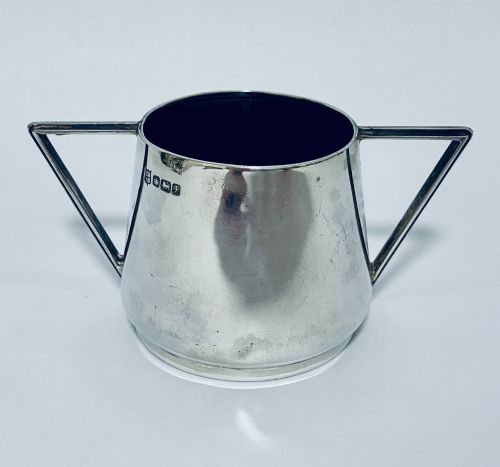
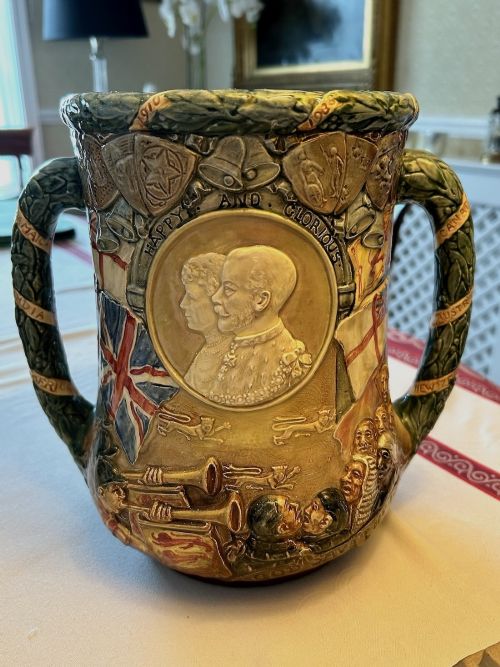
The art deco cup category encompasses a diverse array of drinking vessels, including travel beakers, cocktail goblets, coffee sets, porcelain bowls, and commemorative ceramics. Buyers seeking these items will encounter pieces spanning from the 1910s through the 1940s, reflecting the rapid evolution of twentieth-century design.
Barware and coffee services dominate the structural forms, showcasing the era's focus on social entertaining and stylish domestic rituals. Glass cups with enamel decoration and porcelain tea sets complete the variety of vessels available to collectors.
How they were made
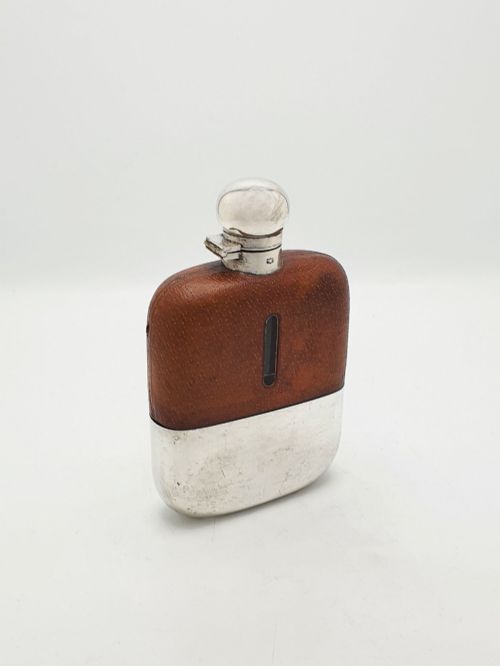
Metalsmiths utilised sterling silver and silver plate to shape heavy drinking vessels, cocktail shakers, and trophy cups, often applying hammered surface textures or clean geometric mounts. Leather and crocodile skin were carefully fitted to glass bodies to create durable travel hip flasks.
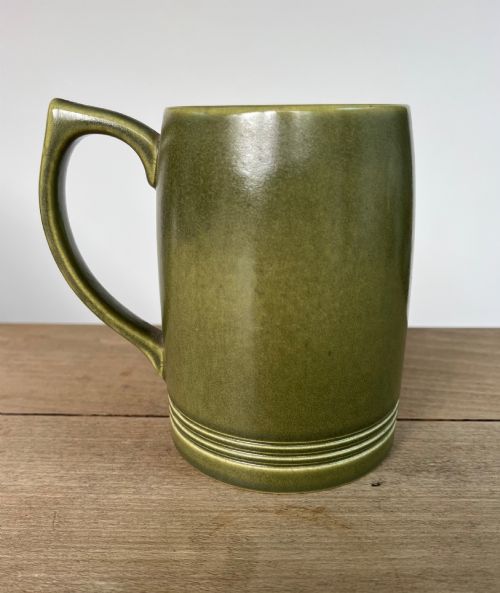
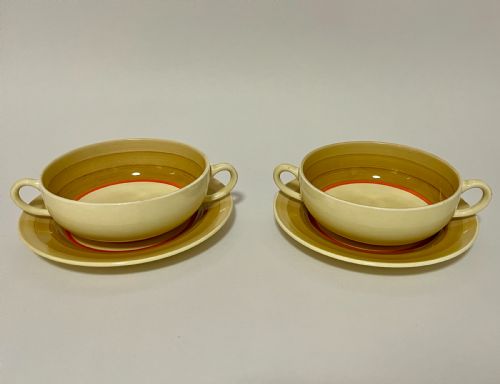
Ceramic pieces combine porcelain and earthenware bodies with hand-painted glazes, vibrant enamel decoration, and lustre finishes. Glassware incorporates hand-painted enamel details, uniting traditional kiln-fired techniques with the modernist graphic vocabulary of the era.
Art Deco Cup Retail Price Guide 2026
Typical asking prices for art deco cup among the pieces listed under this phrase on Sellingantiques today, from the lower quarter to the upper quarter. They describe what is for sale here now, not the wider market.
Several hip flasks are wrapped in genuine crocodile skin, ensuring your twentieth-century refreshment travels with proper reptilian protection.
What varies in quality
Quality rests on the weight of the metal, the precision of the silver smithing, and the clarity of hallmarks indicating origin and date. Heavier sterling silver pieces and marked maker wares distinguish themselves from standard silver plate.
For ceramics and glassware, the distinction lies in the complexity of the hand-painted design, such as intricate lustre applications or signed enamel work. Well-preserved original leather cases and complete matching sets elevate the desirability of individual cups and services.
Tiffany and Co·Royal Doulton·Clarice Cliff·Elkington·Doric China Longton Stafford·Wedgwood·Daisy Makeig Jones·James Dixon and Sons·Maison Barra·St Medard Paris
The Art Deco Cup Glossary
- Sterling silver
- A silver alloy containing 92.5 percent pure silver and 7.5 percent other metals, typically copper. This standard composition ensures durability while maintaining a bright, reflective finish on drinking vessels and trophies.
- Silver plate
- A base metal such as nickel or copper coated with a thin layer of silver. This technique allowed manufacturers to produce elaborate barware and tea services at a lower cost than solid silver.
- Lustreware
- Pottery decorated with a metallic glaze that produces an iridescent sheen. Wedgwood produced notable examples using this technique during the early twentieth century.
- Earthenware
- Porous ceramic fired at a relatively low temperature and glazed to hold liquids. It forms the body of many brightly painted tea sets and soup bowls from the period.
- Demitasse
- A small cup used to serve Turkish coffee or espresso. These are frequently found paired with matching saucers and spoons in sets from the era.
Art Deco Cup: Frequently Asked Questions
What materials were used to make art deco cups?
Makers utilised sterling silver, silver plate, porcelain, earthenware, and glass to construct these vessels. Leather and crocodile skin also appear as exterior coverings on travel flasks.
Surface decoration frequently involved hand-painted enamels, lustre glazes, and monochrome or vibrant colour palettes characteristic of the style.
How do I care for silver art deco cups?
Solid silver and silver plate require gentle cleaning with non-abrasive polishes to preserve hallmarks and surface details. Hand washing prevents damage to delicate enamel or lustre decorations on ceramic and glass vessels.
Leather-bound flasks should be kept away from excessive moisture to maintain the integrity of the natural hide coverings.
Were these cups used daily or for special occasions?
Many pieces were designed for specific social rituals, such as cocktail parties, formal tea services, and sporting events. Travel beakers and hip flasks served practical functions for travellers and sportsmen on the move.
Commemorative ceramics and trophy cups marked specific historical events or competitive victories rather than everyday domestic dining.
How do I identify the date of an art deco cup?
Metal items often feature hallmarks, maker marks, and date letters that pinpoint the exact year of manufacture in assay offices. Ceramic and glass pieces rely on factory backstamps, registered design numbers, and stylistic signatures.
The overall form, ranging from stark 1920s geometric barware to 1940s French silver plate, provides further chronological context.