



Art Deco Crystal Barware
Art deco crystal barware brings geometric elegance and period glamour to any gathering, offering functional vessels designed for stylish entertaining.
Art Deco Crystal Barware
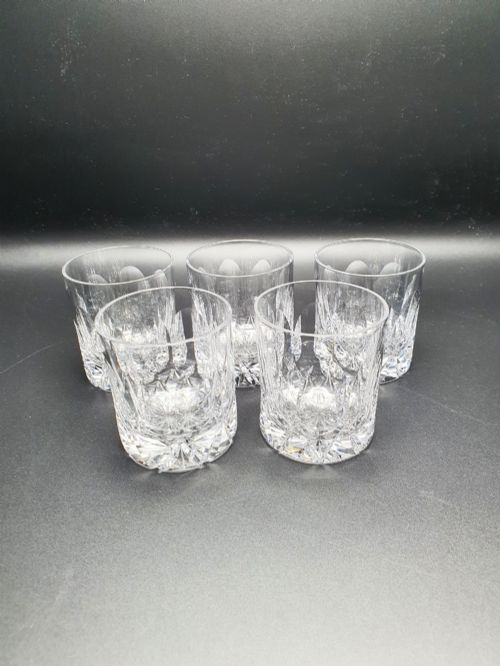
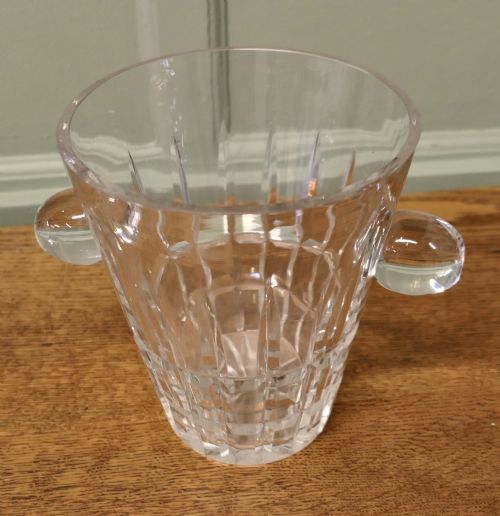
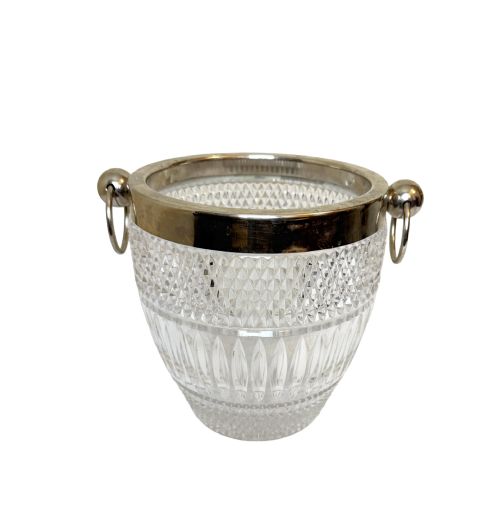
Art deco crystal barware encompasses drinking sets, decanters, ice buckets, and ashtrays that reflect the distinct design sensibilities of the early twentieth century. When exploring art deco crystal barware, buyers encounter items dating from the nineteen-hundreds through the nineteen-forties, with a strong representation from the nineteen-twenties and nineteen-thirties.
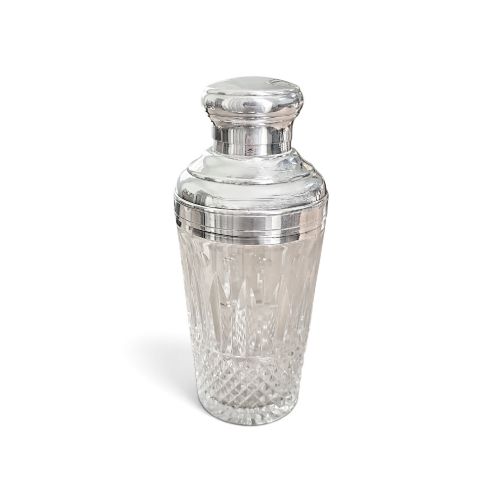
The objects take forms such as hand-blown wine coolers, cocktail shakers with precious metal mounts, and complete decanter sets accompanied by matching glasses. Originating from workshops and makers across England, France, and Bohemia, these pieces combine utilitarian purpose with striking decorative presence.
Materials and construction methods
The manufacture of art deco crystal barware relies on lead crystal, glass, and cut glass shaped through hand-blowing and precise cutting techniques. Artisans enhanced these glass bodies with sterling silver tops, silver-plated mounts, chrome frames, and intricate hand enamelling.
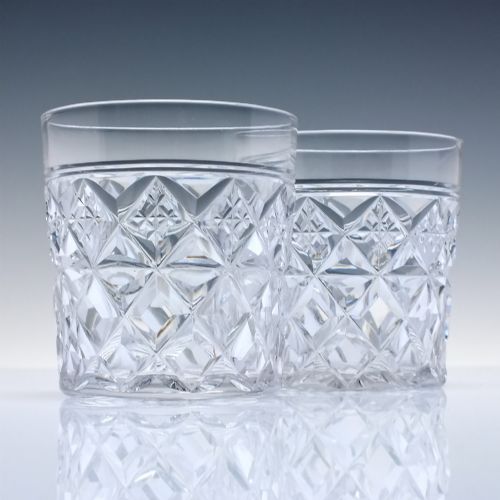
French and Bohemian production frequently utilised deep hand-cutting to create geometric facets that catch the light, while English makers paired heavy crystal vessels with secure locking mechanisms and silver hardware.
Art Deco Crystal Barware Retail Price Guide 2026
Typical asking prices for art deco crystal barware among the pieces listed under this phrase on Sellingantiques today, from the lower quarter to the upper quarter. They describe what is for sale here now, not the wider market.
Materials observed across these listings include glass, cut glass, cut crystal, sterling silver, black glass, lead crystal, silver plate, and enamel.
Distinctions in quality and execution
Quality in art deco crystal barware is defined by the clarity and weight of the crystal alongside the precision of the hand-cut facets. Pieces featuring documented maker attribution or integrated precious metal hardware display superior craftsmanship.
The integration of secondary materials, such as heavy sterling silver mounts or specialised enamelling, separates standard production items from masterworks produced by prominent European glasshouses.
Hukin and Heath·Val Saint Lambert·Lalique·Jacques Adnet·Karl Palda
The Art Deco Crystal Barware Glossary
- Decanter
- A vessel designed for holding and serving liquor, often fitted with a stopper. These frequently feature cut crystal bodies and silver collars.
- Tantalus
- A locking beverage frame that securely holds decanters while allowing their contents to be seen. This clever device prevents unauthorized access to fine spirits.
- Champagne coupe
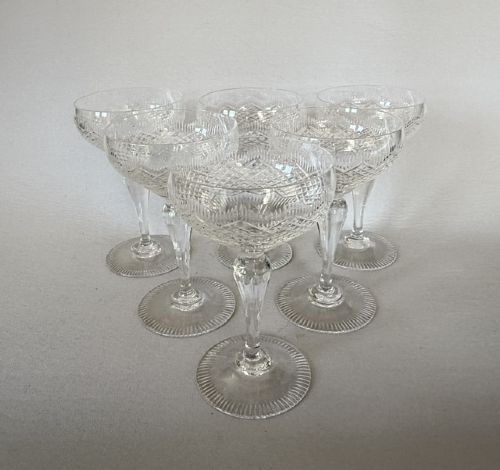
- A shallow, broad-bowled stemmed glass used for serving champagne and sparkling wines. They appear in matching sets from the period.
- Lead crystal
- Glass containing metal oxide that increases weight, brilliance, and refractive index. This material forms the foundation of high-end vintage barware.
- Enamel
- A decorative fused glass coating applied to the surface of glassware. Artisans used this technique to add colourful geometric motifs.
Art Deco Crystal Barware: Frequently Asked Questions
How do I clean vintage crystal barware?
Wash these pieces gently by hand using warm water and mild detergent, avoiding abrasive sponges or harsh chemical dishwashers. Dry them promptly with a lint-free cloth to maintain the clarity of the crystal.
For decanters with narrow necks, use specialised cleaning beads and water to dislodge residue without scratching the interior glass surface.
Are silver mounts marked for purity?
Many sterling silver mounts and hardware components feature traditional hallmarks indicating the metal standard and origin. These stamps provide valuable clues regarding the date and maker of the piece.
Silver-plated items typically carry maker marks or manufacturer stamps rather than official precious metal assay hallmarks.
Can I use these decanters for daily service?
These functional vessels were originally built for entertaining and remain entirely suitable for serving spirits today. Handle them with care during pouring to protect delicate crystal rims and hand-cut facets.
Ensure that stoppers are removed gently and avoid exposing aged glass to sudden, extreme temperature changes.
How do I identify Bohemian pieces?
Bohemian items from this era frequently showcase vibrant hand enamelling and distinct geometric cutting styles. Regional production often emphasised colourful lead crystal bodies.
Documentation or characteristic export stamps can further confirm the Central European origin of these striking barware sets.