




Art Deco Clothes Cupboard
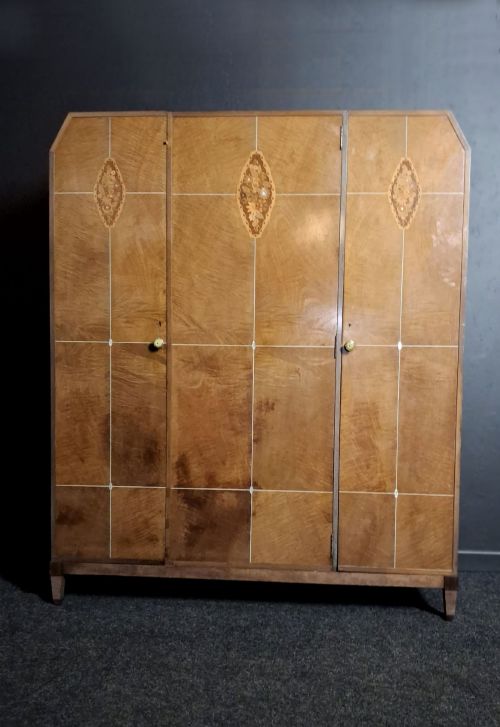
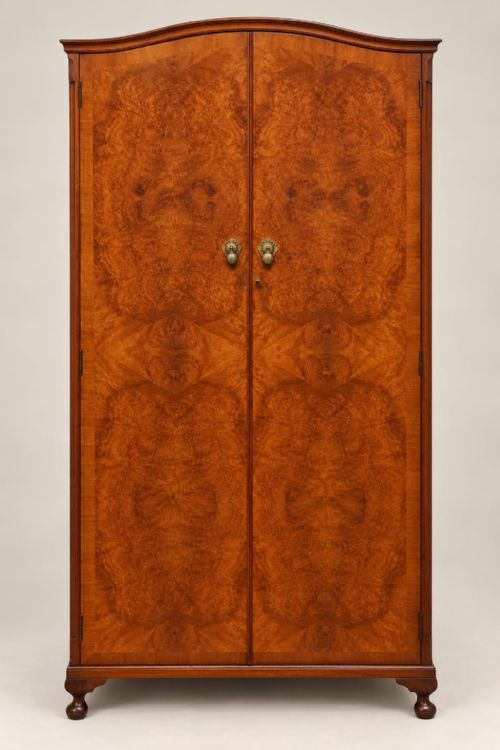
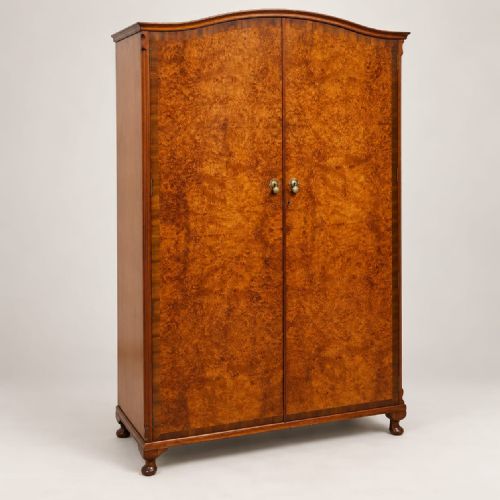
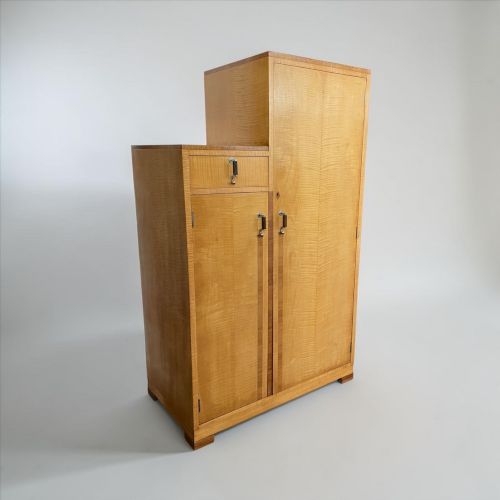
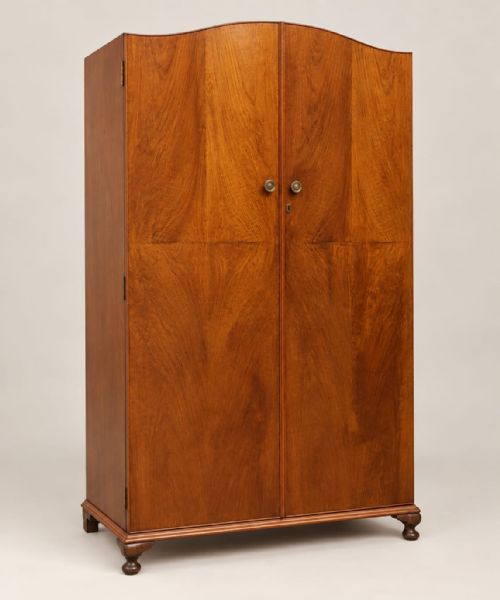
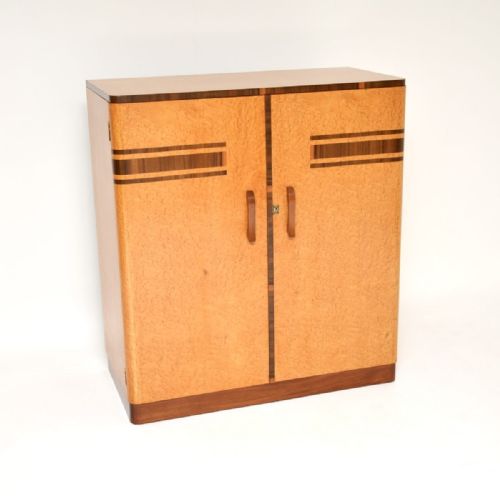
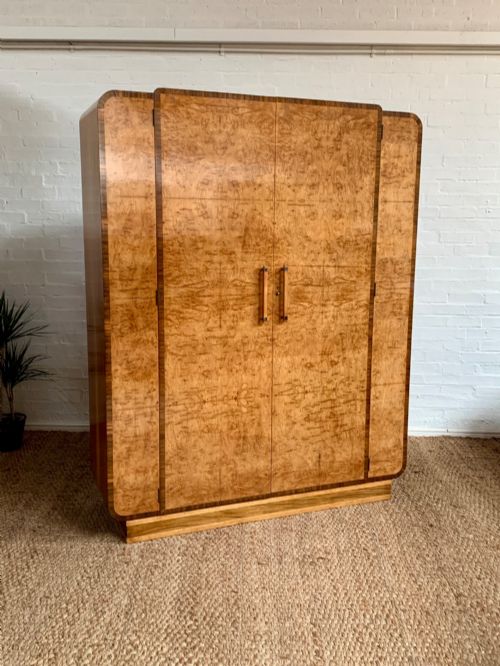
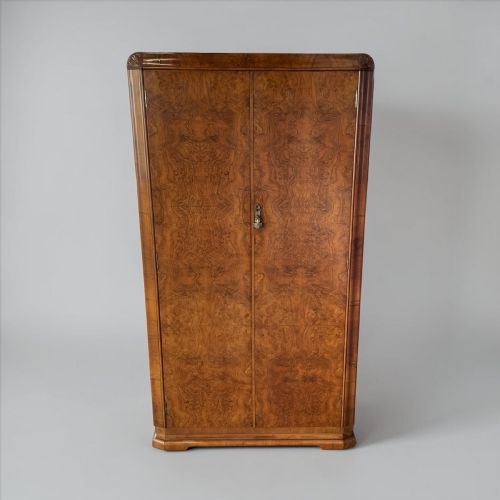
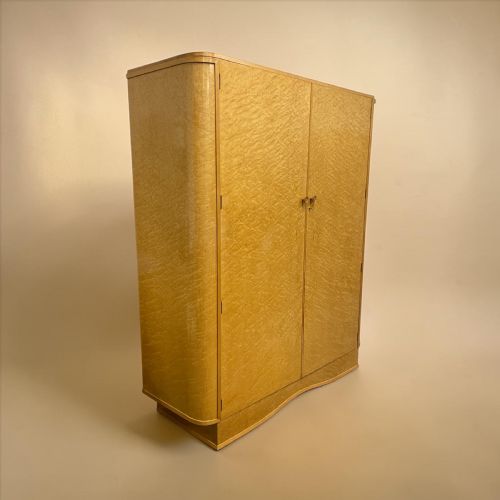
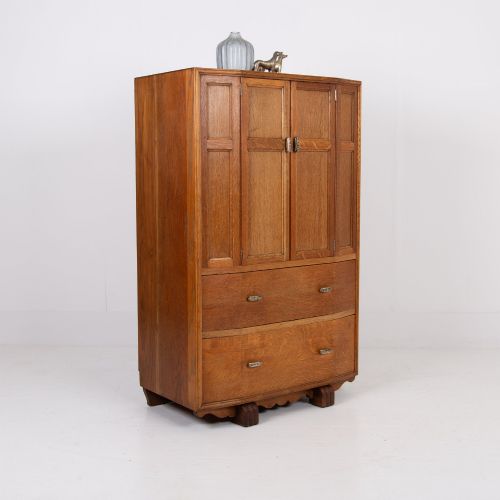
These art deco clothes cupboard pieces offer generous proportions in walnut and burr walnut, bringing striking geometric presence to a bedroom.
Art Deco Clothes Cupboard
Originating predominantly from the 1920 and 1930 periods, these wardrobes showcase the distinct streamlined forms characteristic of the style. Buyers encounter bow fronted triple wardrobes among the options available.
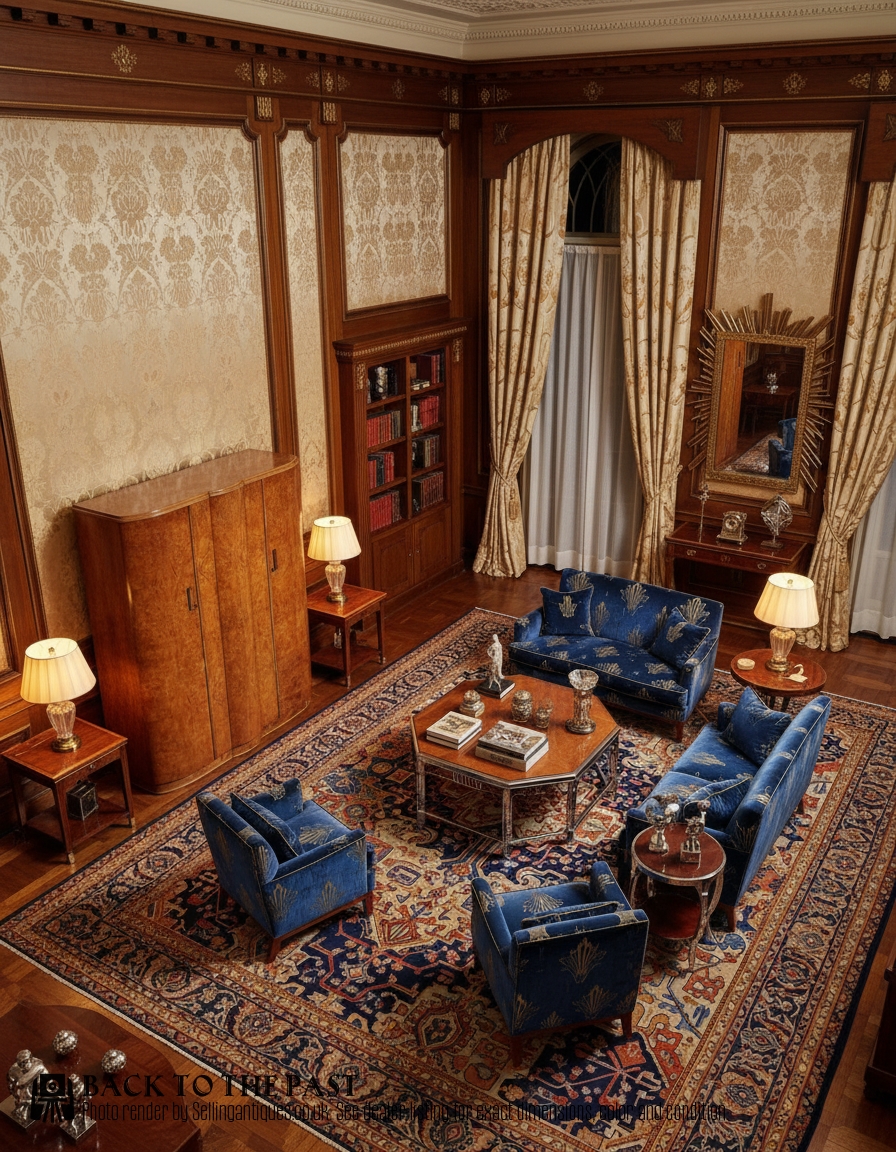
The primary function remains storing garments, yet the monumental scale and veneered surfaces make each art deco clothes cupboard a commanding architectural feature in a room.
How they were made
Construction relies upon a hardwood or general wood carcass that receives decorative veneers across its primary surfaces. Cabinet makers utilised burr walnut, walnut veneer, satinwood and birch to create striking grain patterns.
Surface decoration depends heavily on the natural figures of wood veneers, arranged symmetrically across the large door panels. Metal hardware provides functional utility and contrasting detail against the polished wood.
Art Deco Clothes Cupboard Retail Price Guide 2026
Typical asking prices for art deco clothes cupboard among the pieces listed under this phrase on Sellingantiques today, from the lower quarter to the upper quarter. They describe what is for sale here now, not the wider market.
Listings span the 1920 and 1930 periods, featuring walnut, burr walnut, satinwood, birch and metal materials.
What varies in quality
Quality rests in the selection and matching of wood veneers, where book-matched burr walnut creates a symmetrical visual rhythm across the doors. Lesser examples rely on plain timber or repetitive grain without thoughtful alignment.
The architectural presence of a bow fronted carcass separates grander pieces from simpler flat-fronted versions. Superior construction ensures the heavy doors hang true and close flush against the frame.
The Art Deco Clothes Cupboard Glossary
- Burr walnut
- A prized timber veneer showing swirling knot formations and rich figuring. Cabinet makers select these cuts for decorative impact on prominent surfaces.
- Triple wardrobe
- A large three-section clothing storage unit providing extensive internal capacity. These monumental pieces dominate a bedroom wall.
- Bow fronted
- A convex curved front facade that softens the rigid geometry of standard cabinet design. This shaping requires skilled carpentry to execute.
- Veneer
- A thin slice of decorative wood adhered to a stable wood base. This technique allows artisans to display expensive timbers across large panels.
Art Deco Clothes Cupboard: Frequently Asked Questions
What is an art deco clothes cupboard?
An art deco clothes cupboard is a large wardrobe produced during the 1920 and 1930 periods, designed for hanging and storing garments.
These pieces utilise striking wood veneers like walnut and burr walnut to create bold geometric visual statements.
How do I date an art deco wardrobe?
Dating relies upon examining construction methods, hardware styles, and the specific veneer choices typical of the 1920 and 1930 decades.
Triple wardrobes and bow fronted designs from this era reflect the architectural trends of the interwar period.
How do I fit a large triple wardrobe?
Measure your ceiling height and floor space carefully before introduction, ensuring clearance for wide doors to swing open fully.
These substantial pieces require adequate clearance in a bedroom to allow the veneered facades to be appreciated visually.
What materials are used in these wardrobes?
Construction typically involves a wood or hardwood carcass surfaced with decorative veneers including burr walnut, walnut, satinwood and birch.
Metal elements appear as functional handles and hinges that complement the polished wooden surfaces.