





Art Deco Casket
An art deco casket brings geometric symmetry and fine materials to a dressing table or desk.
Art Deco Casket
An art deco casket is a functional container designed for jewellery, cigarettes, or small trinkets during the interwar decades. Buyers searching this phrase seek decorative containers shaped by the rigorous lines and modernist geometry characteristic of the period. These pieces originate predominantly from the 1920s and 1930s, alongside occasional mid-century examples.
Materials and construction
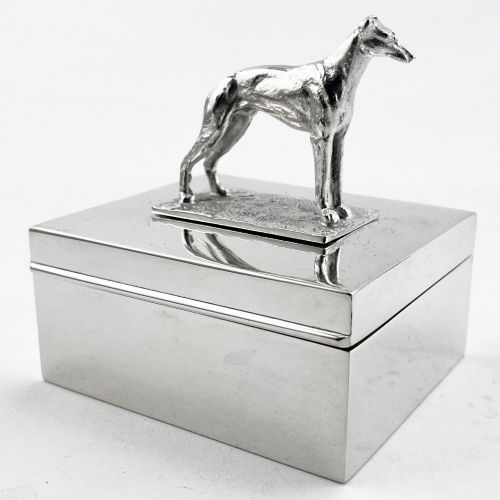
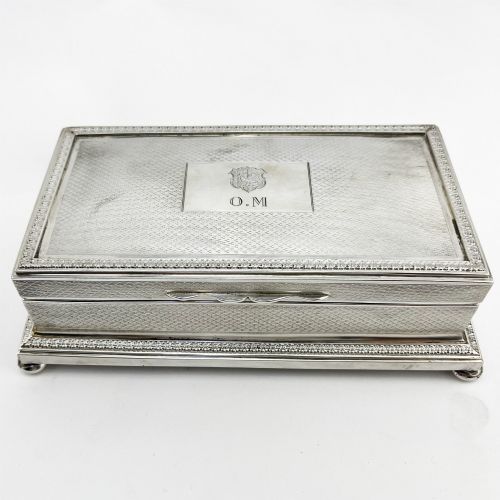
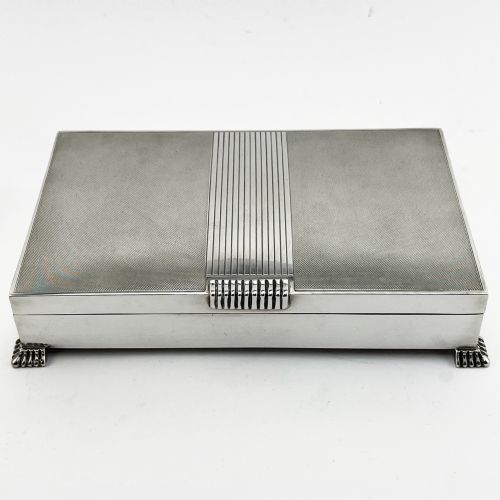
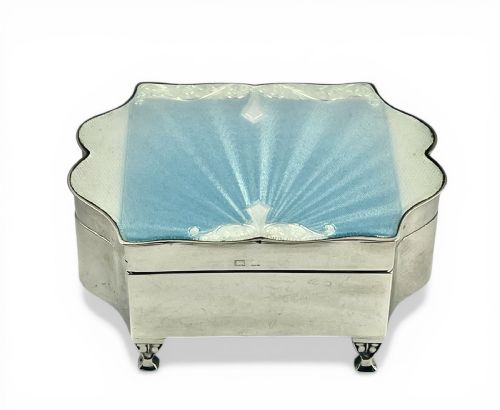
Makers utilised precious metals such as sterling silver and solid silver for the structural bodies of the finer boxes, often pairing them with contrasting inlays. White onyx, lapis lazuli, and rose quartz provide striking natural colouration and texture to the stone-set pieces. Enamel work adds vibrant bands of blue decoration directly onto the metal surfaces.
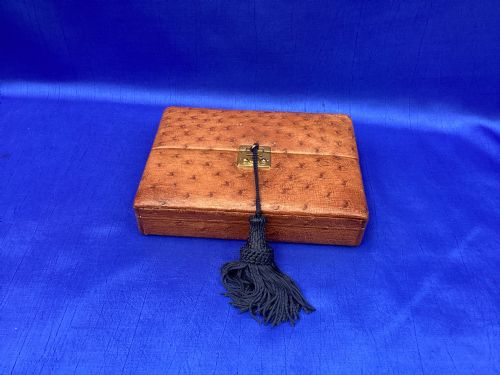
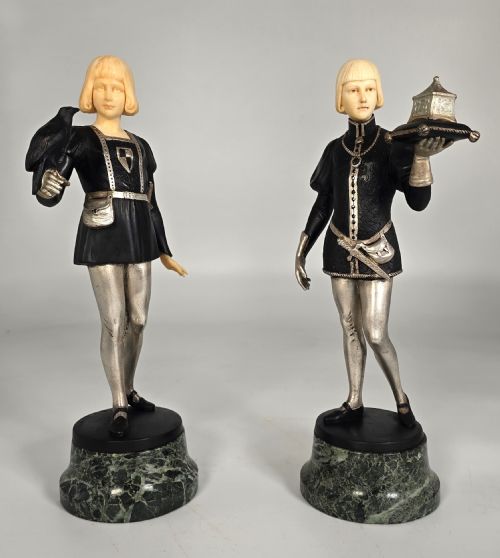
Organic materials play a prominent role in the construction of these containers, with crocodile skin and leather stretched over rigid frames. Ebonised wood and bronze combined with carved ivory appear in sculptural table figures and specialised receptacles. Each material requires distinct joining techniques, from silver soldering to precise stone setting.
Art Deco Casket Retail Price Guide 2026
Typical asking prices for art deco casket among the pieces listed under this phrase on Sellingantiques today, from the lower quarter to the upper quarter. They describe what is for sale here now, not the wider market.
Distinguishing quality
The distinction between standard containers and finer work rests on the complexity of the materials and the precision of the assembly. Pieces incorporating hardstones like lapis lazuli or translucent blue enamel demand advanced lapidary and silversmithing skills. Maker attribution also elevates a piece, as established firms applied higher standards to their hinges, locks, and internal linings.
Weight and structural integrity dictate the lasting presence of a box. Solid silver and heavy sterling silver vessels maintain their form and closure far better than plated alternatives or thin metal sheets. The crispness of the geometric angles reveals the care taken during the initial cutting and polishing stages.
Mappin & Webb·Gotthilf Jaeger
The Art Deco Casket Glossary
- Sterling silver
- An alloy consisting of 92.5 percent silver by mass, with other metals added for durability. This standard alloy forms the primary body of numerous interwar cigarette and trinket boxes.
- Ebonised
- Wood that has been treated and finished to resemble ebony, providing a deep black surface. This technique appears on geometric wooden jewellery boxes from the nineteen twenties.
- Enamel
- A glassy substance fused to the surface of metal through firing to provide smooth, coloured decoration. Blue enamel details are frequently found on silver boxes from the nineteen thirties.
Art Deco Casket: Frequently Asked Questions
What were art deco caskets used for?
These containers served primarily to hold valuable items such as jewellery, rings, and personal trinkets on dressing tables. Many versions were also manufactured specifically to store cigarettes or cigars in social reception rooms.
Their secure lids and divided interiors kept delicate personal effects organised and protected from dust. Over time, their role shifted from utilitarian desktop storage to prominent decorative display objects.
How do I identify a 1920s box?
Pieces from the nineteen twenties typically display early geometric motifs, simpler linear borders, and extensive use of leather or crocodile skin. Silver examples often carry hallmarks that verify the exact year of assay.
Subtle stylistic cues, such as restrained use of contrasting materials and upright proportions, distinguish these early interwar designs from later postwar iterations.
Are these boxes suitable for daily use?
Most solid silver, leather, and hardwood containers remain robust enough to hold small daily accessories like rings or cuff links. Lined interiors protect the contents from scratches during regular opening and closing.
Delicate stone-set panels or intricate enamel surfaces require more careful handling to prevent chipping or surface wear.
How should I clean a silver box?
Sterling and solid silver surfaces benefit from occasional gentle polishing with a dedicated microfibre cloth to remove tarnish. Avoid abrasive cleaners that can wear down hallmarks or delicate engraved lines.
Inlaid stones like lapis lazuli or applied enamel require specialised care to keep moisture away from the adhesive joints and edges.