
Art Deco Bedroom
An art deco bedroom scheme centres on bold geometric furniture, bringing together striking veneers and streamlined brass details.
Art Deco Bedroom
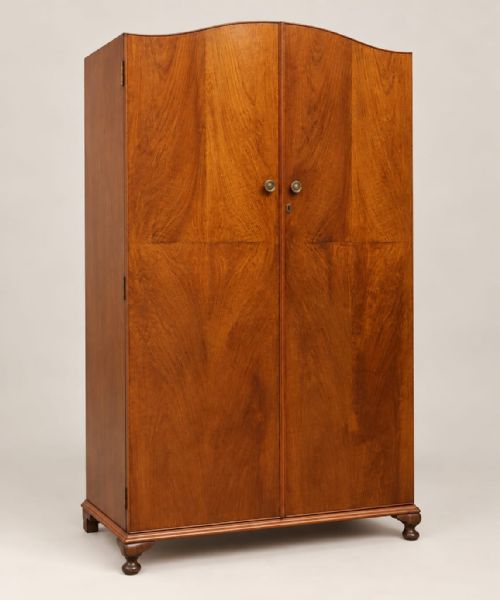
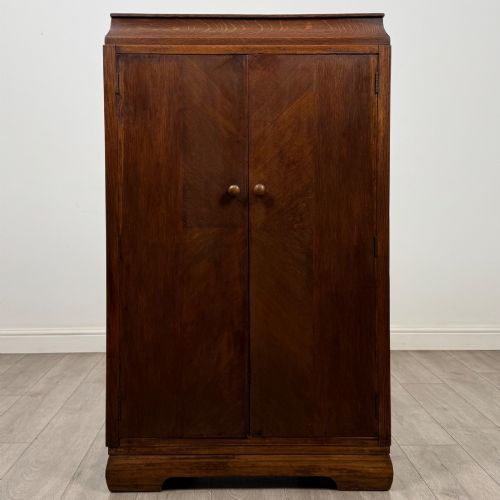
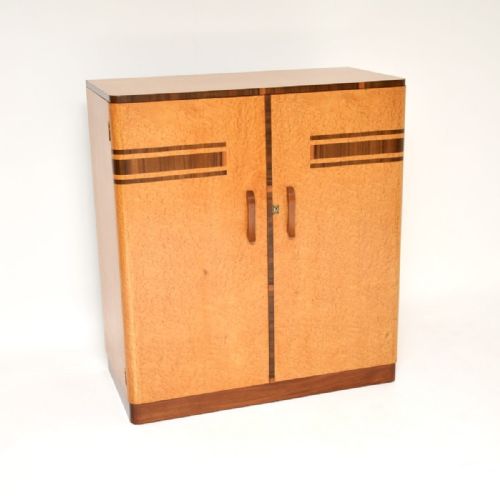
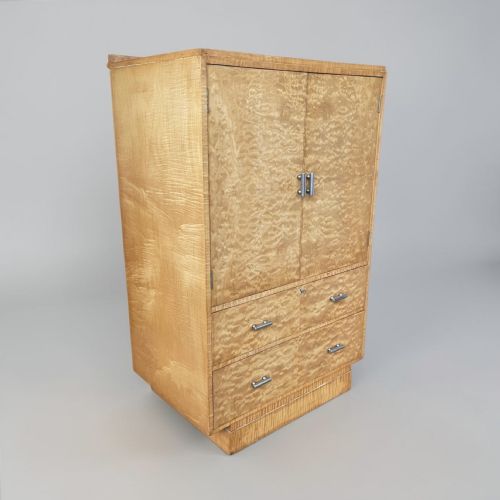
When searching for an art deco bedroom, buyers encounter large storage pieces such as wardrobes, tallboys, and compactums designed to anchor the room. These functional items include fitted interiors, mirrored doors, and clean architectural lines characteristic of the period.
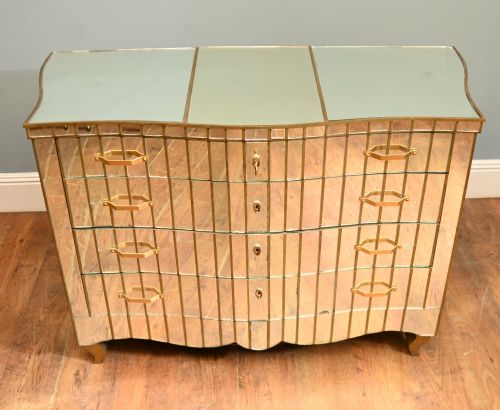
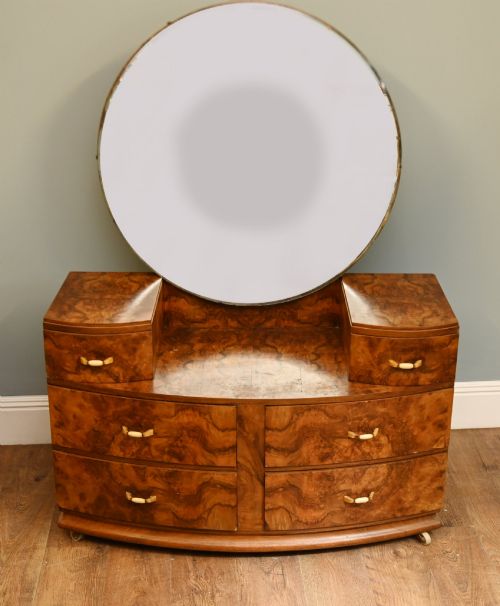
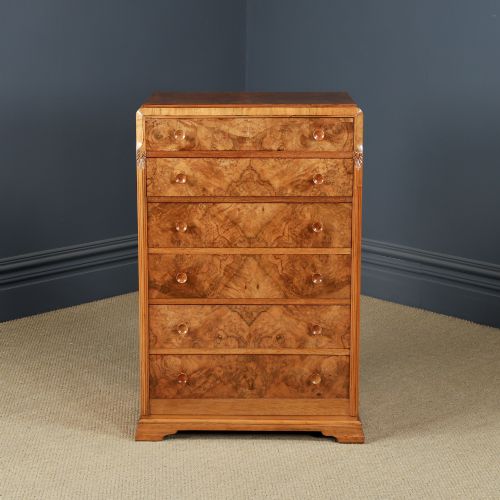
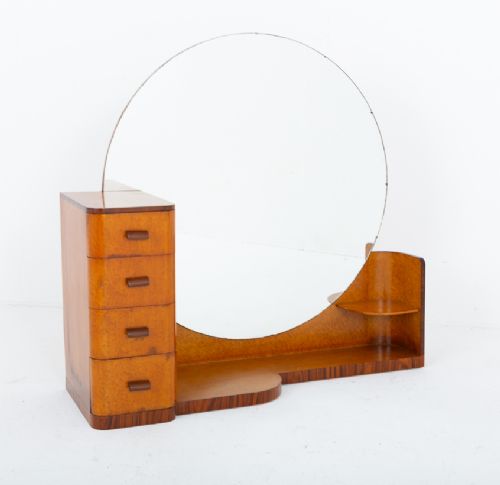
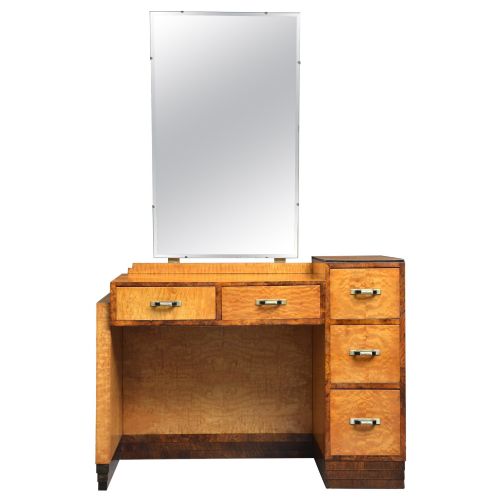
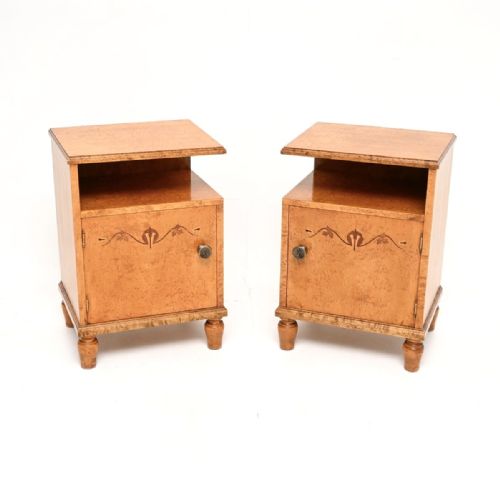
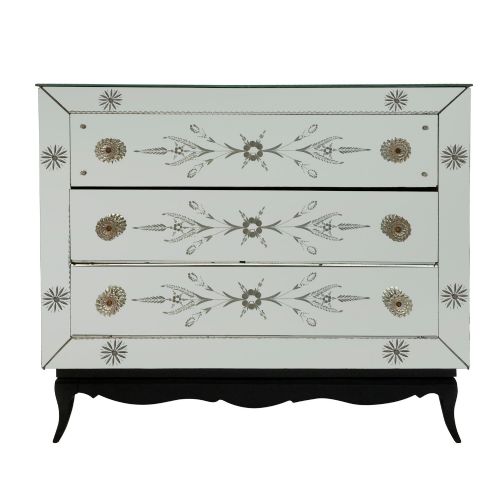
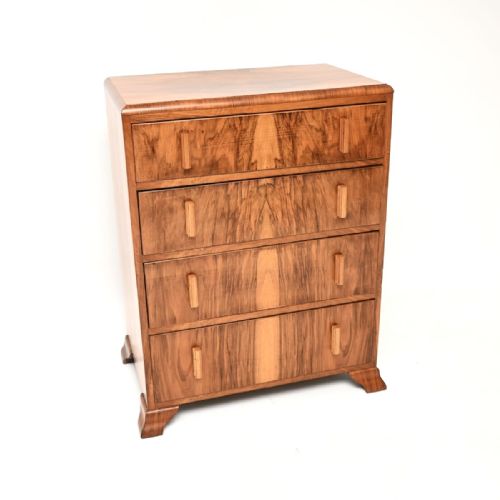
Smaller companion pieces feature heavily in this category, notably bedside tables, dressing tables, and chests of drawers. English and continental workshops produced these in substantial numbers during the nineteen-twenties and nineteen-thirties.
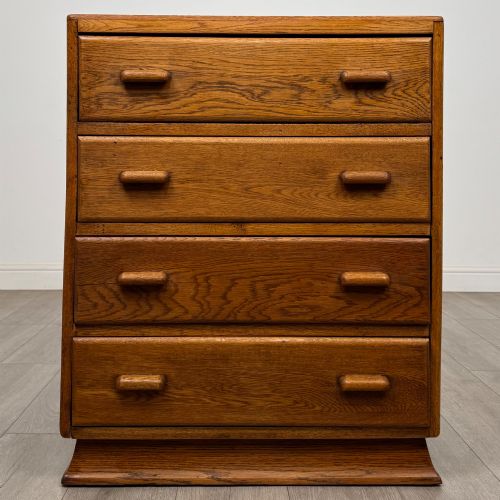
The selection also incorporates seating and beds, spanning French, Swedish, and Scandinavian interpretations alongside domestic English production. Pieces range from modest oak items to elaborate breakfront wardrobes and asymmetrical vanity tables.
Materials and construction
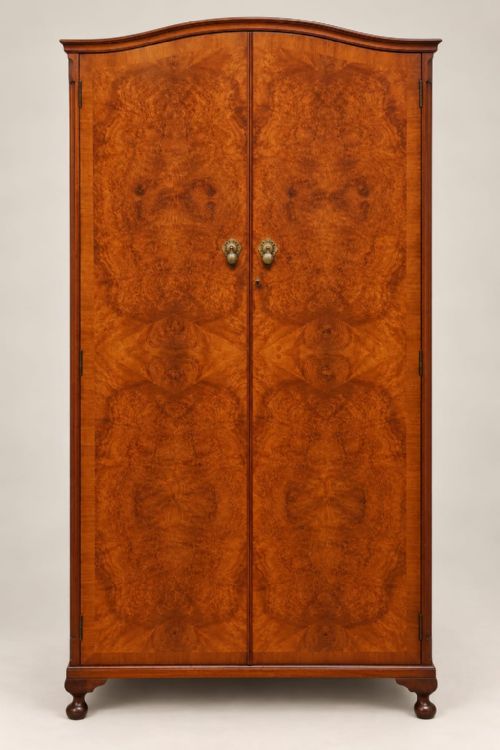
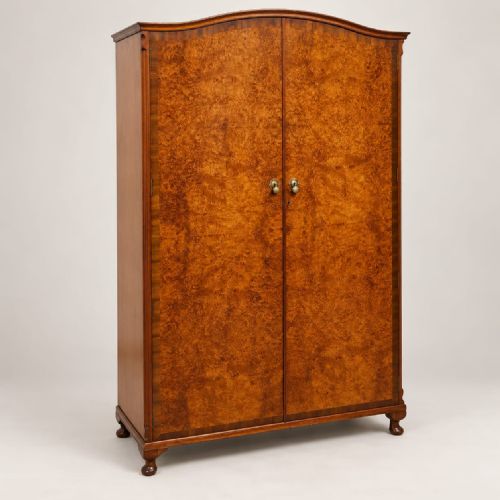
Cabinet makers relied heavily on decorative veneers, selecting burr walnut, figured walnut, birds eye maple, and satin birch to create striking grain patterns across large flat surfaces. These prized timbers were often contrasted with paler woods such as sycamore or mahogany, while specialised commissions incorporated parchment or metal details.
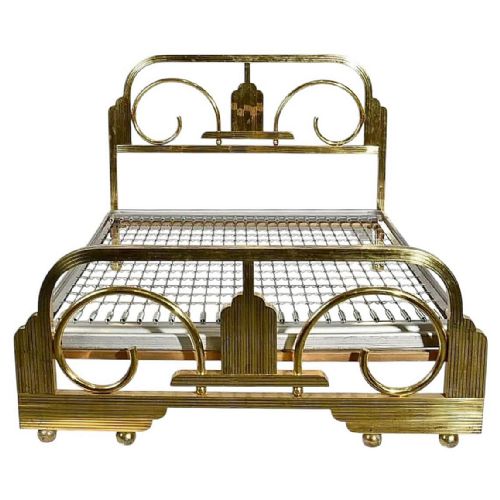
Metal components played a structural and decorative role, with brass utilised for handles, bed frames, and trim. Bakelite and glass also appear on handles, mirrors, and surface insets, reflecting the industrial materials adopted by furniture makers during the interwar decades.
Some dressing tables hide ingenious pivoting mirrors that transform a neat wooden console into a full vanity setup with a single gentle swing.
Evaluating craftsmanship
Quality in these pieces rests upon the selection and matching of wood veneers across the facade. Superior examples display symmetrical grain patterns that flow seamlessly across multiple drawers or wardrobe doors, demonstrating careful planning by the cabinet maker.
Construction methods and hardware distinguish standard production from exceptional work. Maker attribution to firms like Hille, Heals, Waring & Gillow, or Harrods often indicates superior internal construction, solid secondary timbers, and original matching handles.
Hille·Heals·Walter Carter Harrods·Waring & Gillow
The Art Deco Bedroom Glossary
- Burr walnut
- A veneer taken from the growth growths or burls of a walnut tree, highly prized for its swirling, intricate grain patterns. Cabinet makers used it extensively on wardrobe doors and drawer fronts during the interwar period.
- Compactum
- A multi-functional wardrobe combining hanging space with internal drawers, shelves, and shoe racks. These fitted pieces maximise bedroom storage within a single footprint.
- Tallboy
- A vertical chest of drawers standing higher than a standard chest, often combining smaller top drawers with deeper lower compartments. This form saves floor space while offering substantial capacity.
- Odeon style
- An architectural and decorative style within the movement inspired by cinema design, featuring tiered steps, curved corners, and monumental symmetry. It appears frequently on bed frames and wardrobe cornices.
- Limed oak
- Timber treated with a white pigment rubbed into the open grain to create a pale, bleached finish. This treatment became popular in British furniture design during the nineteen-thirties.
Art Deco Bedroom: Frequently Asked Questions
How do I match different wood tones?
Combining walnut and oak pieces works well if the grain patterns share a similar warmth and era. Keep wall colours neutral to let mixed wood tones sit comfortably together without visual competition.
Avoid placing too many dark burr walnut pieces in a compact room, as heavy grain patterns dominate small spaces quickly. Balance darker wardrobes with paler maple or sycamore dressing tables to maintain an even light level.
Will a vintage wardrobe fit modern clothes?
Interwar wardrobes often feature shallower hanging depths than modern designs because coat hangers were smaller then. Check internal front-to-back measurements before purchasing if you plan to store bulky winter coats.
Many vintage cabinets include modular internal shelving or half-depth compartments alongside the main hanging space. These sections suit folded knitwear and accessories better than standard contemporary rail setups.
How do I identify French pieces?
French furniture from this era often incorporates more adventurous geometry and exotic materials like palisander or parchment. Look for dramatic curved silhouettes and experimental hardware that differ from conservative British designs.
Continental proportions also tend to run larger or feature distinct architectural setbacks on commodes and dressing tables. Bed frames from France frequently accommodate specific mattress sizes that require custom support.
Are bedside tables sold as pairs?
Many bedside cabinets and tables appear in matched pairs, though individual pieces also surface in marketplace listings. Pairs command higher interest because symmetry defines the layout of sleeping quarters from this era.
When buying single cabinets, use them as accent pieces beside a reading chair rather than forcing an asymmetric bedside arrangement. Mixed pairs can work if heights and wood finishes align closely.