


Art Deco Animalier
Art deco animalier sculptures capture the streamlined energy of wildlife, bringing sharp modernist lines and striking metallic forms into a room.
Art Deco Animalier
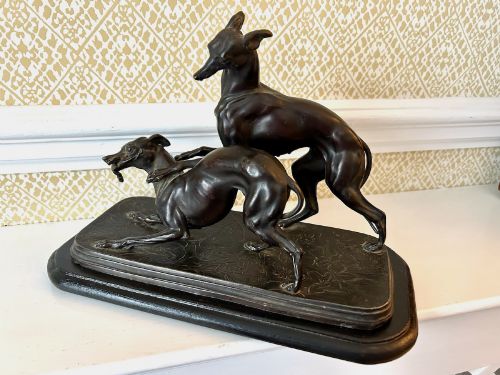
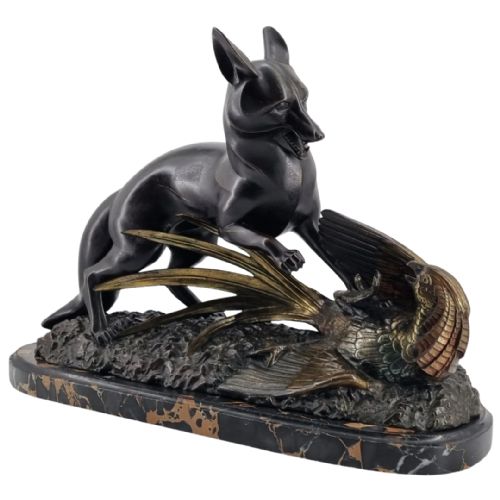
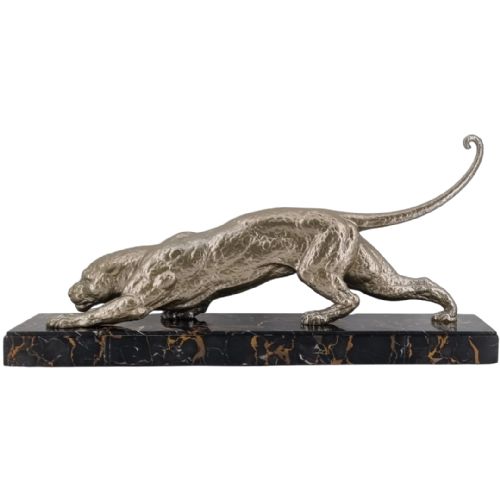
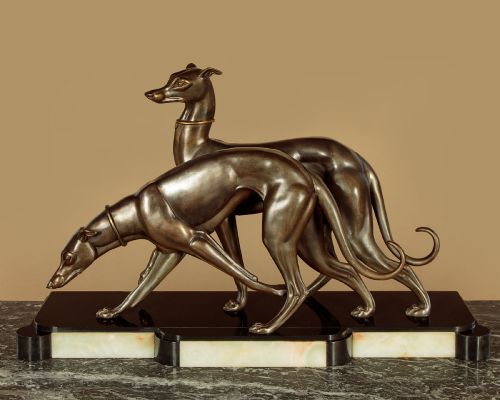
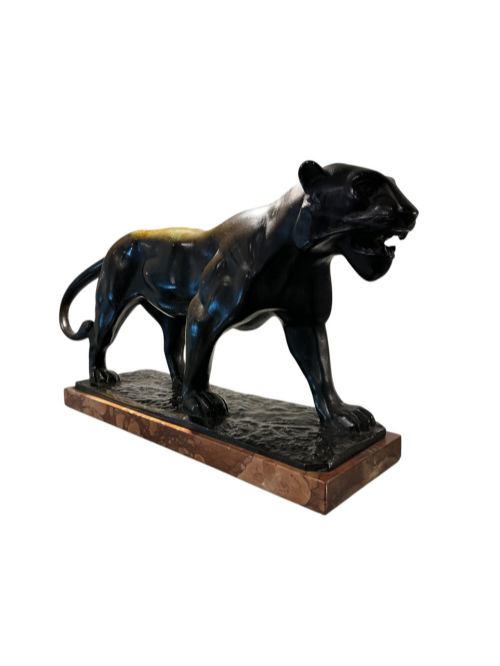
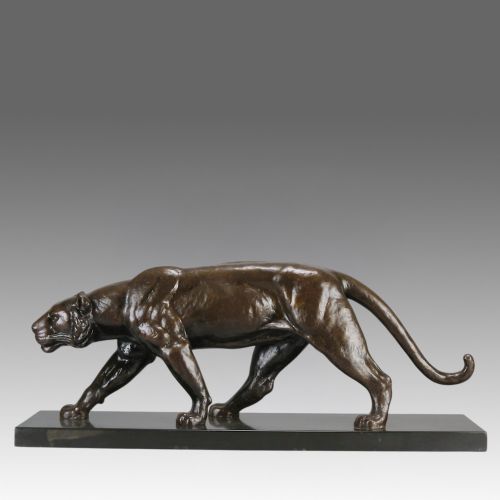
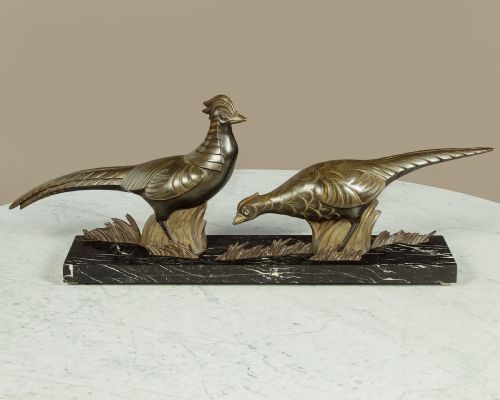
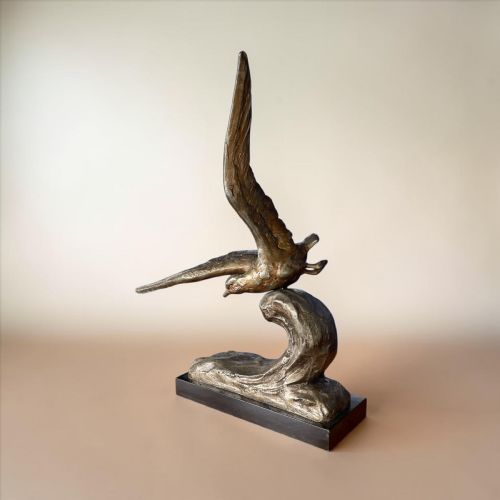
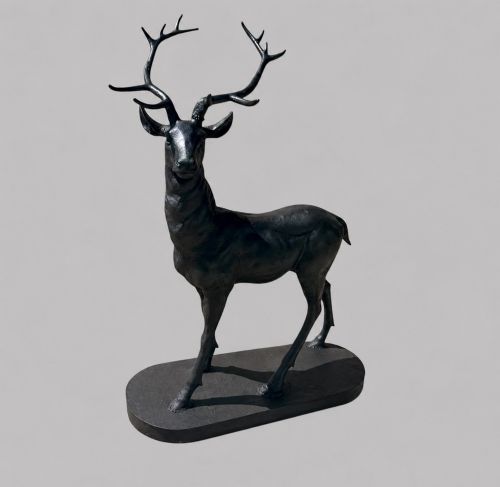
Art deco animalier works depict creatures ranging from panthers and stags to greyhounds and pheasants, translating natural forms into the geometric vocabulary of the interwar decades. The version most commonly met on this page is a single bronze or spelter cat or hound mounted upon a contrasting plinth.
Makers shaped these subjects to sit as mantelpiece sculptures or functional bookends, balancing weight and movement within compact domestic footprints. Stylised birds and fish groups also appear alongside the predatory cats and racing dogs that defined the genre.
The objects span production from the nineteen-twenties through to nineteen-forty, drawing on earlier nineteenth-century animalier traditions while embracing the sleek surfaces characteristic of the period.
How they were made
Foundries cast these figures in bronze, nickel bronze, silvered bronze, and patinated or bronzed spelter, capturing minute textures in fur and plumage. Artisans then mounted the finished metal figures onto sturdy bases of marble, onyx, alabaster, or polished wood.
Some workshops utilised carved wood or pottery instead of metal, applying surface gilding or dark patination to emphasise the stylised muscle structure of the animals. Bases were frequently layered, combining veined black or multicoloured marble with contrasting stone tiers.
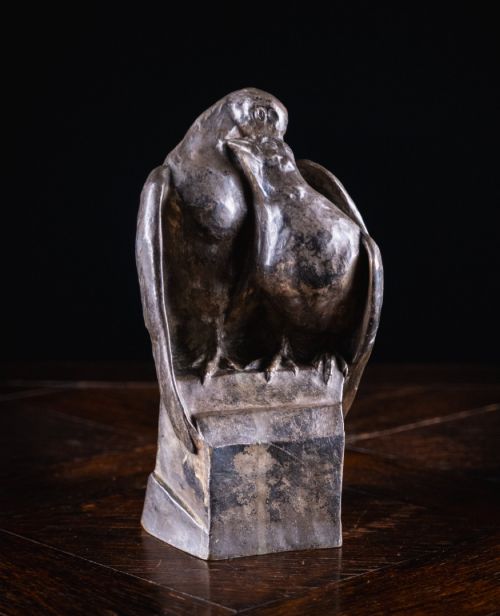
Several fierce panthers share shelf space with pairs of affectionate embrace pigeons and gentle lovebirds.
What varies in quality
Quality rests in the crispness of the casting and the expressiveness of the animal's musculature, distinguishing finely chased bronze figures from softer, later spelter variants. The integration between the sculpture and its heavy stone base indicates the care taken during initial assembly.
Signed works by documented artists display sharper facial details and more dynamic postures than anonymous commercial output. The richness of the patina and the quality of the marble plinth further separate standard production from exceptional studio pieces.
Alexandre Ouline·C Omin·Eugene Emile Borga·C Masson·Karl Hagenaur·Guido Cacciapuoti·Chiparus·Michel Decoux·P.MAREC·I. Rochard·Louis-Albert Carvin
The Art Deco Animalier Glossary
- Animalier
- A term for art that depicts animals, particularly sculptures focusing closely on the anatomy and movement of wildlife. This tradition shifted during the interwar period toward stylised modernist geometries.
- Spelter
- A zinc alloy commonly used as a cost-effective alternative to bronze during the period. It accepts patination well but requires careful handling due to its softer composition.
- Patina
- The surface sheen or colour developed naturally over time or applied chemically by the foundry. It accentuates the contours of the metal work.
- Plinth
- The solid base or block upon which the sculptural figure is mounted. These were frequently cut from contrasting marble, onyx, or wood.
Art Deco Animalier: Frequently Asked Questions
What materials make up art deco animalier sculptures?
Foundries used bronze, silvered bronze, nickel bronze, and spelter for the animal figures, pairing them with bases made from marble, onyx, alabaster, and wood. Guido Cacciapuoti also produced pottery variants.
Most pieces combine a cast metal creature securely fastened via threaded bolts to a heavy stone plinth designed to anchor the weight.
How were these animalier pieces used originally?
Owners placed them on mantelpieces, sideboards, and executive desks as decorative focal points that reflected modern tastes in interior design. Heavier pairs were also cast specifically to function as decorative bookends.
Their compact proportions allowed them to integrate easily into domestic shelving and library spaces during the interwar period.
How do I tell bronze from spelter?
Bronze is heavier, colder to the touch, and yields a resonant ring when tapped lightly, whereas spelter is softer and more prone to surface fatigue. Spelter figures often show traces of grey metal beneath worn patination.
Examining the underside or mounting points usually reveals the distinct density and colour differences between the two alloys.
Are all pieces signed by the artist?
Many sculptures bear cast or engraved signatures on the body or the marble base, though numerous commercial works remain anonymous. Signatures ranged from full names to monograms applied directly into the hot wax or mould.
An unmarked piece can still display high casting quality, though documented signatures connect the work directly to known studio production.
How do I care for marble and metal figures?
Dust metal surfaces gently with a dry, soft cloth and avoid chemical polishes that can strip original patination. Marble bases require simple wiping with a damp cloth followed by immediate drying.
Keep the sculptures away from direct sunlight and damp environments to preserve the integrity of both the stone and the metal.