



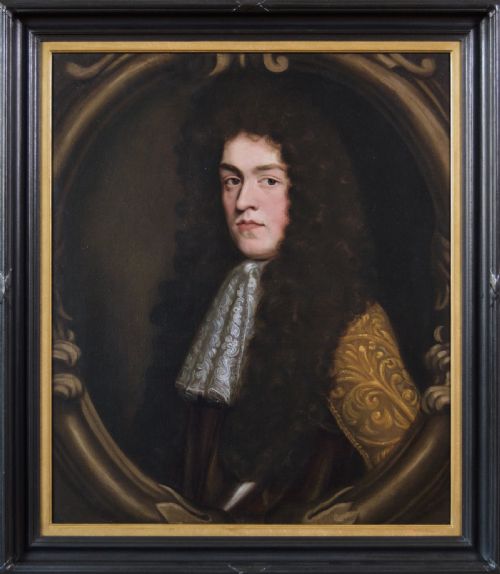


Aristocratic Gentleman Oil Painting
An aristocratic gentleman oil painting captures elite status and authority through grand portraiture, offering a glimpse into centuries of distinguished heritage.
Aristocratic Gentleman Oil Painting
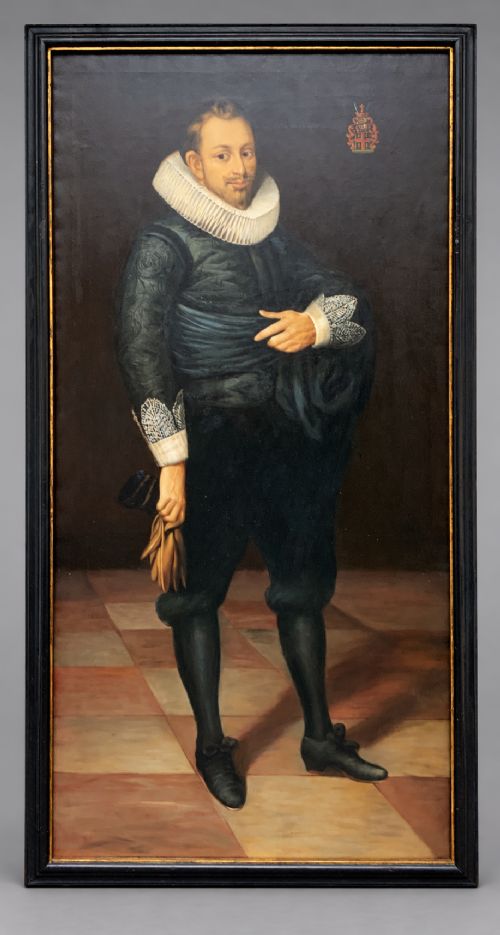
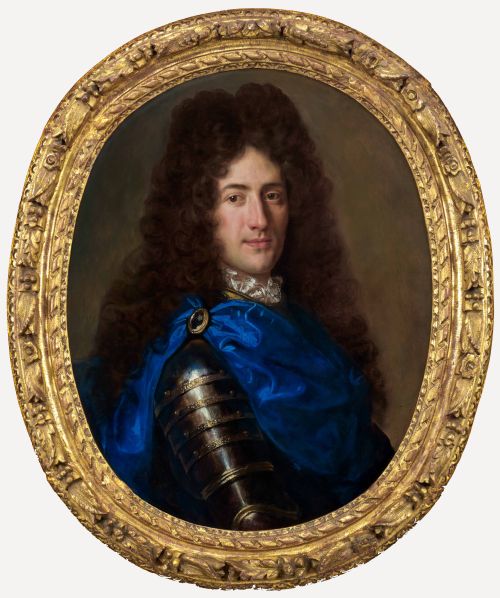
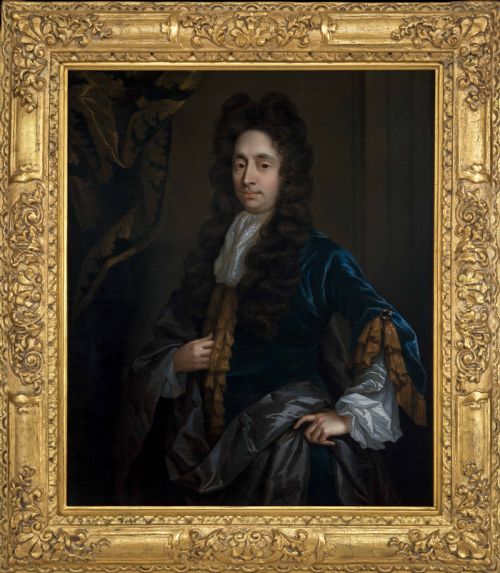
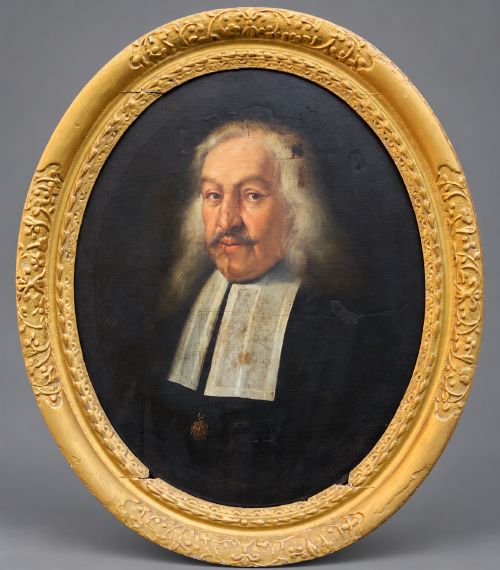
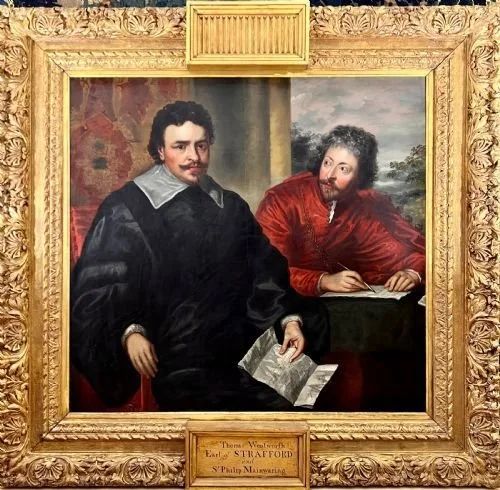
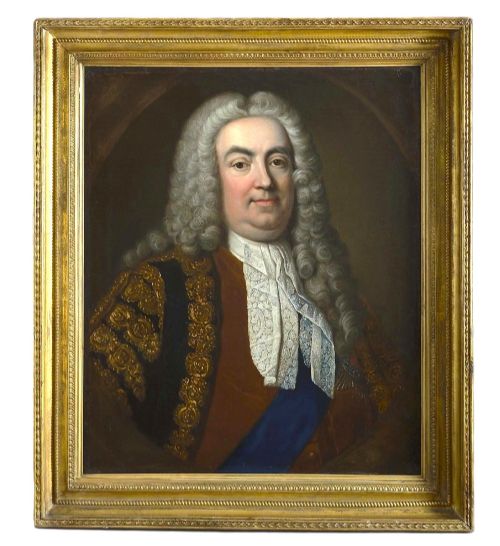
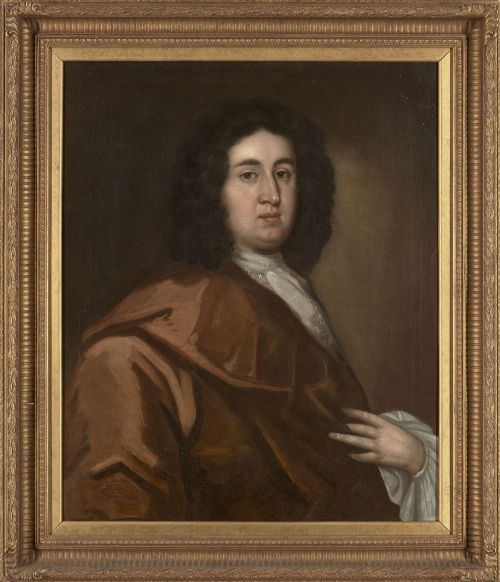
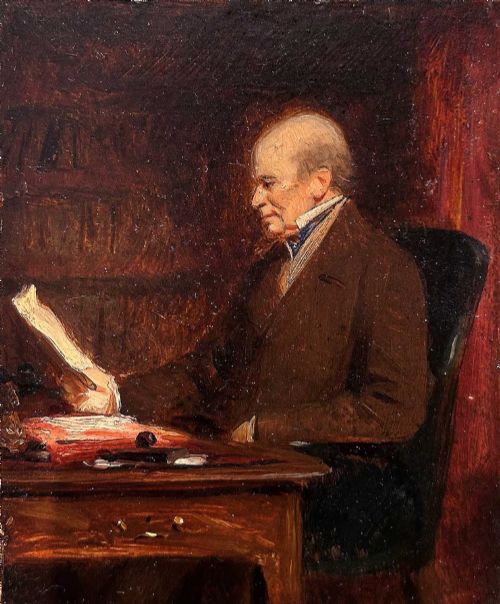
An aristocratic gentleman oil painting represents male subjects of high social rank depicted in formal attire, armour, or academic dress. These works span from the seventeenth century through the Victorian period, embracing styles such as Baroque, Regency, and Dutch Golden Age traditions.
Buyers frequently encounter seventeenth-century English and continental school portraits showing sitters in elaborate cloaks or breastplates. Later examples from the eighteenth and nineteenth centuries include Regency and Victorian depictions of earls, prime ministers, and military commanders.
How they were made
These works rely on traditional oil paint applied to stretched canvas surfaces using layered brushwork. Artists built depth through successive glazes, capturing the sheen of satin, velvet, and steel armour.
Frames utilise gold leaf applied over wood substrates, often incorporating carved giltwood ornamentation to complement the scale of the canvas. The preparation of the ground and pigment mixture determined the longevity and stability of the paint layer.
Aristocratic Gentleman Oil Painting Retail Price Guide 2026
Typical asking prices for aristocratic gentleman oil painting among the pieces listed under this phrase on Sellingantiques today, from the lower quarter to the upper quarter. They describe what is for sale here now, not the wider market.
Materials documented across these portraits include oil paint, canvas, gold leaf, and carved giltwood frames.
What varies in quality
Quality rests upon the skill of the brushwork in capturing facial likeness, fabric texture, and psychological depth. Prime works from master circles display nuanced handling of light on skin and costume, whereas lesser pieces rely on formulaic repetition.
Condition of the canvas and original paint surface dictates distinction. Retaining untouched pigment layers without extensive overpainting elevates a piece above canvases that have suffered heavy restoration.
Joseph Vivienne·Constantyn Netscher·John Closterman·Mary Beale·Willem Wissing·Sir Godfrey Kneller·John Michael Wright·Sir William Beechey·Henry Wyatt·John Partridge·Stephen Pearce
The Aristocratic Gentleman Oil Painting Glossary
- Circle of
- A designation indicating the artist worked in close association with a master, sharing style and technique during the period. This term denotes high-level workshop proximity.
- Giltwood
- Wood carved and covered with a thin layer of gold leaf or gold paint. This material forms the ornate frames typical of elite portraiture.
- Oil on Canvas
- Pigment bound in an oil medium spread across a woven textile support. This combination provides flexibility and rich tonal range.
- Baroque
- An artistic style characterised by drama, deep shadow, and rich ornamentation. Portraits in this manner emphasise movement and grandeur.
Aristocratic Gentleman Oil Painting: Frequently Asked Questions
How do I identify a 17th-century portrait?
Look for specific markers in costume such as lace cravats, steel armour, and azure cloaks. Seventeenth-century works often employ dramatic chiaroscuro lighting influenced by Baroque traditions.
Examine the canvas preparation and stretcher construction for period techniques. Attribution notes referencing specific schools or circles also help date the work accurately.
Where should I hang a large oil painting?
Position these works in principal reception rooms or hallways with balanced ambient light. Ensure the wall space accommodates the heavy giltwood frames typical of these historic pieces.
Avoid direct sunlight to protect the oil pigments from fading. Maintain stable room humidity to preserve both the canvas and the wooden support structure.
What does attribution to a circle mean?
Attribution to a circle indicates that an anonymous artist produced the work while closely associated with a master's studio. These painters absorbed the exact techniques and stylistic traits of the primary artist.
Such works offer high artistic merit from the period without bearing the master's personal signature. They represent the professional standard of major historical workshops.
How do I care for antique canvas paintings?
Keep paintings away from direct heat sources and dramatic temperature shifts to prevent canvas slackening. Dust the surface and frame gently with a soft, dry brush.
Refrain from using water or chemical cleaners on the paint layer. Consult a professional conservator for any structural repairs or surface cleaning needs.