


Architectural Wooden Carving
Architectural wooden carving brings structure and historical texture indoors through salvaged panels, columns and brackets shaped by centuries of hand carpentry.
Architectural Wooden Carving
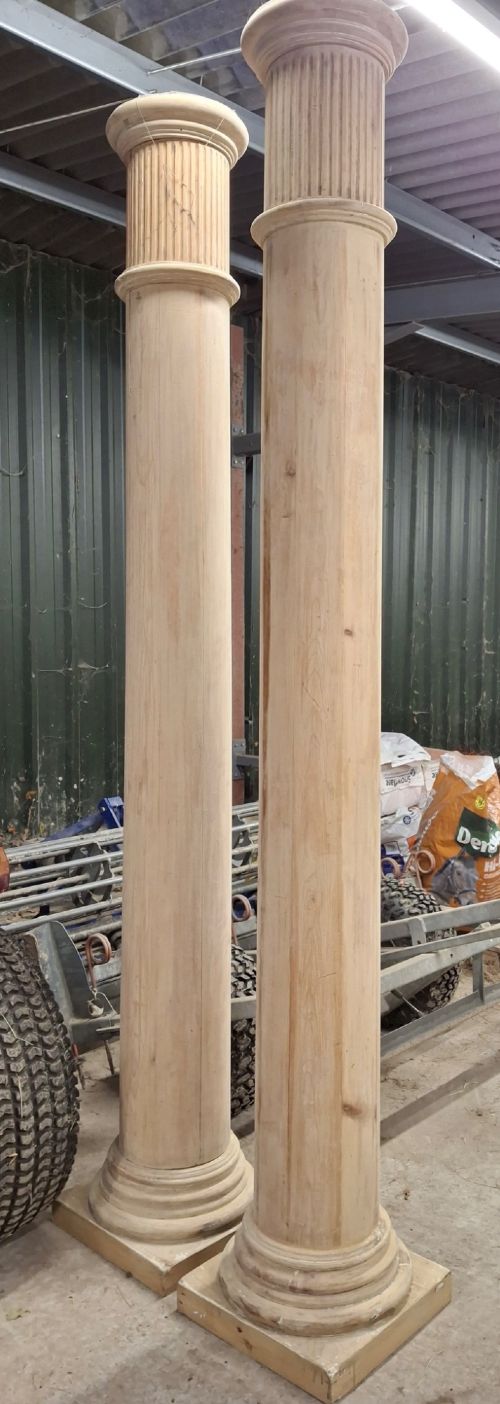
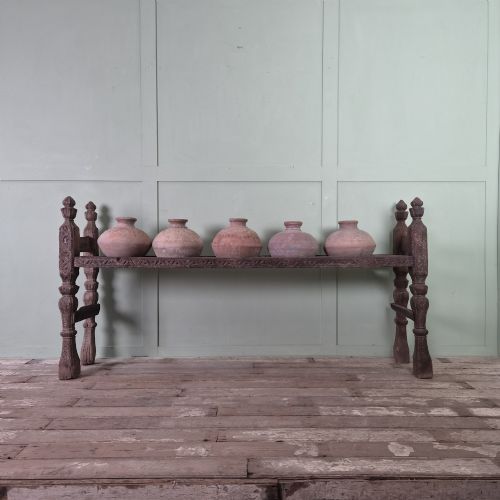
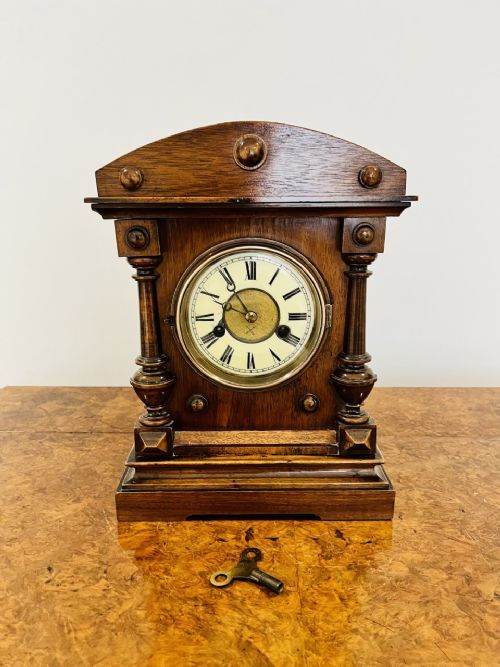
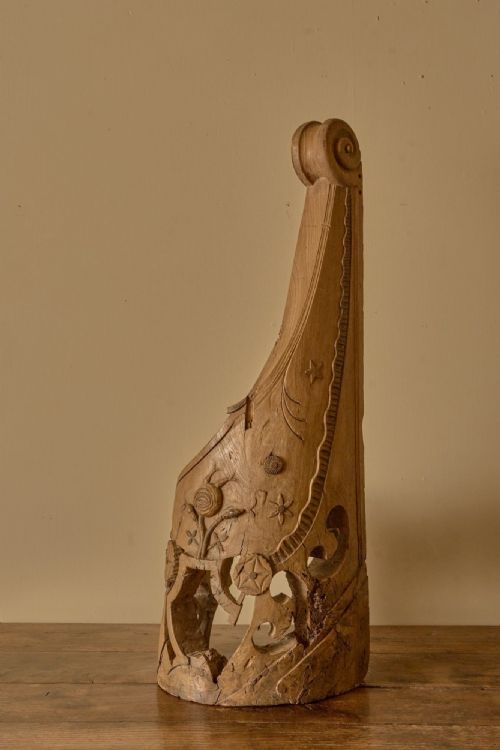
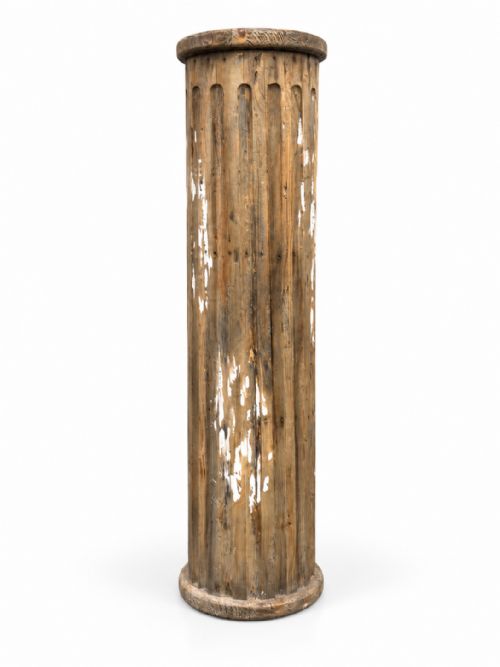
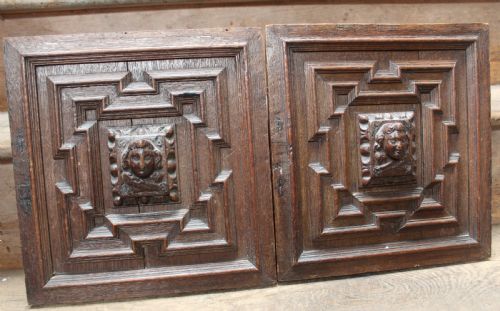
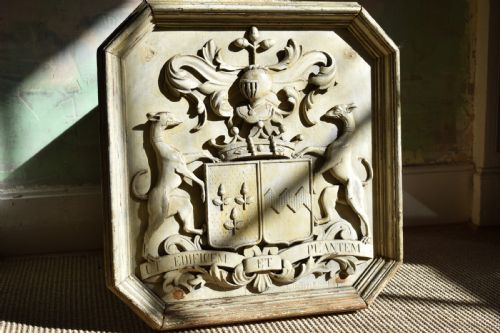
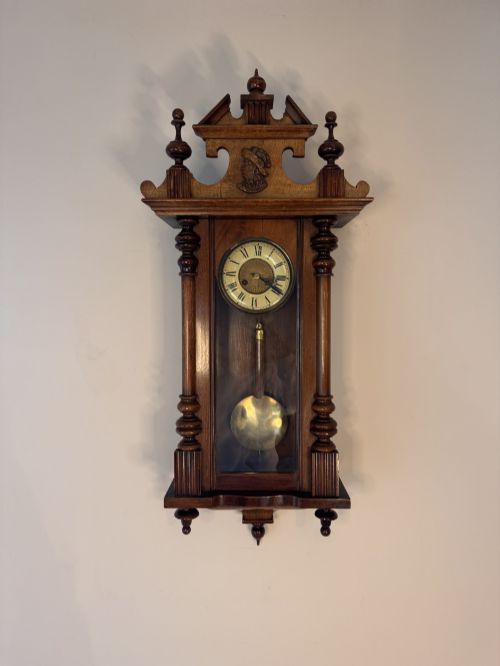
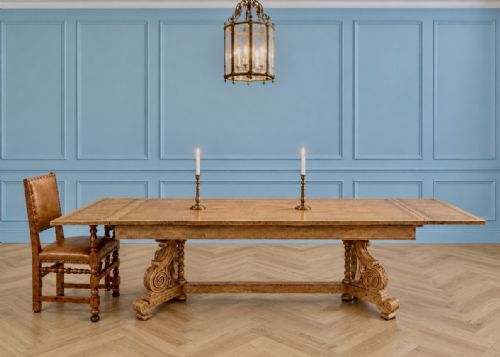
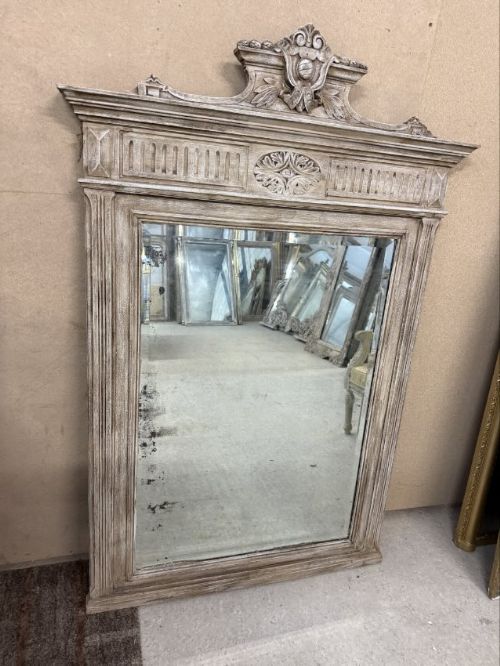
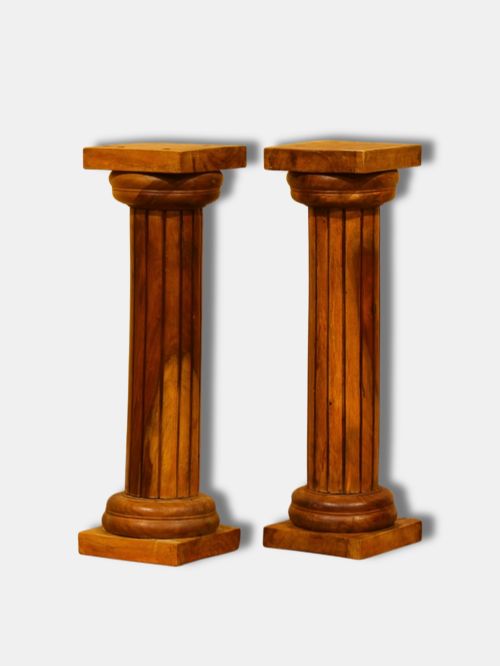
Architectural wooden carving comprises salvaged elements and decorative fixtures removed from historic buildings, churches and furnishings, spanning periods from the seventeenth century to the early twentieth century. Pieces include oak panels with Gothic tracery, walnut wall brackets, church pulpits, bed canopies and carved columns that once formed structural or ornamental parts of larger interiors.
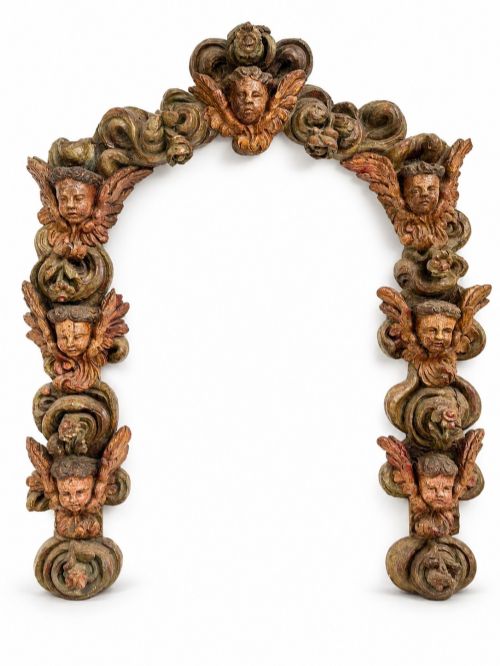
Items originate from diverse domestic and religious contexts across Britain, continental Europe and further afield, including French church fragments and Oriental temple pediments. Buyers select these works to anchor modern rooms in traditional craftsmanship or to repurpose as focal wall art.
Materials and construction
Oak and walnut dominate the inventory, chosen for their density, durability and suitability for deep, crisp chisel work by period joiners. Timber was seasoned, planed and joined using traditional methods before craftsmen applied hand-carved relief, linenfold patterns or tracery directly to the structural grain.
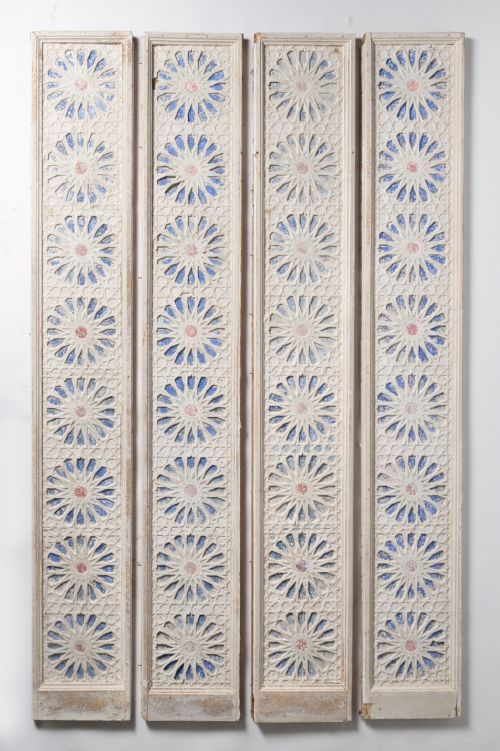
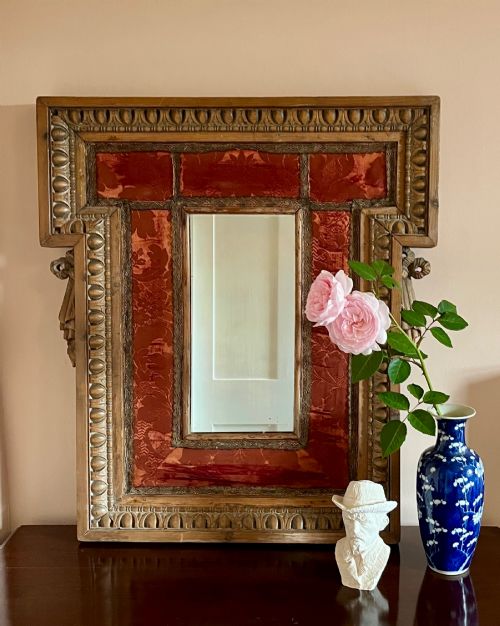
Surface treatments vary from bare timber and polished wax to applied gesso, paint, polychrome pigments and gold leaf, particularly on continental church carvings and gilt mirror frames. Salvaged elements often display the tool marks and weathering acquired during centuries of architectural use.
Architectural Wooden Carving Retail Price Guide 2026
Typical asking prices for architectural wooden carving among the pieces listed under this phrase on Sellingantiques today, from the lower quarter to the upper quarter. They describe what is for sale here now, not the wider market.
Listings span four centuries of architectural joinery, with seventeenth-century oak carvings and eighteenth-century panels appearing alongside Victorian Gothic revival pieces.
Distinctions in execution
Quality rests upon the depth, sharpness and anatomical or geometrical precision of the hand carving, where confident chisel work distinguishes master workshops from utilitarian joinery. Crisp undercutting, symmetrical balance in pairs of columns or brackets, and the preservation of original polychrome, gesso or gilding elevate an architectural fragment.
The integrity of the timber ground and the proportional harmony of surviving elements determine the visual impact of panels, pediments and capitals. Pieces retaining their original surface patination without aggressive modern stripping command greater attention from collectors.
D.J. McLauchlan·German H.A.C.·W. Grey & Co
The Architectural Wooden Carving Glossary
- Newel post
- The principal post at the foot or landing of a staircase supporting the handrail. These structural supports often carried decorative carved finials or architectural turnings.
- Linenfold
- A style of wood panel carving popular in the Tudor period that imitates folded linen. The vertical panels create a textile-like texture across domestic and ecclesiastical joinery.
- Tracery
- Openwork stonework patterns translated into wooden joinery, particularly associated with Gothic architecture. It defines the intersecting ribs found in church screens and panel heads.
- Pediment
- A triangular or curved architectural crown placed above doors, mirrors or cupboards. These decorative caps frequently display carved floral baskets, cherubs or heraldic motifs.
- Solomonic column
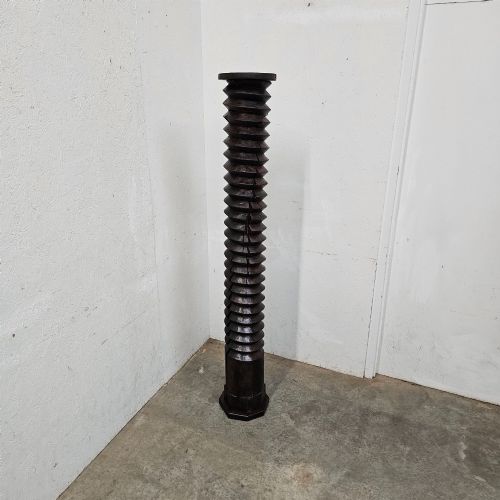
- A spiral twisted column characteristic of Baroque architecture. This dynamic form creates movement and dramatic light reflection in timber pillars and lamp bases.
Architectural Wooden Carving: Frequently Asked Questions
How do I hang heavy architectural panels?
Heavy carved timber panels require secure wall fixings anchored directly into masonry or structural studs rather than plasterboard alone. Heavy items benefit from custom metal battens or concealed french cleats that distribute the weight evenly across the back of the wood.
Ensure the hanging method accommodates the natural seasonal movement of old timber without placing undue stress on joints or carved relief. Professional installation is recommended for monumental pieces and large overmantels.
Can I use exterior architectural carvings indoors?
Most antique carvings were created for sheltered interior environments such as churches, halls and formal rooms. Placing historic timber outdoors exposes the wood and any gesso, paint or gold leaf to moisture and frost that causes rapid deterioration.
Keep salvaged panels, columns and brackets within climate-controlled interior spaces to preserve their historic surface patination and prevent the timber from splitting.
How do I clean antique carved wood?
Dust carved wooden surfaces gently with a dry, soft-bristled brush or a lint-free cloth to remove particles from deep recesses. Avoid using water, modern household cleaners or silicone polishes that can damage old wax, paint, gesso or gold leaf.
Apply a microcrystalline wax sparingly only when the timber appears dry, buffing lightly after application to maintain the natural sheen of the aged surface.