




Architectural Wall Brackets
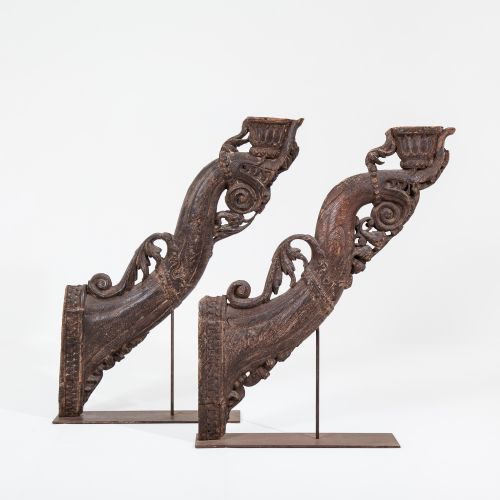
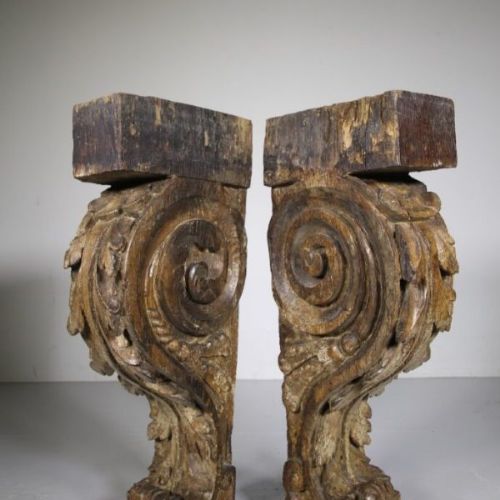
Architectural wall brackets bring sculptural weight and historical structure to an interior, offering robust ledges and carved supports shaped from timber, iron, and stone.
Architectural Wall Brackets
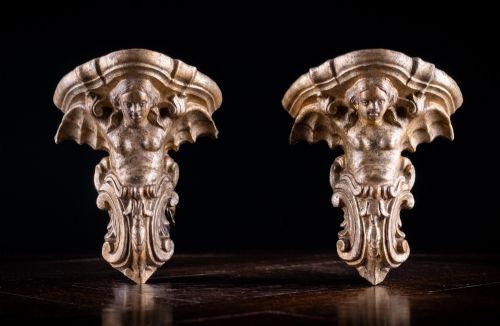
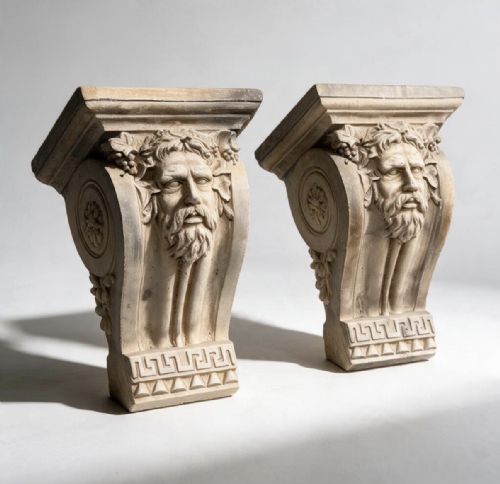
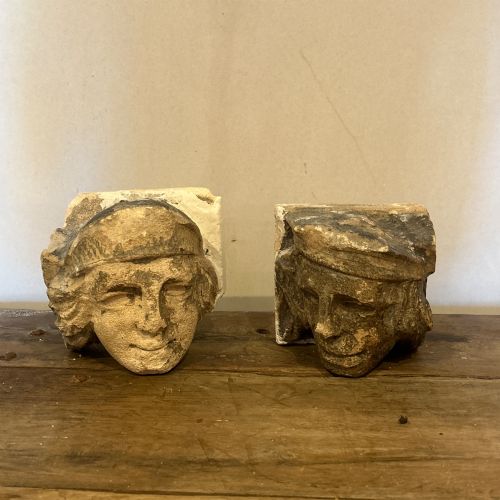
Architectural wall brackets comprise decorative and load-bearing supports salvaged from historic buildings, ranging from heavy stone corbels to carved wooden display shelves. When exploring architectural wall brackets, a buyer meets diverse regional iterations spanning the seventeenth century through to the early twentieth century.
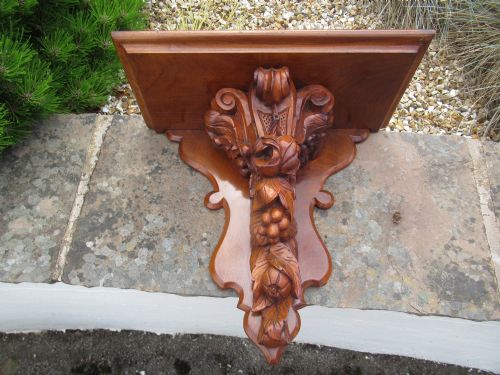
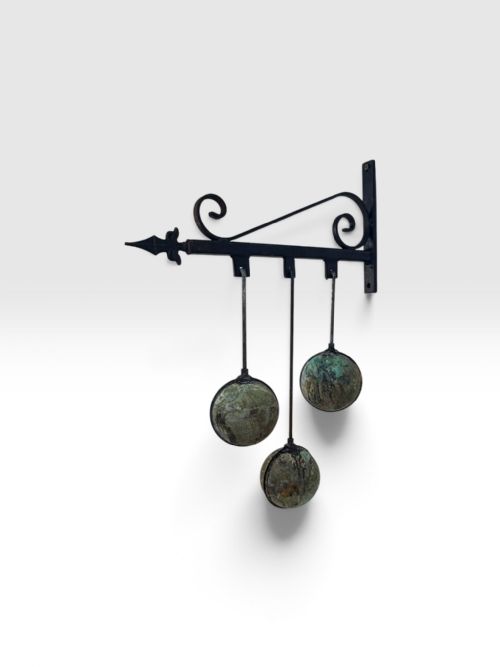
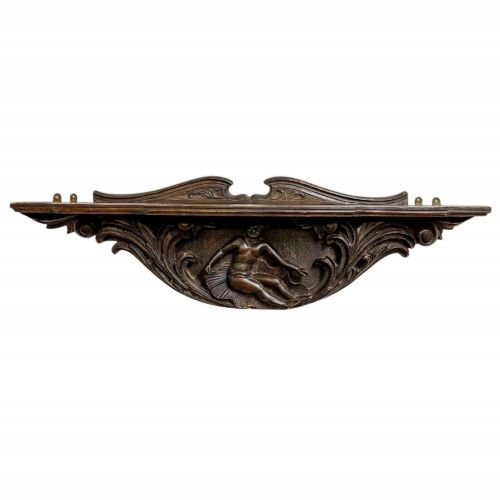
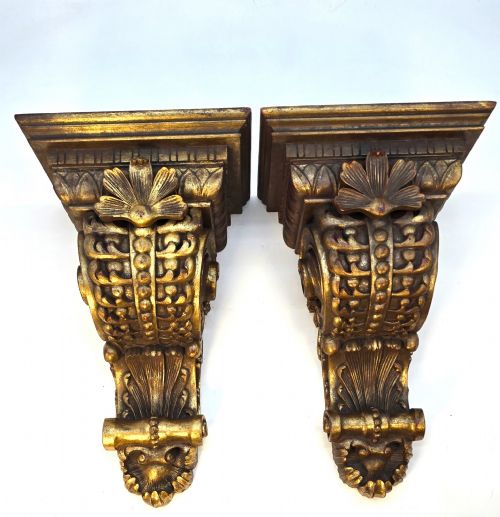
The selection includes matched pairs of Georgian carved walnut consoles, Victorian walnut display ledges, and heavy cast iron shelf supports. Common forms encompass overdoor pediments, figurative wood carvings, and utilitarian iron brackets designed for structural utility.
Origins stretch across English, French, German, Italian, and Chinese workshops, utilising local materials characteristic of their period. Pieces manifest in styles from Medieval Gothic and Renaissance revival to industrial utilitarianism.
Materials and Craftsmanship
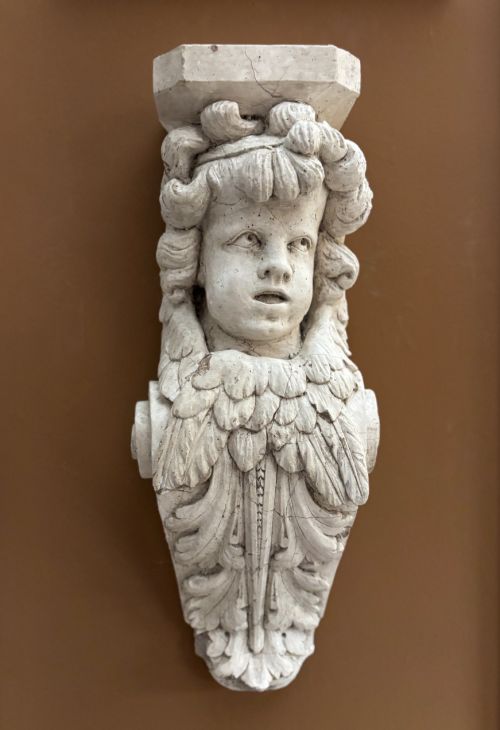
Carvers shaped timbers such as oak, walnut, rosewood, and pine using traditional chisels and gouges to create deep relief figures, acanthus leaves, and Corinthian capitals. Stonemasons and plasterers cast or chiselled limestone, terracotta, and plaster to produce substantial load-bearing corbels.
Metalworkers utilised cast iron and wrought iron, pouring molten metal into sand moulds or hammering hot iron bars into swan necks and structural shelf brackets. Guild artisans frequently applied gilt, paint, or surface finishes to wood and terracotta surfaces to enhance interior display.
Joinery methods involved solid timber construction, pegged joints, and integral mounting flanges suited to heavy wall placement.
Architectural Wall Brackets Retail Price Guide 2026
Typical asking prices for architectural wall brackets among the pieces listed under this phrase on Sellingantiques today, from the lower quarter to the upper quarter. They describe what is for sale here now, not the wider market.
Recorded periods span from the seventeenth century through Georgian, Victorian, and Edwardian eras, extending into early twentieth-century industrial designs.
Evaluating Quality
Quality rests in the crispness of the hand-carving and the depth of the relief work, where confident tool marks distinguish master carvers from standard production pieces. The integrity of the original material, whether dense old-growth oak, substantial cast bronze and iron, or fine-grained walnut, dictates the physical presence of the object.
Surface preservation matters profoundly, with untouched historic patinas, original paint layers, and genuine gilding holding greater decorative and historical weight than over-restored or stripped surfaces.
Luigi Frullini·Revo Tipton
The Architectural Wall Brackets Glossary
- Corbel
- A projecting bracket of stone, wood, or metal jutting from a wall to support a weight above it. These structural supports often terminate in carved figurative or scroll designs.
- Capital
- The uppermost member of a column or pilaster, frequently adapted as a wall-mounted decorative bracket. They display classical orders such as Corinthian acanthus foliage.
- Console
- An ornamental bracket or bracket-shaped support whose projection is typically greater than its height. These pieces often function as decorative wall-mounted display consoles.
- Pediment
- A triangular or segmental architectural gable placed above doors or windows, sometimes adapted as a decorative overdoor shelf bracket. They carry substantial carved wooden ornamentation.
- Architectural Salvage
- Building elements rescued from demolition or alteration for reuse in interior decoration. This category encompasses iron brackets, stone corbels, and carved timber capitals.
Architectural Wall Brackets: Frequently Asked Questions
How were architectural wall brackets originally used?
Historic builders integrated stone corbels and wooden brackets into masonry and timber framing to support heavy beams, balconies, and overhanging roofs. Later domestic interiors employed smaller carved consoles and display ledges to hold busts, clocks, and porcelain.
Utility brackets also served functional roles in commercial spaces, supporting trade signs, gas lamps, and heavy shelving.
How do I securely mount heavy iron or stone brackets?
Heavy cast iron brackets and solid stone corbels require direct fixing into masonry walls using appropriate structural anchor bolts to bear their significant weight. Timber brackets need attachment to wall studs or secure backing plates rather than unsupported plasterboard.
Consulting a professional installer ensures the chosen fixings match the specific density of both the wall and the antique support.
How can I distinguish seventeenth-century oak from later revival pieces?
Early seventeenth-century oak pieces display hand-riven grain patterns, traditional peg joinery, and tool marks consistent with primitive pit-sawing and deep chiselling. Iron nails and screws, where present, exhibit hand-forged irregularities distinct from machine-cut Victorian fasteners.
Wear patterns on early bearing surfaces also show centuries of authentic friction rather than simulated distressing.
Can these antique brackets support modern display shelves?
Sturdy cast iron shelf brackets and substantial wooden corbels remain fully capable of supporting modern wooden or glass display boards. Assessing the structural soundness and fixing points of each individual bracket ensures safe load distribution for books or heavy objects.