



Architectural Sculpture Wood
Architectural sculpture wood brings centuries of hand-carved panels, figures, and fragments into rooms that need weight and history.
Architectural Sculpture Wood
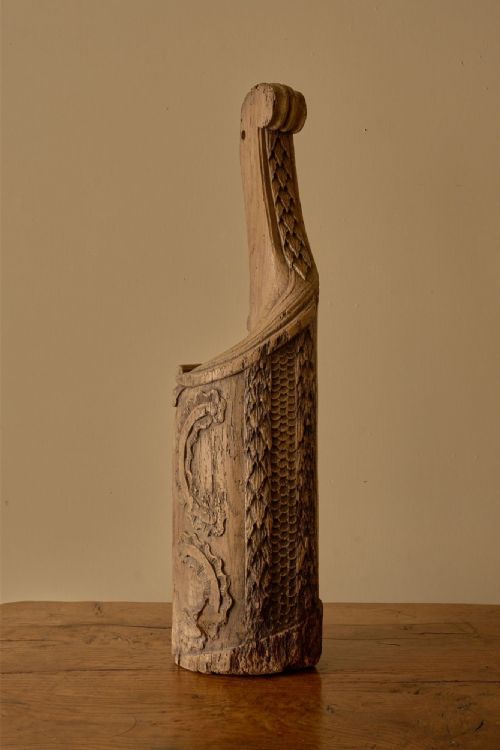
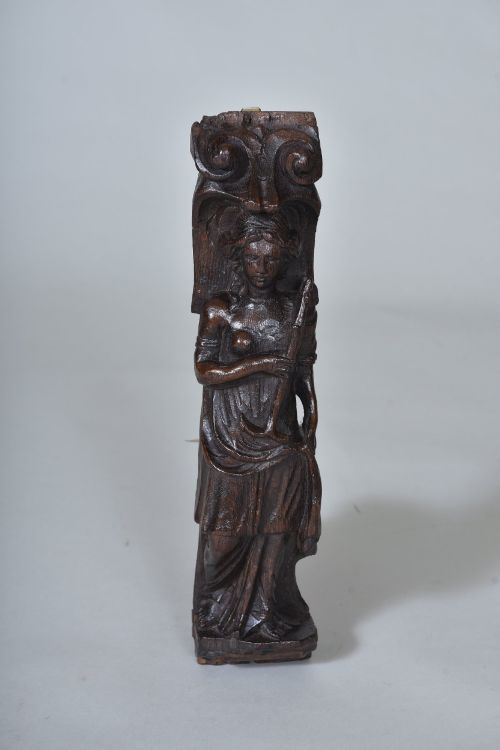
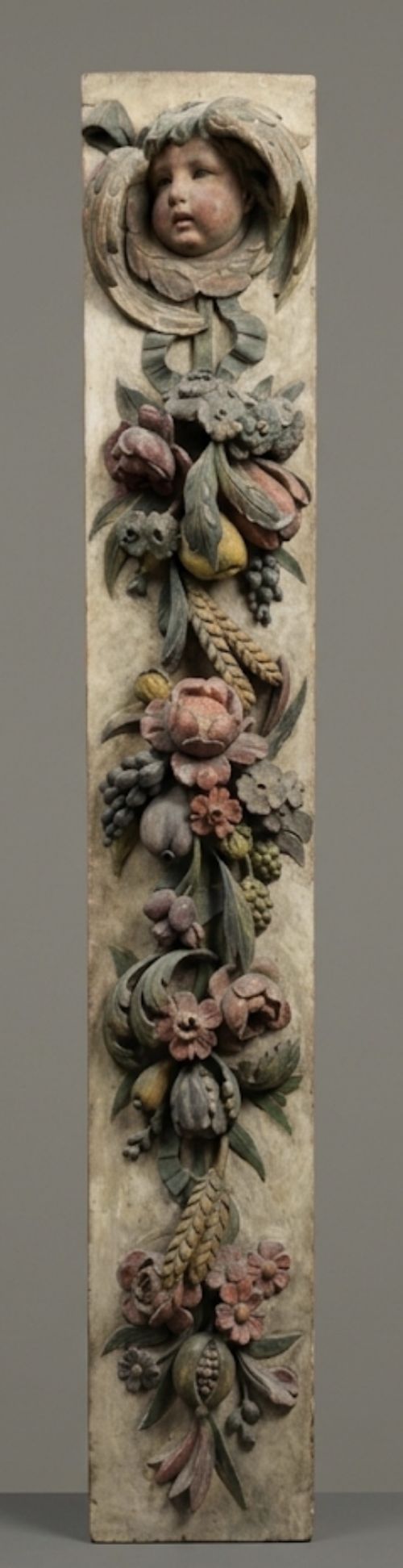
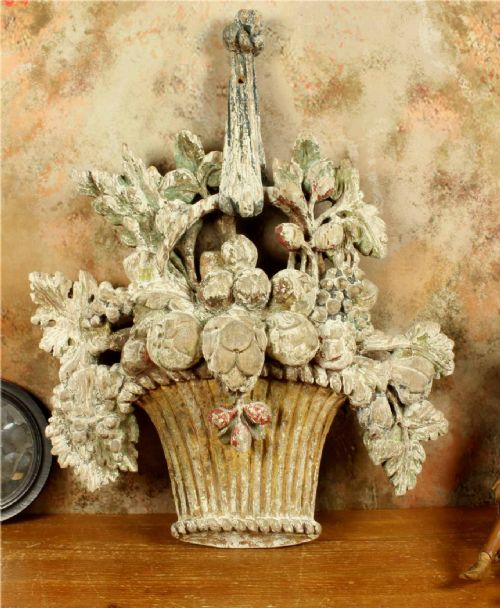
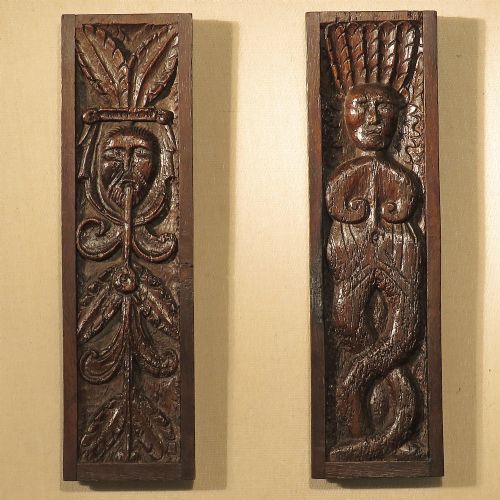
When you search for architectural sculpture wood, you encounter carved elements taken from buildings, churches, and furniture over several centuries. The selection ranges from early oak panels and figural brackets to decorative pediments and wall masks.
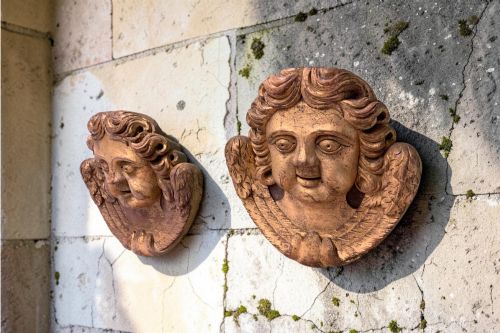
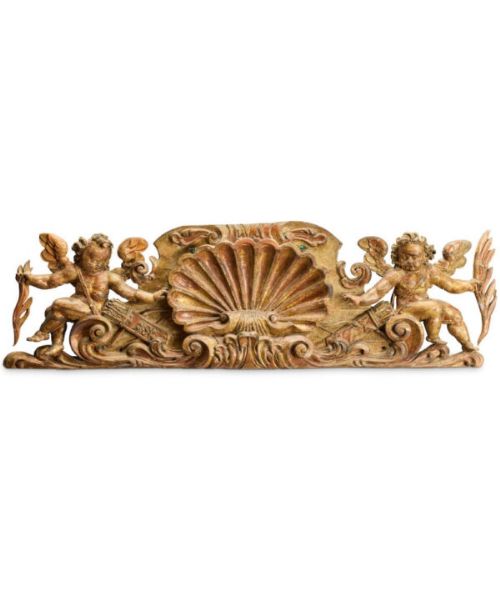
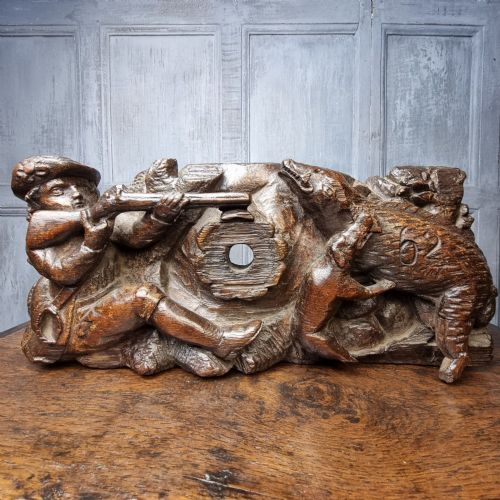
You are most likely to meet 17th and 18th-century oak and walnut carvings, often depicting cherubs, lions, or floral motifs. Pieces span European, Flemish, French, and Asian origins, including temple guards and architectural fragments.
The objects function today as wall reliefs, panels, and standalone sculptures rather than structural parts of buildings. They bring tangible age and manual skill directly to modern interior walls.
How they were made
Carvers worked primarily in solid timbers such as oak, walnut, pine, and limewood using gouges, chisels, and mallets. Hardwoods allowed for sharp, deep relief work that survived centuries without collapsing.
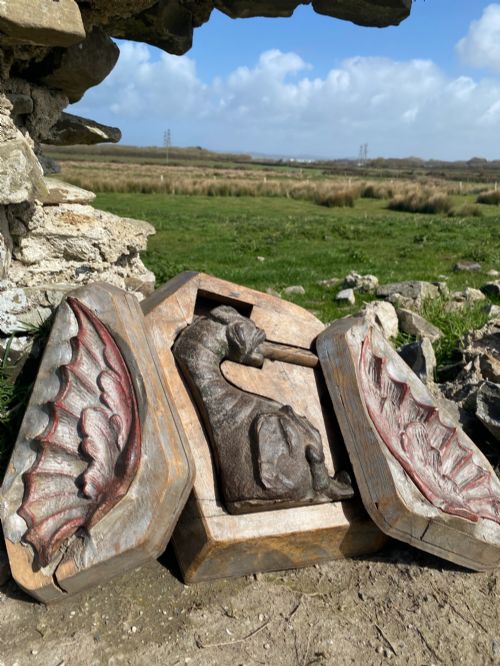
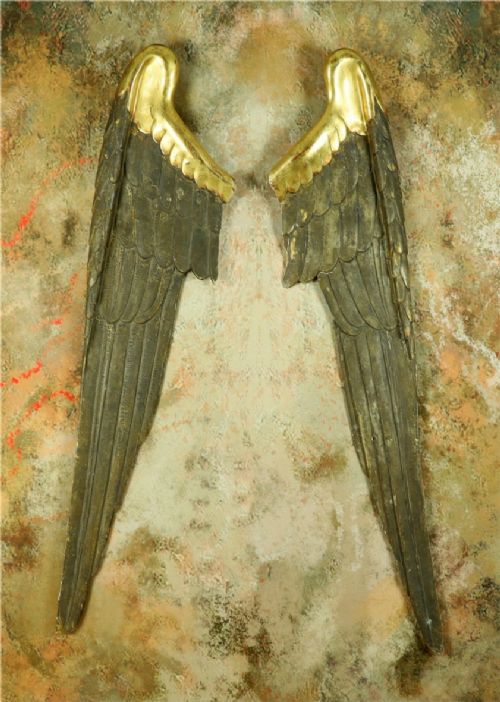
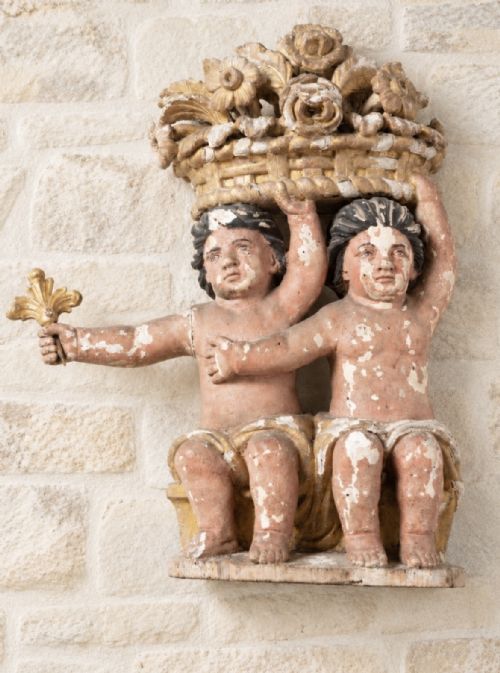
Many surfaces received applied gesso, gold leaf, or polychrome paint finishes to enhance theatrical depth under candle or daylight. These coatings often interacted with the timber beneath as centuries passed and humidity shifted.
Architectural Sculpture Wood Retail Price Guide 2026
Typical asking prices for architectural sculpture wood among the pieces listed under this phrase on Sellingantiques today, from the lower quarter to the upper quarter. They describe what is for sale here now, not the wider market.
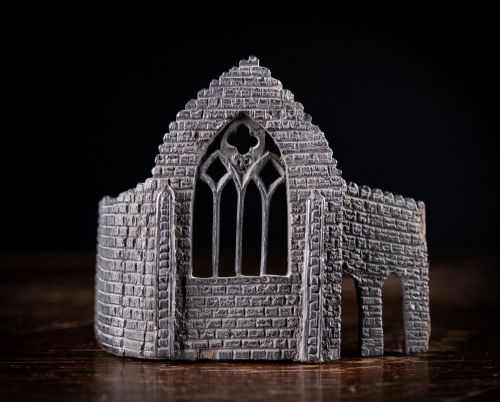
A matchstick model of a medieval house from 1910 sits quietly among centuries of heavy oak and gilded angels.
What varies in quality
Depth of carving and anatomical confidence set the finer works apart from standard decorative output. Master carvers achieved distinct muscle tension, drapery movement, and facial expression in timber.
Original surface integrity dictates the standing of a piece, whether a preserved trace of gesso, historic paint, or untouched bare oak grain. Altered proportions or heavy later sanding diminish the crispness of the original chisel marks.
Edward Pearce·Grinling Gibbons
The Architectural Sculpture Wood Glossary
- Gesso
- A plaster-like mixture applied to wood as a smooth base for gilding or painting. It provides a bright foundation that catches light differently than exposed timber.
- Pediment
- A triangular or curved architectural crowning element above a door, window, or mantel. These often featured carved wooden flora, coats of arms, or central cartouche figures.
- Putto
- A plump, naked male child figure frequently carved in Baroque and Renaissance timber work. They appear singly or in pairs as architectural supporters and decorative brackets.
- Relief carving
- A sculptural technique where figures project from a flat background panel. High relief elements remain largely detached from their timber ground, casting deep shadows.
Architectural Sculpture Wood: Frequently Asked Questions
How do I hang heavy wood carvings safely?
Heavy architectural fragments require robust brass brackets or direct screw fixings anchored into wall studs rather than plaster alone. Distribute the weight evenly to prevent stress fractures in dry historic timber.
Consult a professional installer if the piece lacks integrated hanging points or exceeds standard frame weights.
Where should I place these sculptures at home?
Mount panels at eye level in hallways, living rooms, or above fireplaces where their relief depth can catch natural side lighting. Avoid spots directly above active heat sources that dry out old wood.
Pairing dark oak panels against plain walls lets the carved details stand out clearly.
How can I tell the period of a carving?
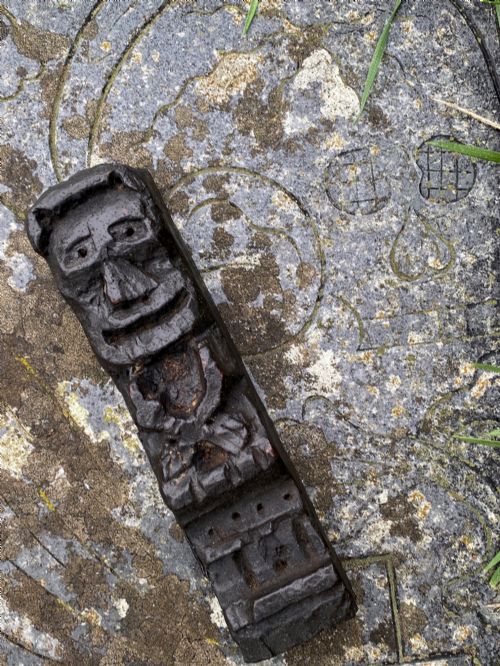
Examine the tool marks left by the carver, the species of timber used, and the style of the relief work. Sixteenth and seventeenth-century pieces typically show heavier oak construction and formal strapwork or green man motifs.
Compare the wear patterns and oxidation on the back of the panel to confirm its age.