




Architectural Salvage Ornament
Architectural salvage ornament brings historic stone, carved timber and cast metal from historic buildings and gardens into contemporary spaces.
Architectural Salvage Ornament
When you search for architectural salvage ornament, you encounter fragments removed from buildings, garden antiques and decorative elements spanning multiple centuries. These pieces originate from diverse structures, ranging from medieval religious buildings to Georgian townhouses and rural farmsteads.
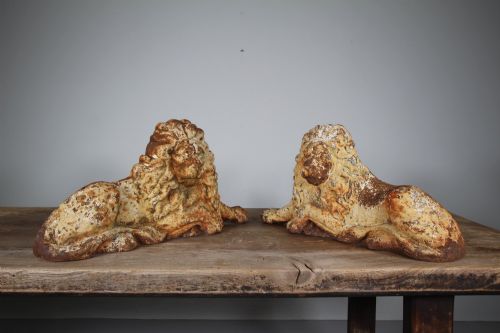
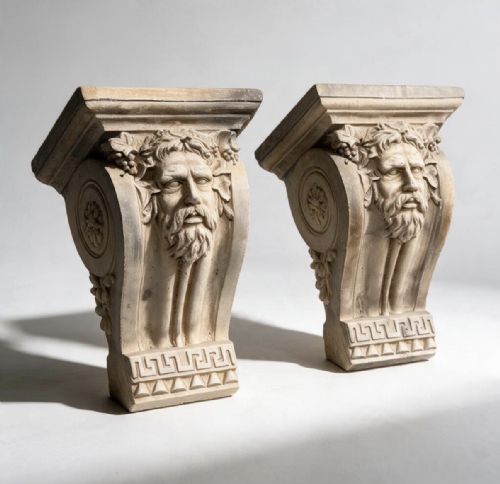
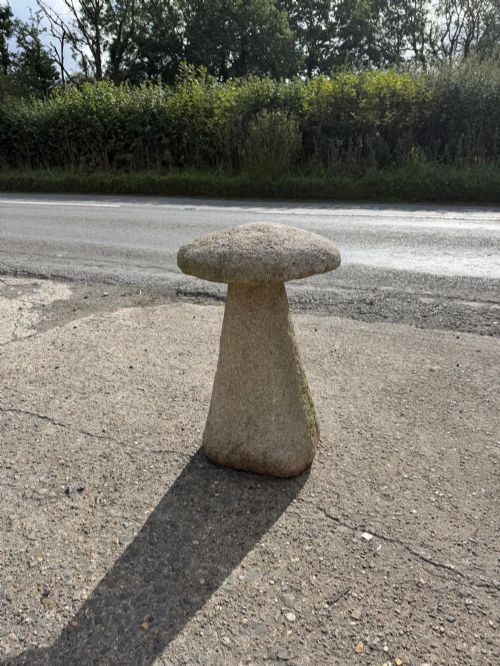
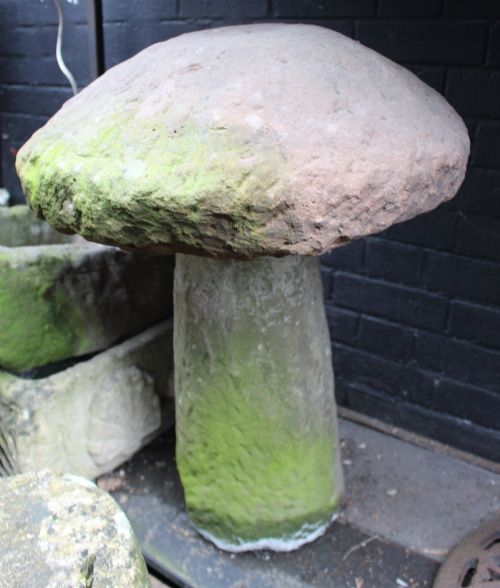
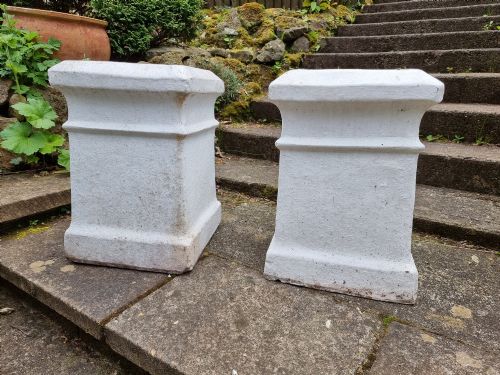
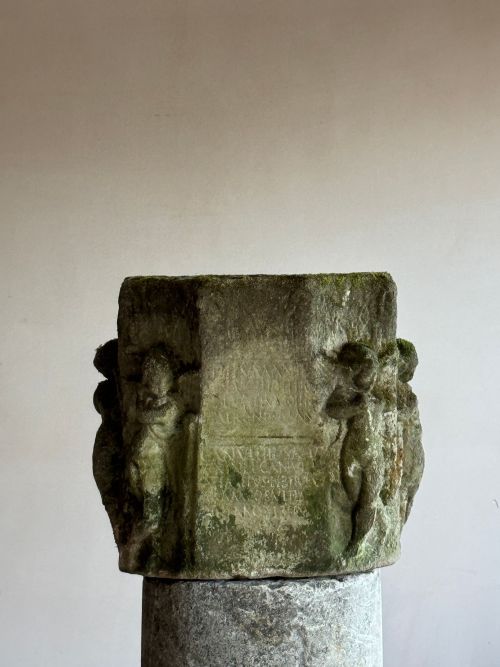
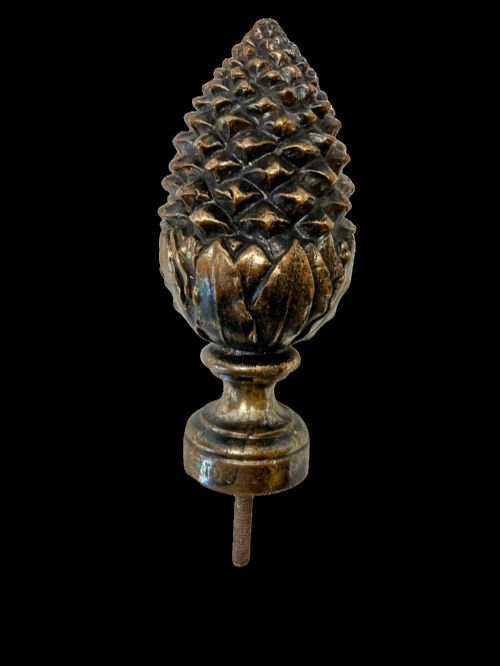
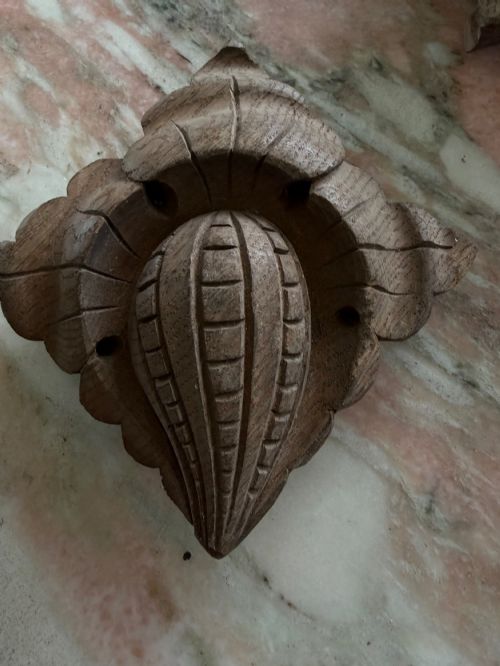
The selections on this page heavily feature carved oak ceiling bosses, limestone pinnacles, granite staddle stones and cast iron finials. Many items serve a dual purpose as garden ornaments and interior architectural antiques, retaining the weathered patinas of centuries outdoors.
Earlier examples include pre-sixteenth century medieval gothic tracery fragments and Tudor carved panels, while nineteenth-century pieces include terracotta chimney pots, boot scrapers and cast iron hitching posts.
Assessing quality and authenticity
Quality rests upon the crispness of the original hand carving and the integrity of the material itself. Pieces sourced directly from notable ecclesiastical or domestic buildings hold greater historical resonance than generic yard ornaments.
The depth and nuance of relief carving distinguish superior wooden and stone fragments from simpler production pieces. Surviving original surface treatments, such as early paint layers or silver leaf, elevate the historical interest of an artefact.
Architectural Salvage Ornament Retail Price Guide 2026
Typical asking prices for architectural salvage ornament among the pieces listed under this phrase on Sellingantiques today, from the lower quarter to the upper quarter. They describe what is for sale here now, not the wider market.
Cast iron horses, leaping stags and cast stone putti stand ready to guard the garden permanently.
Thomas Chippendale
The Architectural Salvage Ornament Glossary
- Staddle stone
- A mushroom-shaped stone support originally utilised to elevate granaries and barns above damp ground and deter vermin. These granite and sandstone pieces now frequently serve as garden ornaments.
- Ceiling boss
- A decorative projecting block of carved oak or stone placed at the intersection of ribbed vaulting in a ceiling. These architectural elements often display Tudor roses or medieval foliage.
- Finial
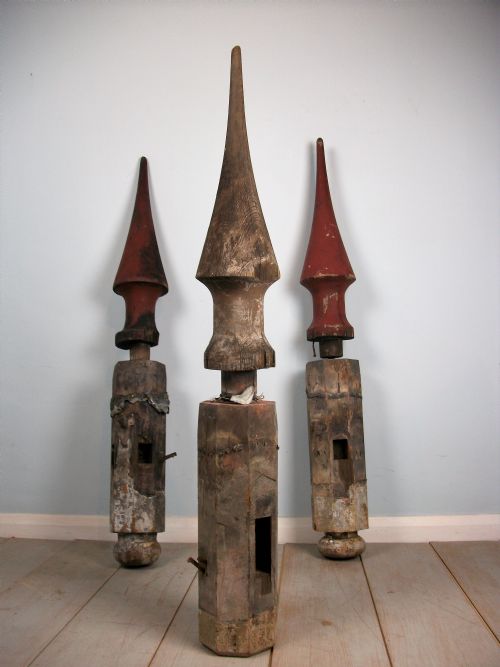
- A distinct decorative ornament that terminates the peak of a roof, spire, gable or staircase post. Materials range from carved timber and cast stone to copper and cast iron.
- Keystone
- The central wedge-shaped stone at the summit of an arch that locks the other stones into position. They are often carved with dates, initials or heraldic motifs.
- Tracery
- Openwork ornamental stone framing associated with Gothic windows and panels. Medieval fragments display intricate geometric patterns carved by hand.
Architectural Salvage Ornament: Frequently Asked Questions
What is an architectural salvage ornament?
An architectural salvage ornament is a decorative or structural element rescued from a dismantled or remodelled building, garden or estate. These items include carved stone fragments, wooden ceiling panels, cast iron finials and terracotta chimney pots.
They allow modern owners to incorporate authentic historic craftsmanship into interior spaces or garden landscapes.
How were staddle stones originally used?
Staddle stones originally functioned as elevated foundations for rural granaries, rick stands and barns. Their distinctive cap and base design prevented dampness from reaching stored grain and stopped rats and mice from climbing inside.
Today, they are utilised as garden pedestals and sculptural lawn ornaments.
Can these stone ornaments stay outside?
Most stone, terracotta and cast iron pieces are naturally weather-resistant and suited for outdoor garden display. Materials like Cornish granite, York stone and sandstone withstand rain and frost, developing deeper patinas over time.
Wooden items and delicate interior carvings require shelter from prolonged moisture to prevent decay.