


Architectural Picture Frame
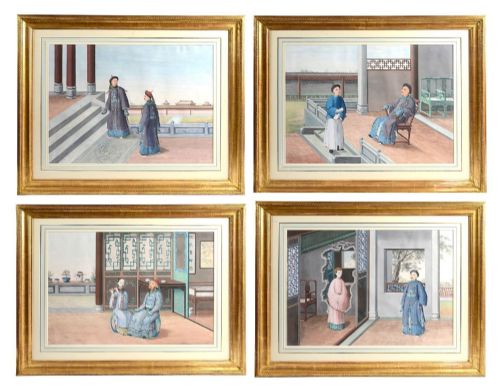
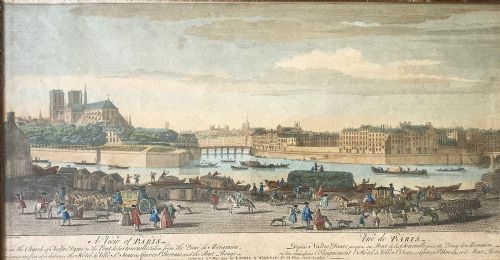
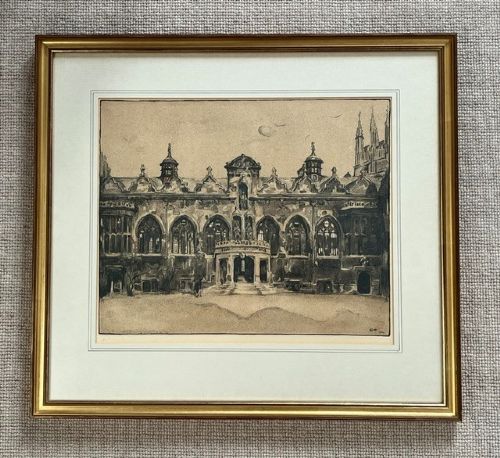
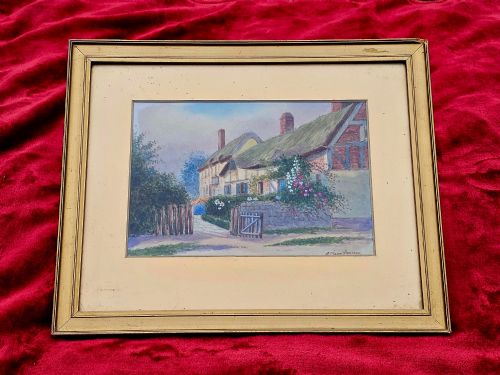
When you search for architectural picture frame, you are looking for antique visual works and prints that house buildings and townscapes within period surrounds.
Architectural Picture Frame
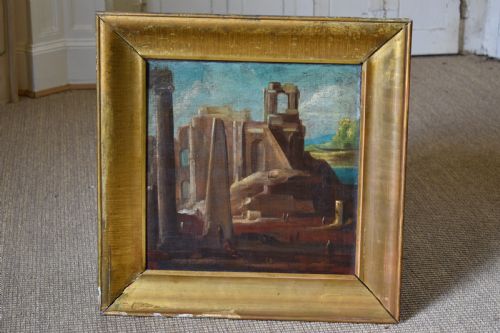
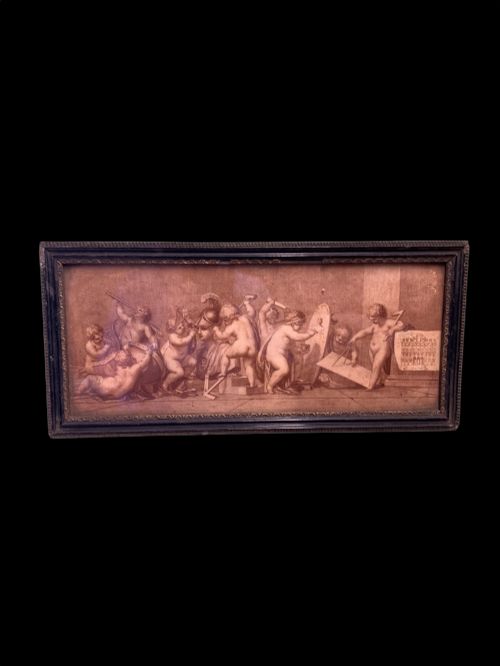
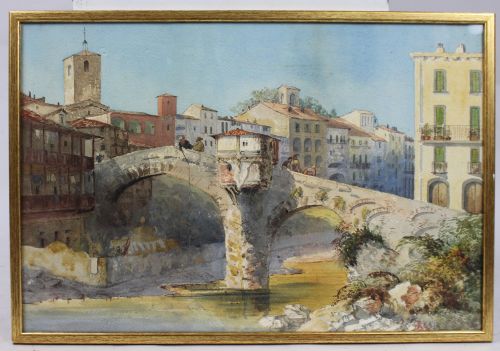
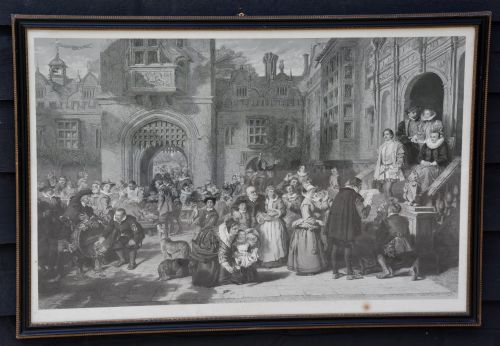
An architectural picture frame often houses works depicting classical buildings, cityscapes, and historic street scenes from the eighteenth century to the mid-twentieth century. Buyers encounter watercolours, oil paintings, engravings, and lithographs spanning Georgian, Victorian, Edwardian, and later periods.
The subjects range from Grand Tour Italianate ruins and continental capitals to British landscapes and industrial scenes. Many examples present paper or canvas works set within period wood mouldings or glass panels.
How they were made
Makers utilised traditional mediums including oil on canvas, watercolour on paper, and coloured lithography. Wood and giltwood provide the structural surrounds, often complemented by original glass and paper elements.
Draftsmanship relies on ink, pencil, and hand-colouring techniques applied to architectural views and townscapes. Craftspeople assembled timber mouldings to protect and display delicate works on paper and canvas.
Listings include materials such as gold leaf, paper, canvas, and glass spanning the eighteenth to twentieth centuries.
What varies in quality
The standard of execution in the underlying painting or engraving dictates the calibre of the piece. Fine handling of perspective in architectural subjects separates proficient works from simpler prints.
Originality of the surrounding frame and mounting contributes to the integrity of the object. Period materials that remain intact offer greater historical completeness.
Sir William Nicholson·David Roberts RA·Louis Haghe·Fred Lawson·Ron Folland
The Architectural Picture Frame Glossary
- Lithograph
- A print made from a planographic image drawn on limestone or metal. The process allows for detailed reproduction of architectural drawings and watercolours.
- Pietra dura
- An inlay technique using cut and fitted polished coloured stones to create pictures. Artisans utilise hardstones like marble to depict architectural panels.
- Giltwood
- Wood that has been coated with a thin layer of gold leaf. This material frequently forms the ornate borders of antique picture frames.
- Grand Tour
- A traditional trip of Europe undertaken by upper-class Europeans. Souvenirs from these journeys typically include architectural watercolours and engravings.
- Engraving
- An intaglio printmaking process where an image is cut into a metal plate with a burin. It produces sharp lines suitable for architectural views.
Architectural Picture Frame: Frequently Asked Questions
What periods do these pieces date from?
The inventory spans from the eighteenth century through the nineteenth and twentieth centuries.
Examples incorporate Georgian, Victorian, and Edwardian aesthetic movements alongside mid-century modern works.
How should I display them at home?
Keep works on paper and watercolour away from direct sunlight to prevent fading of the pigments.
Hang pieces securely on interior walls using appropriate fixings suited to the weight of the timber framing.
Are the frames original to the art?
Certain pieces retain their original period surrounds, such as Hogarth frames or contemporary maker mouldings.
Others may have been reframed during their history to suit changing interior tastes.
What subjects are most common?
Views of historic European cities, classical ruins, and British architectural landmarks appear frequently.
Scenes range from Venetian canals and Italianate landscapes to industrial streetscapes.