


Architectural Interior Artwork
Architectural interior artwork brings the grand rooms, chapels, and historic halls of the past onto your walls.
Architectural Interior Artwork
Architectural interior artwork captures the spaces within stately homes, colleges, churches, and historic buildings through various media. When you search for architectural interior artwork, you encounter depictions ranging from nineteenth-century drawings of gothic abbeys to twentieth-century modernist interiors.
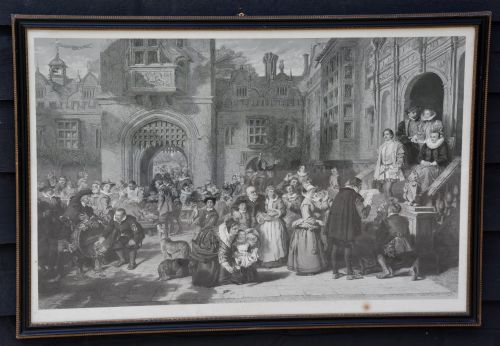
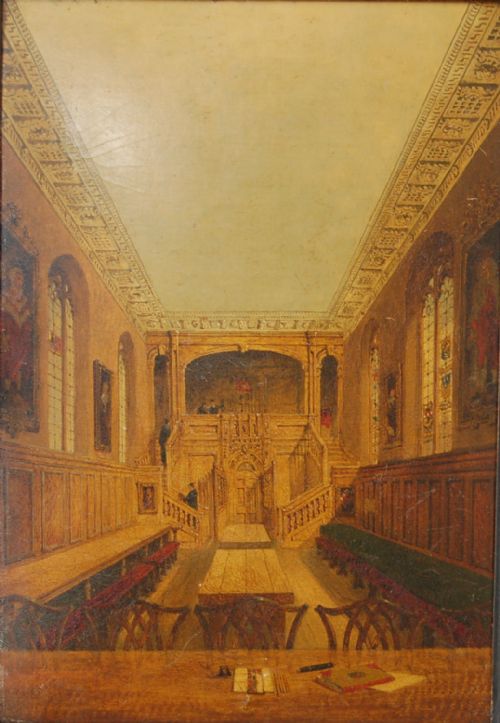
The pieces on this page span several periods, including the Victorian era, Edwardian period, and twentieth-century decades up to the nineteen-fifties. Works include detailed studies of church interiors, grand galleries, and cabinet designs executed in watercolour, oil, and ink.
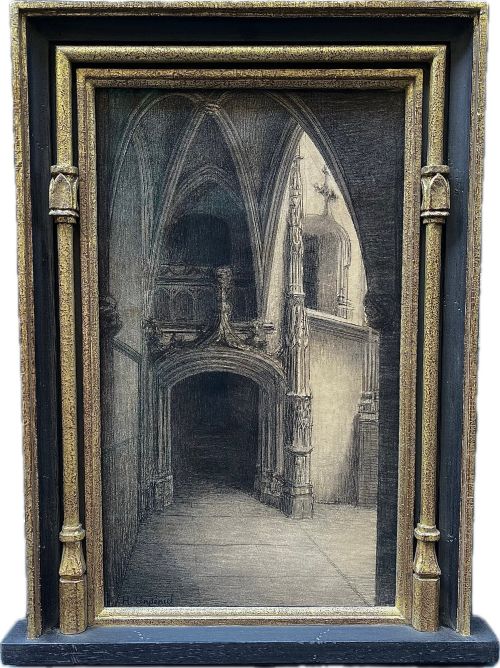
Subjects frequently record specific locations, from Hatfield House and Kelston Park to Reims Cathedral and Selby Abbey. These works offer a direct record of historical domestic and ecclesiastical design, preserved on paper, canvas, and board.
Materials and techniques
Artists employed paper, wood, glass, and canvas as the primary supports for their compositions. Watercolours and inks provide delicate linear precision for architectural elements, while oil paints on canvas or board build richer textures and deeper shadows within interior scenes.
Graphite and pen and ink were utilised for meticulous preparatory drawings and precise elevations of cathedrals and monuments. Many works retain their original framing, such as Hogarth frames, which complement the period aesthetic of the artwork.
Artists occasionally rendered the quiet grandeur of cathedral naves and college halls while sitting quietly on dusty wooden pews.
Assessing quality
Quality rests upon the precision of the draughtsmanship and the artist's ability to render perspective and light within complex spaces. Finer pieces demonstrate a firm command of architectural geometry combined with atmospheric handling of interior illumination.
Signatures, precise dates, and documented provenance elevate specific works, connecting them to known artists and identifiable historic interiors. The preservation of the original medium, free from excessive fading or damp damage, ensures the visual integrity of the composition endures.
Henri Charles Angéniol·Frank Moss Bennett·Margaret Thompson·Joseph Murray Ince
The Architectural Interior Artwork Glossary
- Gothic Revival
- An architectural and artistic style drawing inspiration from medieval forms, prevalent across nineteenth-century drawings and paintings. It prioritises pointed arches, ribbed vaults, and ornate ecclesiastical detailing.
- Constructivism
- An artistic approach originating in the early twentieth century that emphasises abstract geometric forms and industrial structures. In interior artwork, it translates into clean lines and structural compositions.
- Hogarth Frame
- A distinctive wooden picture frame featuring a stepped, ogee profile, often finished in dark tones or gilding. These frames date back to the eighteenth century and frequently house period works.
- Provenance
- The documented history of ownership and exhibition of an artwork, establishing its authenticity. For interior views, provenance often confirms the exact stately home or collegiate hall depicted.
Architectural Interior Artwork: Frequently Asked Questions
What periods do these artworks cover?
The pieces span from the nineteenth century through the Edwardian era into the nineteen-fifties. They reflect changing tastes from gothic revivalism to early twentieth-century modernism.
Victorian and Edwardian watercolours sit alongside later oil paintings and constructivist industrial scenes.
Are these works original or prints?
The selection comprises original works including oil paintings, watercolours, pen and ink drawings, and period engravings. Each piece represents a distinct handmade record of an interior space.
Artists drew or painted these scenes directly from historic buildings, abbeys, and stately homes.
How should I frame and display them?
Many works come preserved in period settings, including original Hogarth frames that suit nineteenth-century watercolours and drawings. Display them away from direct sunlight to protect delicate watercolours and inks on paper.
Matching the frame to the era of the interior depiction enhances the historical character of the piece.