

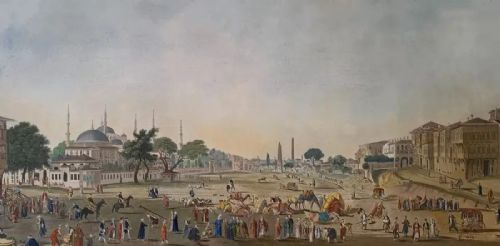
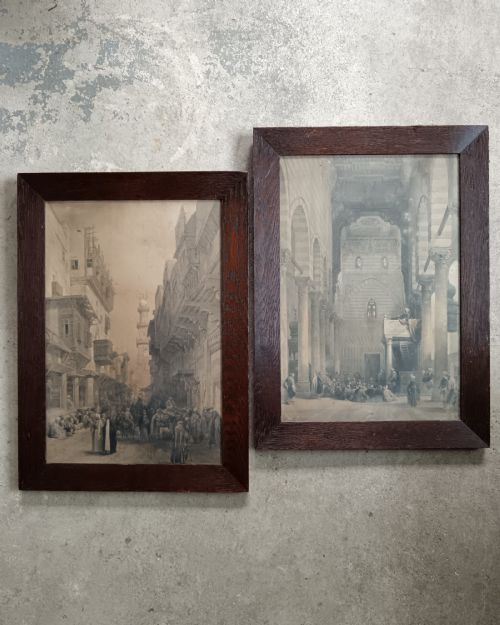


Architectural Art Print
An architectural art print brings structural draughtsmanship and historic buildings into a room, spanning delicate engravings and bold hand-coloured lithographs.
Architectural Art Print
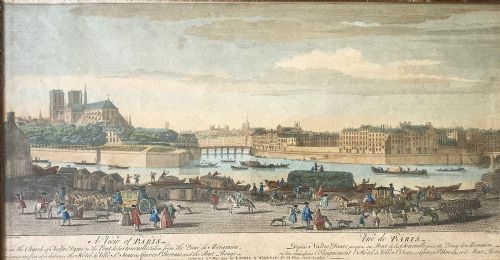
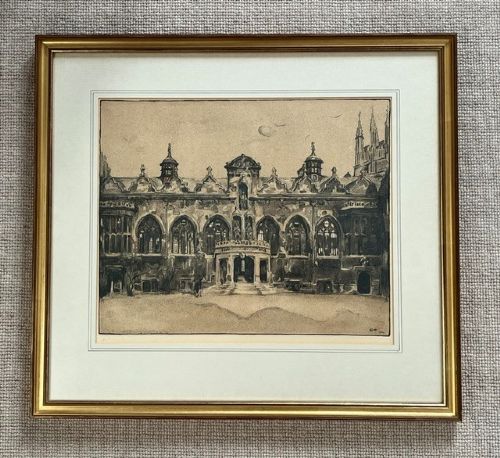
An architectural art print captures historic buildings, classical ruins, and urban vistas through centuries of graphic techniques. When looking for an architectural art print, buyers encounter works ranging from eighteenth-century copperplate engravings of cathedrals to early twentieth-century lithographs of college quadrangles.
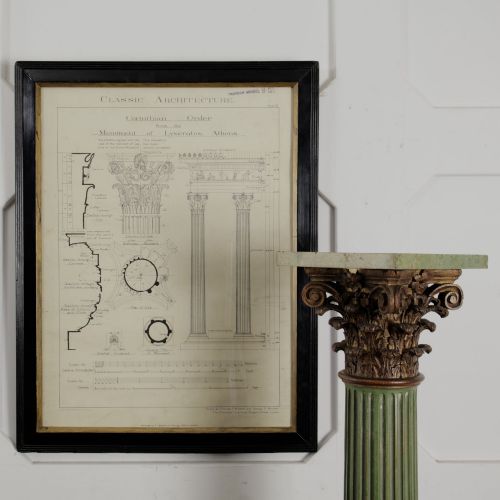
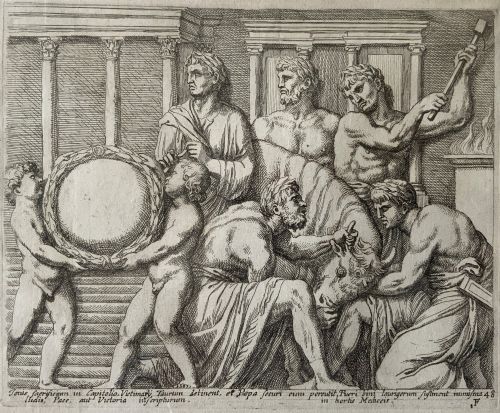
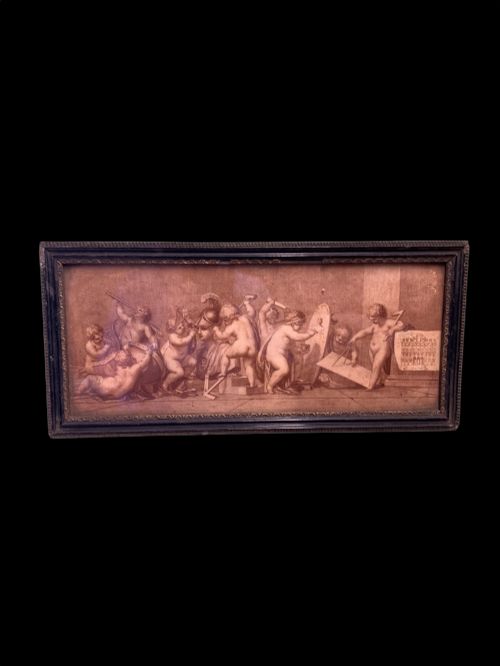
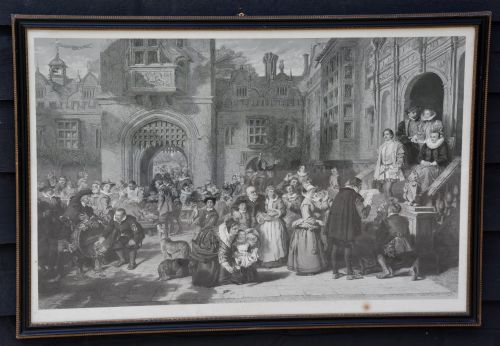
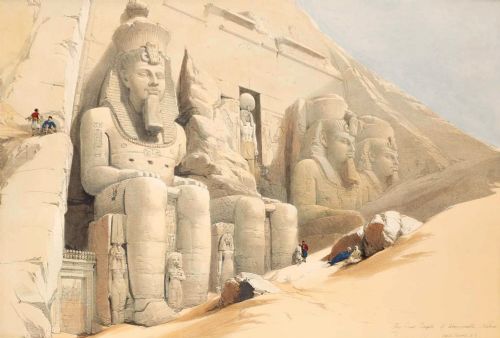
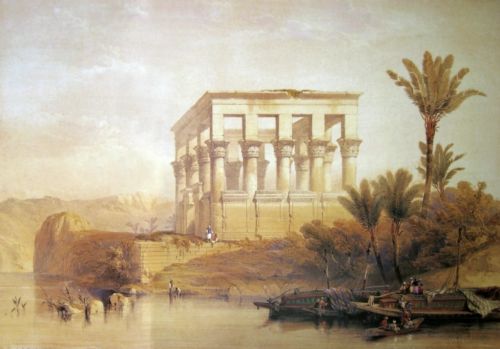
The pieces on this page lean heavily toward nineteenth-century plates, Victorian lithographs of foreign antiquities, and Georgian depictions of British seats. These range from single sheets of architectural orders to large framed pairs of classical scenes and intricate ink drawings of European facades.
Materials and methods
Makers utilised paper as the primary ground, applying ink through etching, engraving, and lithography to achieve fine structural lines. Many sheets received subsequent hand colouring in watercolour to accentuate details like stonework, foliage, and sky.
Framing materials reflect the period of production, employing wood, gilt wood, and original Hogarth mouldings to protect the delicate paper beneath glass.
Listings feature paper, ink, and watercolour supported by wood, gilt wood, and glass across the eighteenth and nineteenth centuries.
Defining quality
Quality rests upon the crispness of the impression and the precision of the draughtsmanship recorded on the paper. Early strikes from copperplates display sharp architectural mouldings, whereas worn plates yield blurred lines.
The application of original hand colouring elevates certain examples, particularly where watercolour washes retain their pigment strength without fading across the paper surface.
Thomas Ellison·Sir William Nicholson·François Perrier·David Roberts·Anton Ignaz Melling·Louis Haghe·Francesco Piranesi·T.M Baynes·Claes Jansz Visscher·Edith E Caswall·Samuel Sidley·R.P. Phillimore
The Architectural Art Print Glossary
- Engraving
- A printmaking technique where an artist cuts lines directly into a metal plate with a burin. This process produces exceptionally sharp architectural lines.
- Lithography
- A planographic printing method based on the repulsion of oil and water on a stone or metal plate. It allows for tonal gradations suited to architectural drawings.
- Hand colouring
- The application of watercolour or pigment by hand to a printed image. This technique adds hue to monochrome architectural views.
- Etching
- A process where acid bites lines into a metal plate protected by a wax ground. Artists use this method to achieve fluid, expressive architectural sketches.
Architectural Art Print: Frequently Asked Questions
How do I hang an architectural art print?
Protect the paper from direct sunlight by placing the framed print on an interior wall away from windows. Ensure the hanging wire and fixings match the weight of the wood frame.
Group smaller plates together at eye level to create a balanced display along a hallway or study wall.
What periods do these prints cover?
The selection spans from seventeenth-century etchings up to early twentieth-century lithographs and watercolours. Eighteenth and nineteenth-century examples form the core of the available works.
Each era brings distinct paper types and printing technologies, from early copper engravings to Victorian colour lithography.
Are these prints original antiques?
The listings feature period originals produced in the century stated, rather than modern reproductions. These include vintage lithographs, antique engravings, and period watercolours.
Signatures, plate marks, and paper ageing help confirm the historic origins of each piece.
How should I clean the glass?
Apply a mild glass cleaner to a soft cloth rather than spraying the liquid directly onto the frame. This prevents moisture from seeping past the rebate and damaging the antique paper.
Dust the wooden frame gently with a dry, lint-free cloth to maintain the finish.