







Arched Tabletop Mirror
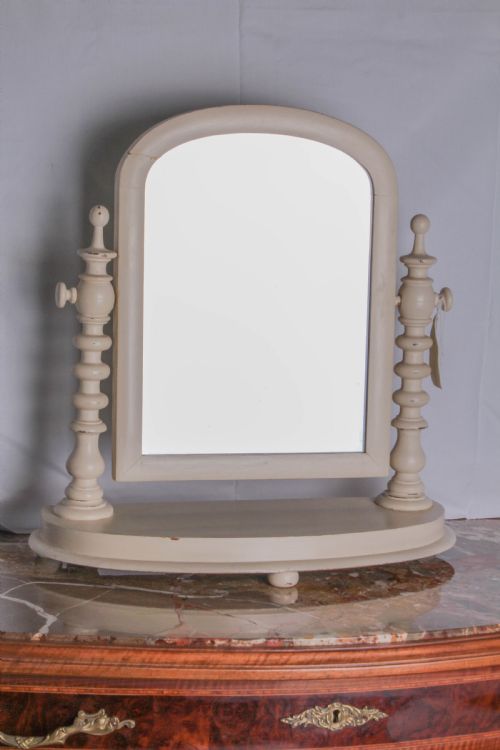
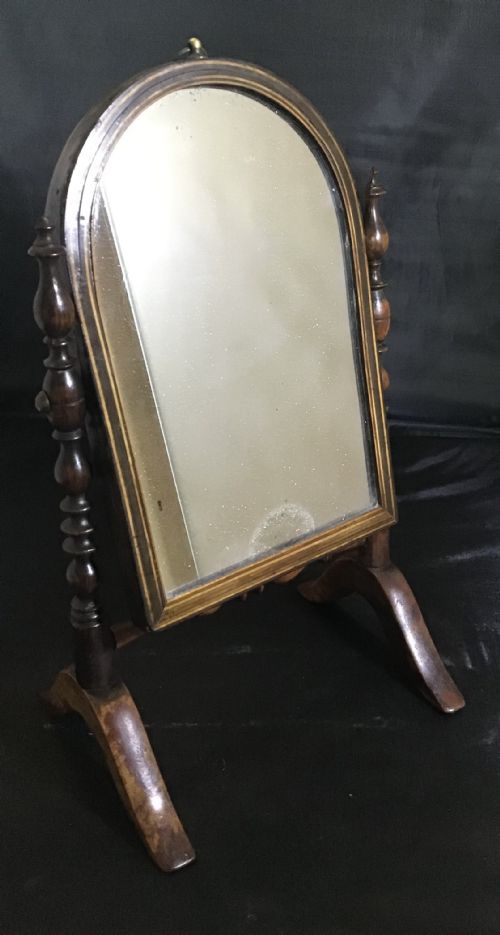
An arched tabletop mirror offers practical function and classic design, sitting neatly on a chest or dressing table to brighten a room.
Arched Tabletop Mirror
When you search for an arched tabletop mirror, you encounter pieces designed to sit upon furniture for grooming and dressing. These objects provide a reflective surface while adding decorative character to a room.
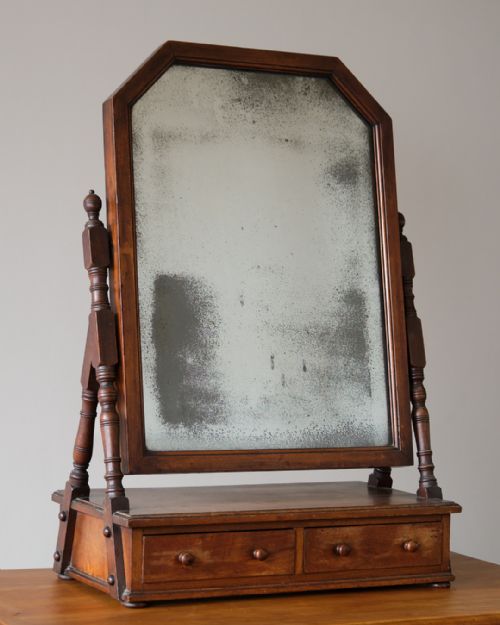
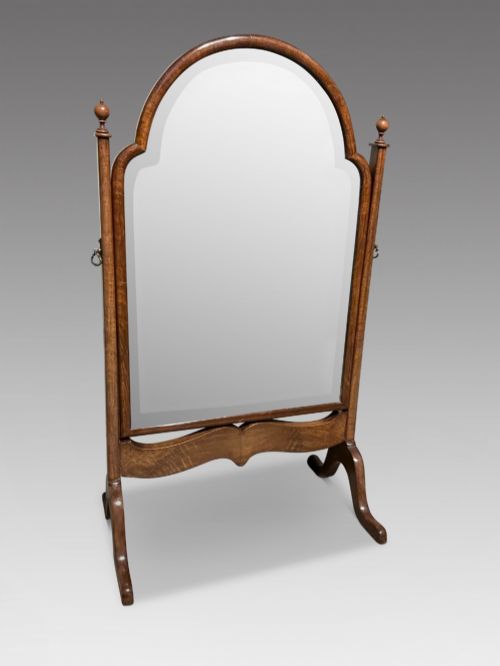
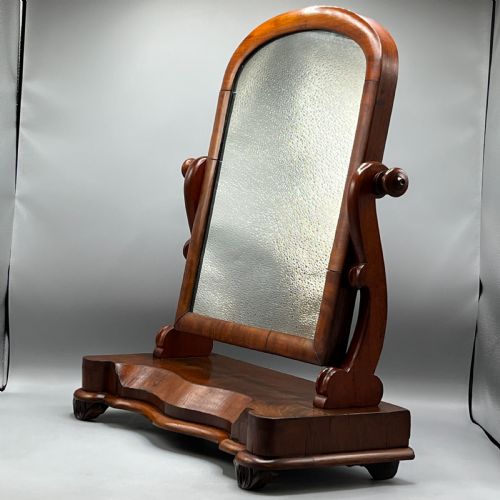
The versions most commonly met on this page span the nineteenth century into the early twentieth century, taking forms such as dressing table mirrors, swing mirrors, and vanity mirrors. Makers of these periods utilised classic styles including Victorian, Edwardian, Queen Anne, and Art Deco.
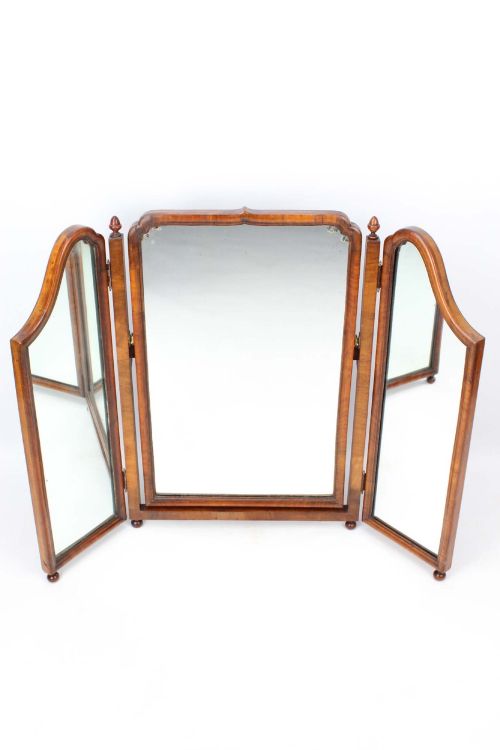
Examples range from simple mahogany swing frames to elaborate triptychs and pieces featuring bureau fitments or easel backs. Origins vary from British workshops to French studios, incorporating painted finishes alongside polished woods.
Materials and construction methods
Cabinetmakers constructed these frames using timber such as mahogany and walnut, frequently selecting figured grains for visual depth. Wood inlay and painted finishes appear on select examples to enhance the decorative surface.
Reflecting surfaces consist of glass mirrors mounted into swing frames or hinged triptych arrangements. Metal components, including brass and silver plate, provide structural support and decorative detailing for hinges, pivots, and easel backs.
Arched Tabletop Mirror Retail Price Guide 2026
Typical asking prices for arched tabletop mirror among the pieces listed under this phrase on Sellingantiques today, from the lower quarter to the upper quarter. They describe what is for sale here now, not the wider market.
Travelling variants allowed nineteenth-century owners to maintain their grooming standards while on the move.
Assessing quality and craftsmanship
The distinction between standard examples and superior pieces rests on the choice of timber and the precision of the cabinetwork. Figured walnut and carefully matched mahogany veneers indicate a higher grade of manufacture.
Integration of specialised functions, such as bureau fitments or complex triptych folding mechanisms, demonstrates superior workshop capability. The quality of the metal mounts and the retention of original glass further separate finer items from basic utilitarian versions.
Heal & Sons
The Arched Tabletop Mirror Glossary
- Swing mirror
- A glass plate mounted on pivots within a frame, allowing the user to tilt the angle of reflection. This form sits upon a base or between upright arms.
- Triptych mirror
- A three-panel glass arrangement featuring a central section flanked by two smaller hinged wings. These wings fold inwards to alter the viewing angle.
- Bureau fitment
- A small desk or storage compartment incorporated into the base of the mirror stand. This provides small drawers or writing space beneath the glass.
- Easel back
- A hinged strut attached to the rear of the frame allowing the mirror to stand upright on a flat surface without a fixed wooden base.
Arched Tabletop Mirror: Frequently Asked Questions
What is an arched tabletop mirror?
An arched tabletop mirror is a portable reflective glass plate set within a curved frame designed to rest on furniture.
These pieces typically feature a swing mechanism or stand, allowing users to adjust the angle for dressing or grooming.
Where were they placed?
These mirrors traditionally sat upon dressing tables, chests of drawers, or washstands within bedrooms.
Travelling versions were also produced for use on portable furniture during journeys.
What is a triptych mirror?
A triptych mirror comprises three distinct glass panels joined by hinges.
The side wings fold inward, enabling the user to view angles not visible in a single flat glass.