
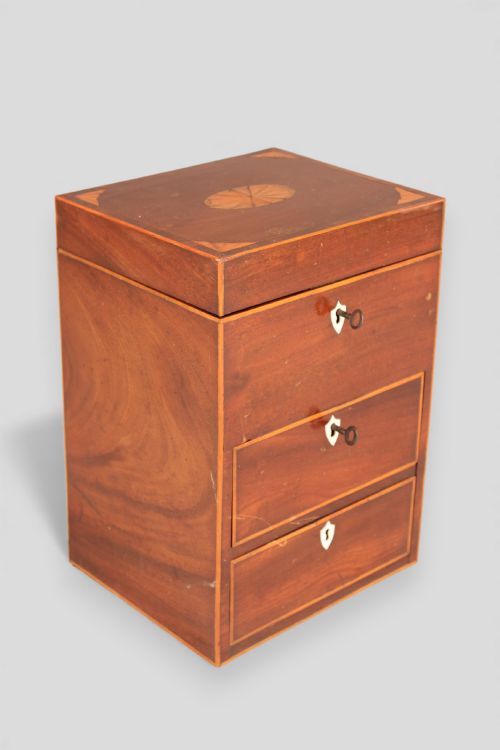


Apothecary Medicine Box
An apothecary medicine box is a fitted wooden chest designed to hold medical supplies, prized for its intricate internal compartments and surviving glass bottles.
Apothecary Medicine Box
When searching for an apothecary medicine box, you encounter compact wooden chests that date from the mid eighteenth century through to the late nineteenth century. These pieces originate primarily from Georgian, Regency, and Victorian periods, reflecting a time when domestic healthcare required home storage for remedies.
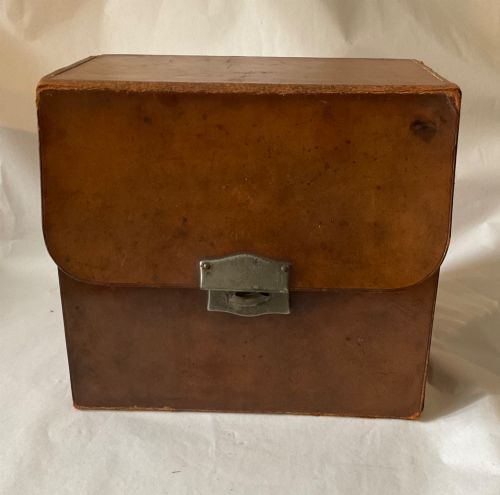
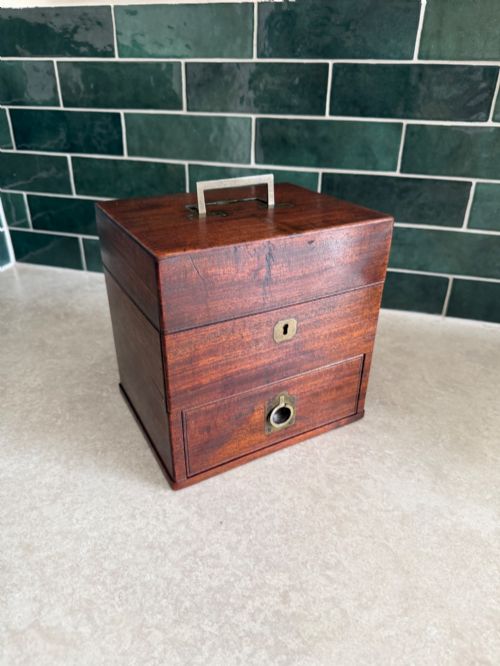
The version you are most likely to meet on this page is a mahogany travelling case fitted with original glass bottles and a lower drawer. Other forms include spice cabinets, wall cabinets, leather-cased travelling cases, and veterinary cabinets.
These items served both domestic and professional needs, functioning as portable pharmacies for travellers or permanent fixtures in period households. Surviving examples often retain internal velvet or leather linings and paper labels within the fitted compartments.
Materials and Construction
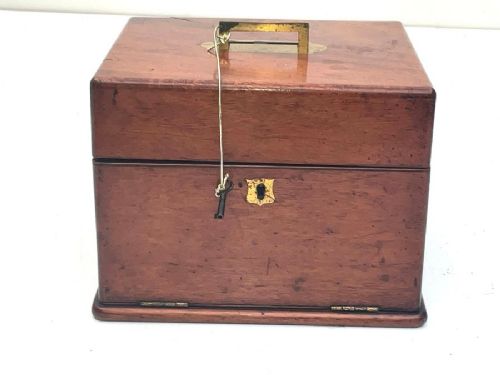
Cabinetmakers constructed these chests predominantly in mahogany, oak, and other polished woods, frequently incorporating brass for carrying handles, corner brackets, and key escutcheons. Inlays in lighter woods define the Georgian and Regency styles seen in the listings.
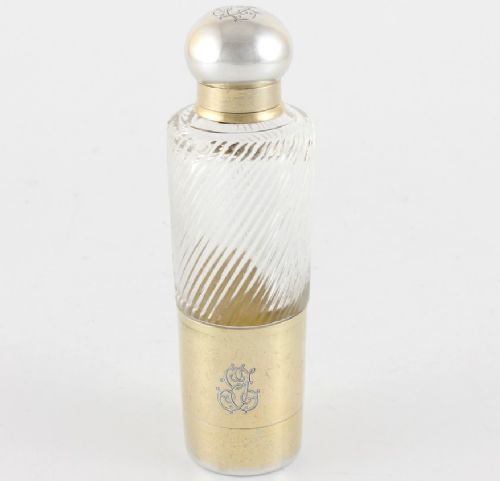
Interiors required precise joinery to create secure pigeonholes and sliding drawers for glass bottles and flasks, sometimes accompanied by velvet or leather surfaces. Metal and paper elements appear on contents, labels, and French silver-mounted travel flasks.
Listings span periods from the mid eighteenth century to the late nineteenth century, predominantly featuring mahogany and fitted glass bottles.
Factors of Quality
The distinction between standard examples and superior chests rests upon the completeness of the internal contents and the survival of the original glass bottles. Cases retaining fitted drawers and matched bottles hold greater interest than empty shells.
Quality also shows in the grade of timber and the precision of the brass hardware, alongside the intricacy of secret compartments or inlaid decoration on the exterior.
Tonnel Paris·Godfrey and Cooke
The Apothecary Medicine Box Glossary
- Campaign case
- A portable wooden chest designed for travel, typically fitted with flush brass handles and robust corner mounts.
- Fitted interior
- An internal arrangement of wooden dividers, slots, and compartments built specifically to hold glass bottles and instruments securely.
- Escutcheon
- A protective brass plate surrounding a keyhole on the exterior of the box.
- Pigeonhole
- A small, open compartment within the chest used for storing documents, labels, or powders.
Apothecary Medicine Box: Frequently Asked Questions
What did they keep inside?
These chests held glass bottles for liquid remedies, pill boxes, scales, and drawers for mixing powders.
Many retain their original glassware and fitted compartments designed for medical ingredients.
How do I date a box?
Dating relies on timber selection, brass hardware style, and construction methods associated with Georgian, Regency, and Victorian periods.
Inlaid mahogany and specific cabinet proportions often point to late eighteenth or early nineteenth century origins.
Where were they used?
Owners kept them in domestic households, aboard ships, and in travelling carriages for medical emergencies.
Campaign versions were built specifically for transport during journeys.
Are the bottles usually original?
Survival rates vary, with some chests retaining complete sets of matched glass bottles while others are empty.
Listings specify whether the box includes its original contents or glass.