



Antiqued Pedestal Table
These pieces known as an antiqued pedestal table bring central column support and timber grain character to a room.
Antiqued Pedestal Table
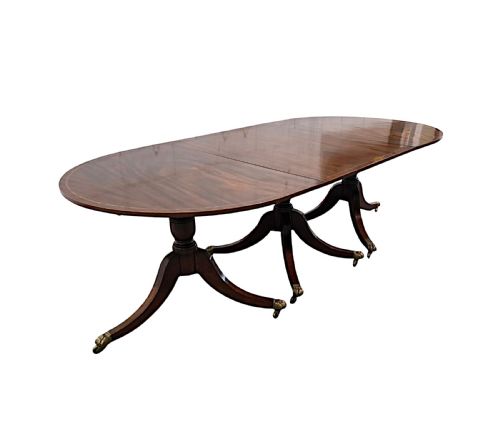
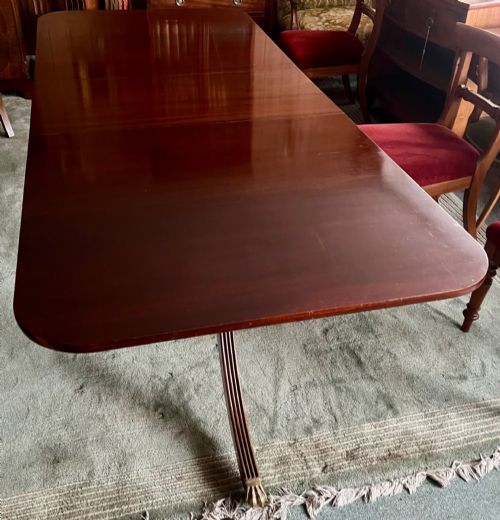
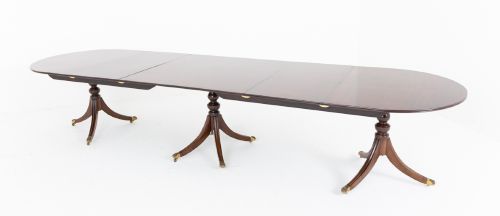
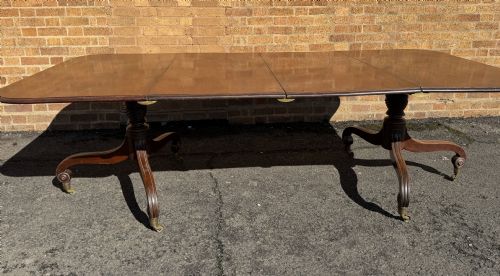
When searching for an antiqued pedestal table, buyers encounter furniture built around a central pillar or multiple pillars rather than four corner legs. The selection spans forms such as dining tables, wine tables, occasional tables, breakfast centre tables, and tripod tables.
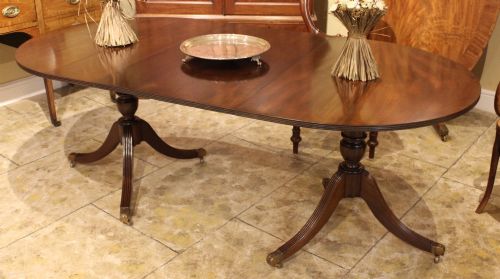
Originating predominantly from the 18th century, Victorian, Regency, and Edwardian periods, these pieces often utilise solid timber and veneers. The most common manifestations on this page are dining tables and smaller occasional or wine tables supported by timber columns.
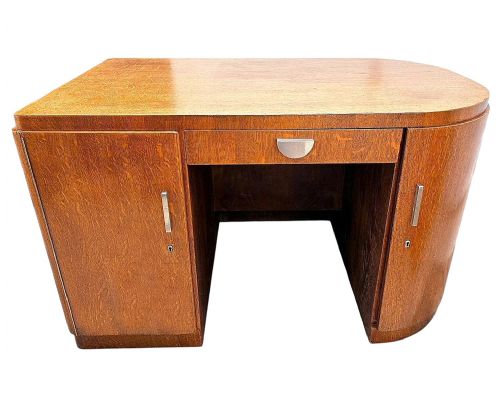
The historical scope reaches from George III and William IV eras through to Edwardian and Art Deco pieces. Each style brings specific column turning, base carving, and timber choices suited to domestic settings.
Materials and construction
Construction relies heavily on timbers such as mahogany, rosewood, walnut, burr walnut, and oak, often worked into solid components or applied as figured veneers. Cabinet makers shaped pedestals using turned timber sections, sometimes mounting them on tripartite or quadrupartite legs with brass castors.
Table tops frequently employ tilt mechanisms or fixed frames attached firmly to the central column. Brass fittings, leather inserts, and glass elements appear across desks and side pieces to supplement the primary wood structure.
Antiqued Pedestal Table Retail Price Guide 2026
Typical asking prices for antiqued pedestal table among the pieces listed under this phrase on Sellingantiques today, from the lower quarter to the upper quarter. They describe what is for sale here now, not the wider market.
Table forms span wine tables, breakfast centre tables, occasional lamp tables, and multi-pillar dining tables.
Assessment of quality
Quality rests upon the selection of timber figures, such as figured mahogany or burr walnut, and the structural integrity of the central pillar joint. Superior examples maintain rigidity at the column base where stress concentrates during use.
The crispness of carved details on the tripod legs, the smoothness of tilt mechanisms, and the accurate fit of drawers or leaves distinguish finer workshop output from utilitarian production.
Gillows
The Antiqued Pedestal Table Glossary
- Pedestal table
- A table supported by a central upright column rather than traditional corner legs. This design allows greater legroom around the perimeter.
- Tripod table
- A small table standing on three spreading feet connected to a central pillar. They often feature tilt-top mechanisms for compact storage.
- Wine table
- A diminutive occasional table originally intended for holding glasses or bottles. These typically feature a single turned pedestal and a circular top.
- Tilt top
- A table top hinged to tip into a vertical position when not in use. This mechanism saved floor space in period interiors.
- Centre table
- A freestanding table designed to be viewed from all sides rather than pushed against a wall. They frequently occupy the middle of a principal room.
Antiqued Pedestal Table: Frequently Asked Questions
What is a pedestal dining table?
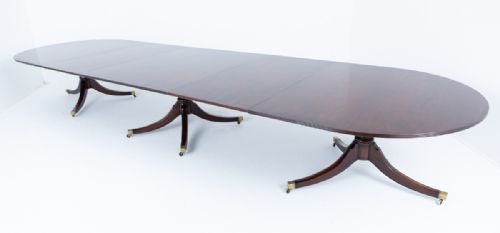
A pedestal dining table uses one or more central columns to hold up the top instead of standard legs at the corners. This structure permits comfortable seating arrangements around the perimeter.
Multi-pillar versions often extend with additional leaves to accommodate large gatherings while maintaining balanced support underneath.
How do I identify a Regency pedestal table?
Regency pedestal tables typically date from the early 19th century and display classical design influences. They frequently utilise dense mahogany or rosewood with brass paw castors.
The central columns often sit on platform bases supported by sabre legs or carved animal paws.
What is a tilt-top table used for?
Tilt-top tables allow the surface to pivot upright so the furniture can stand flat against a wall when empty. This saved valuable floor space in historical homes.
Today they function as decorative side or lamp tables while retaining their original mechanical capability.
Where should I place a centre table?
Centre tables are finished on all sides to stand freely in the middle of a room rather than against a wall. They suit entrance halls or drawing rooms where foot traffic surrounds them.
Ensure adequate clearance around the pedestal base so the table remains accessible from every angle.