



Antique Zenith Timepieces
These antique zenith timepieces bring precision Swiss engineering and enduring style straight to your collection, offering reliable mechanical character.
Antique Zenith Timepieces
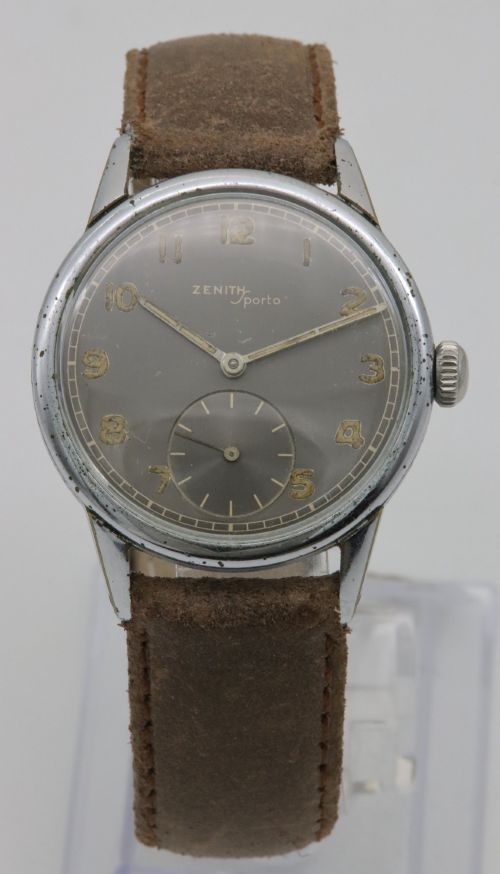
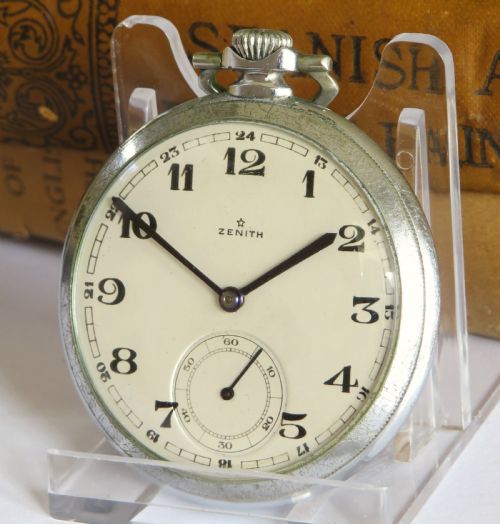
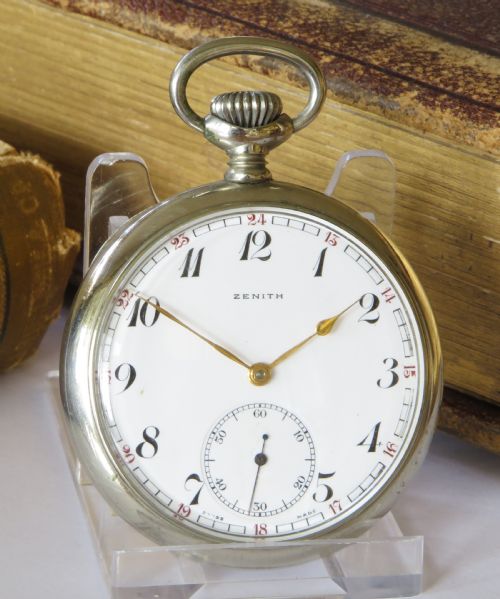
When you search for antique zenith timepieces, you encounter mechanical instruments built for pocket carriage and wall display. The selection here centres primarily on pocket watches alongside utilitarian wall clocks.
Most examples you meet on this page hail from the early twentieth century up through the nineteen-fifties. These portable and stationary pieces reflect the practical horological output of Swiss manufacture.
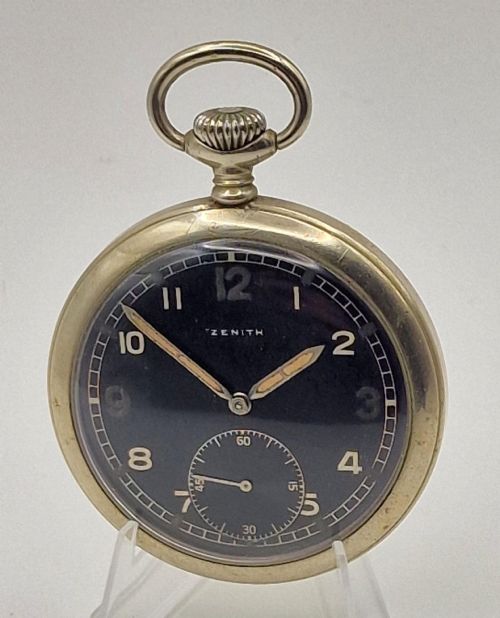
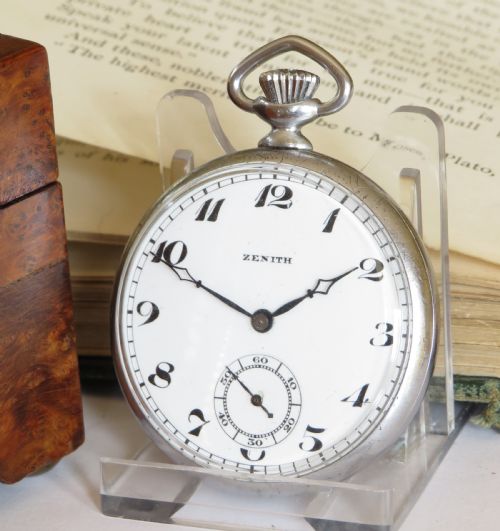
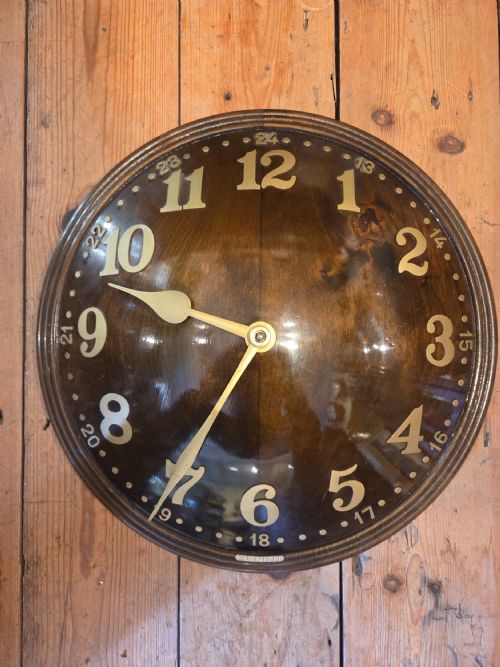
You find varied forms including military pocket watches from nineteen-forty, slim pocket formats, and wall clocks featuring distinct twenty-four-hour dials. Oak and elm timber feature prominently alongside metal cases.
How they were made
Casing construction relies on sturdy metals like steel, brass, nickel, and chrome-plated metal, alongside wooden enclosures fashioned from walnut, oak, and elm. Glass protects the dials while enamel provides durable, legible face markings.
Makers utilised traditional Swiss horological techniques to assemble delicate gear trains and escapements inside pocket and wall formats. Dial faces often received fired enamel coating for permanent numbering.
Antique Zenith Timepieces Retail Price Guide 2026
Typical asking prices for zenith timepieces among the pieces listed under this phrase on Sellingantiques today, from the lower quarter to the upper quarter. They describe what is for sale here now, not the wider market.
Materials used across these items include glass, enamel, steel, brass, nickel, metal, walnut, and chrome-plated metal.
What varies in quality
The degree of preservation in the enamel dial and the crispness of the case metal define the upper tiers of these instruments. Fine proportions and distinct regional styling, such as Art Deco geometric lines or military specification markings, elevate particular examples.
Execution of the timber surrounds on wall clocks also dictates worth, where well-figured oak or elm marks superior production. Simpler utility models sit at the baseline, while specialised twenty-four-hour dials command greater interest.
The Antique Zenith Timepieces Glossary
- Pocket watch
- A portable timepiece designed to fit snugly in a waistcoat pocket, usually secured with a chain. These mechanical devices were widely carried before wristwatches dominated daily life.
- Enamel dial
- A watch face created by fusing powdered glass to a metal substrate under high heat. This technique produces a smooth, lustrous surface that resists fading over decades.
- Art Deco
- A design style spanning the nineteen-twenties and nineteen-thirties characterised by sleek geometric shapes and stylised motifs. Timepieces from this era incorporate sharp linear markers and bold typography.
- Twenty-four-hour dial
- A clock face displaying a full circle of twenty-four hours rather than the standard twelve. This layout appears frequently on military and transport timepieces for unambiguous timekeeping.
Antique Zenith Timepieces: Frequently Asked Questions
How do I wind a vintage pocket watch?
Turn the crown clockwise between your thumb and forefinger until you feel gentle resistance. Stop immediately to avoid damaging the mainspring.
Wind your timepiece at approximately the same time each day to maintain consistent tension and accurate timekeeping performance.
Were all these clocks made in Switzerland?
The core movements originate from Swiss horological workshops known for precision manufacturing. Cases and wooden wall enclosures were often sourced and assembled locally to suit different markets.
Examine the dial markings and inner dust covers to find specific manufacturing signatures and country stamps.
What is the best way to mount a wall clock?
Secure a sturdy steel screw or appropriate wall anchor directly into a wall stud or solid masonry. Hang the timepiece firmly by its mounting bracket to ensure the pendulum and escapement level correctly.
Keep the clock away from areas subject to heavy vibrations or damp conditions to protect the internal brass and steel components.
How do I identify a military issue pocket watch?
Military timepieces typically feature broad arrow markings, government contract numbers, or specific service engravings on the outer case back. The dials often prioritise stark legibility with high contrast numerals.
These pieces were issued to armed forces personnel during active service periods such as the nineteen-forties.