

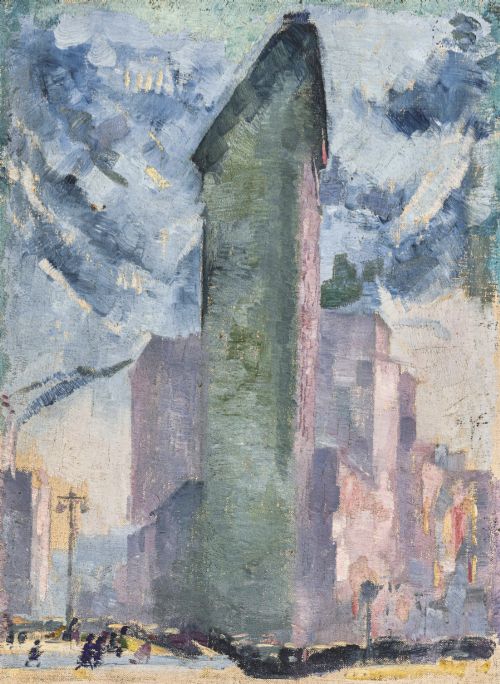


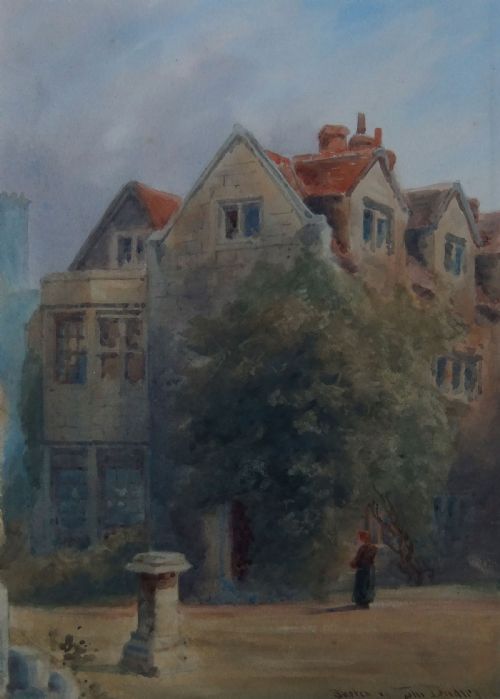


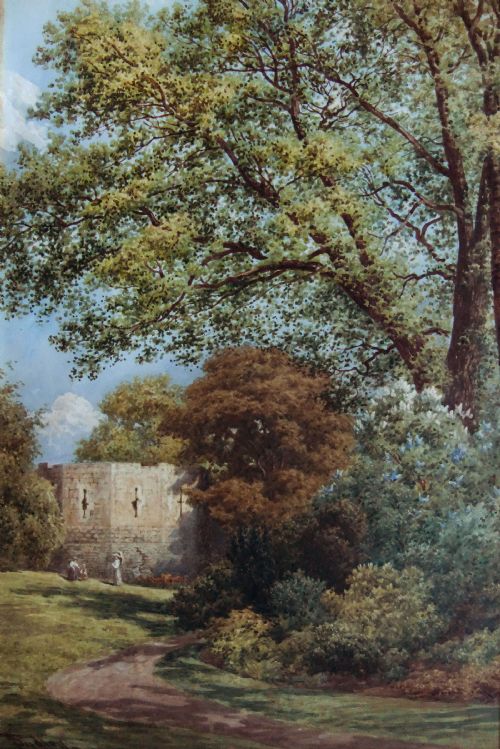
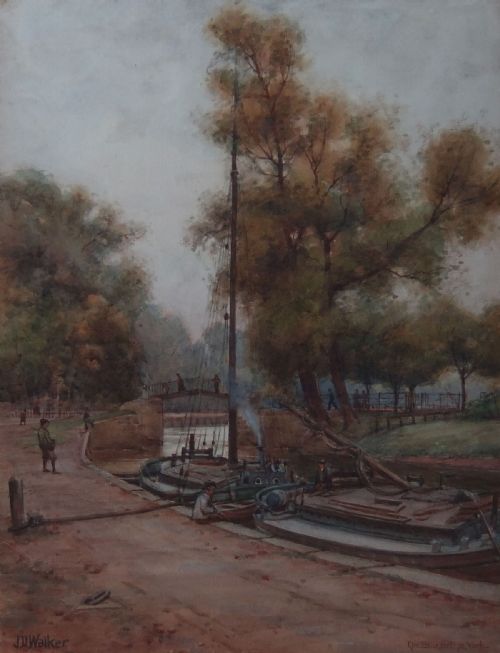

Antique York Painting
These antique york painting works bring historic northern streetscapes, coaching scenes and distinguished portraits into the room with genuine period presence.
Antique York Painting
An antique york painting encompasses original watercolours and oil paintings depicting recognisable landmarks, historic streets and notable figures associated with the city of York. Buyers searching this phrase commonly find topographical watercolours of local subjects alongside coaching oils and portraits connected to the locality.
The material record spans works executed on paper and canvas, frequently set within gilded wood frames with glass protection. Productions range from nineteenth-century topographical watercolours to eighteenth-century portraits linked to figures of regional authority.
Materials and execution
Painters utilised watercolour pigment on paper and oil paint on canvas as the primary media for capturing architectural detail and landscape depth. These pigments were brushed onto prepared surfaces to build texture and tonal contrast.
Framing involved wood fashioned with gilded finishes, enclosing the paper or canvas beneath glass to preserve the painted surface over generations.
Antique York Painting Retail Price Guide 2026
Typical asking prices for york painting among the pieces listed under this phrase on Sellingantiques today, from the lower quarter to the upper quarter. They describe what is for sale here now, not the wider market.
Listings feature works spanning the eighteenth century through the Victorian and Edwardian eras, executed in oil and watercolour on paper or canvas.
Quality and execution
Distinction in these works rests upon the precision of the brushwork and the clarity of the architectural or topographical rendering. Stronger examples demonstrate confident handling of perspective and light across street scenes or portraits.
The integrity of the framing and the preservation of the underlying paper or canvas surface further distinguish superior pieces from simpler decorative items.
Alfred Wolmark·Alexandre Le Bihan·George Whyatt·Samuel Henry Alken·Tom Dudley·John D. Walker·James Ward·Henry Wyatt
The Antique York Painting Glossary
- Watercolour pigment
- A colourant suspended in a water-soluble binder, applied to paper to create translucent washes of tone and detail.
- Oil on canvas
- A medium where pigments mixed with drying oil are applied to stretched fabric, allowing for rich colour depth and blended textures.
- Gilded wood
- Timber finished with a thin layer of gold leaf or metallic powder, commonly used to frame and highlight historic artwork.
Antique York Painting: Frequently Asked Questions
What subjects appear in these paintings?
Works frequently depict historic York locations such as the Multangular Tower, College Street, The King's Manor, St Mary's Abbey and the Blue Bridge. Other examples record coaching scenes on routes like York to London or feature portraits of figures connected to the region.
Topographical watercolours capture specific nineteenth-century street views, while oil paintings record broader narratives and notable personages associated with York's history.
How should I display them at home?
Hang these framed works away from direct sunlight to protect watercolours on paper and oil pigments on canvas from fading over time. Maintaining stable indoor humidity prevents wood frames and backing materials from warping.
Pairing traditional framed paintings with period interior styling allows the historic character of the artwork to anchor the room's design.
How do I date an antique painting?
Dating relies on stylistic evidence, artist signatures, framing construction, and the specific materials used in the support and ground layers. Victorian and Edwardian works often exhibit distinct handling of light and pigment compared to earlier eighteenth-century portraits.
Examining the reverse of the canvas or the backing of the frame frequently reveals period inscriptions, maker stamps or gallery labels that clarify the timeline.
What framing is typically found?
Many examples retain their period gilded wood frames, which complement the tonal qualities of the oil or watercolour within. These frames often show characteristic minor wear appropriate to their age.
Glass is regularly incorporated to shield delicate paper watercolours from atmospheric dust and surface damage during display.