
Antique Yellow Gold Bracelet
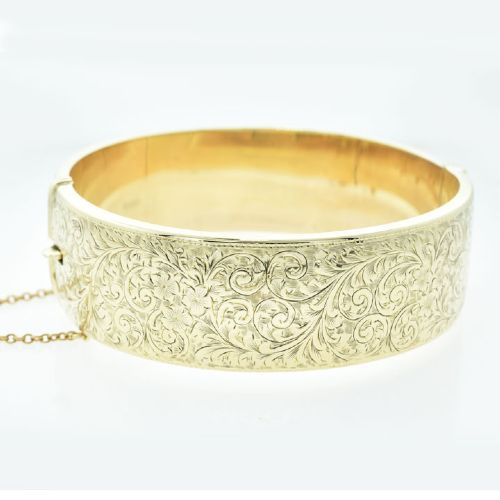
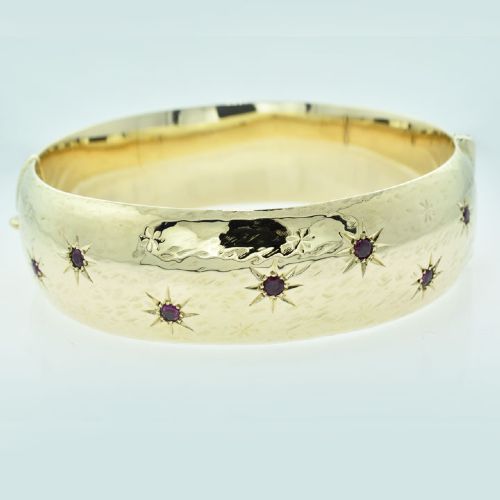
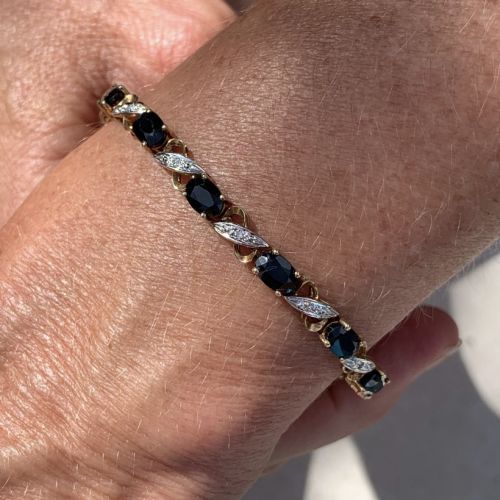
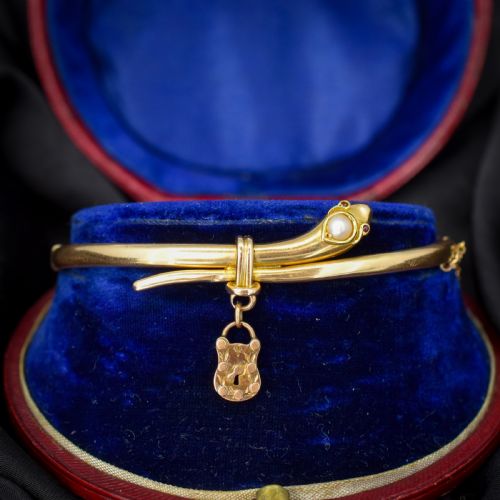
These antique yellow gold bracelet examples bring rich warmth and period character to the wrist.
Antique Yellow Gold Bracelet
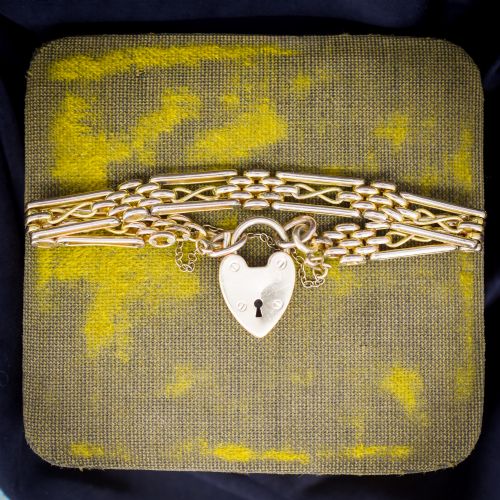
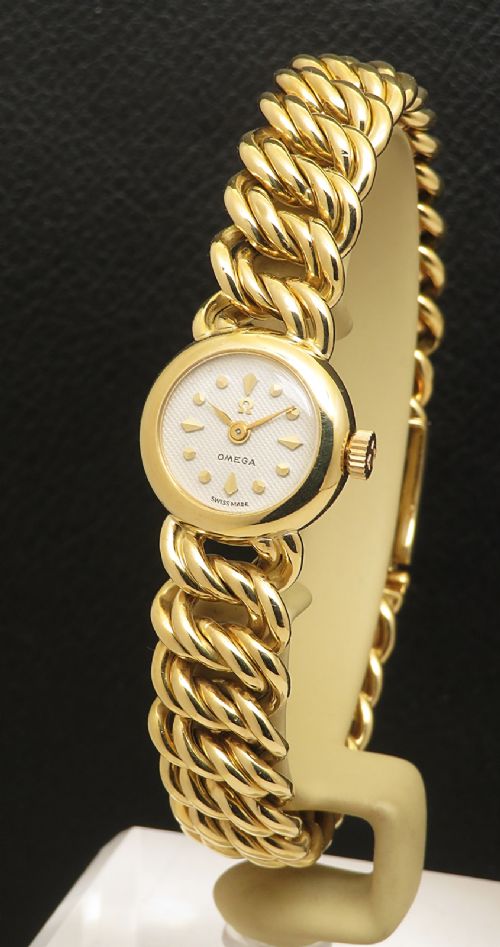
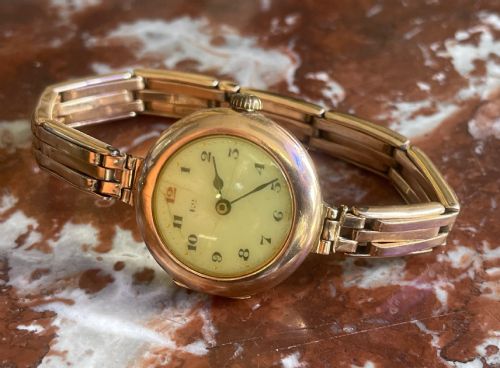
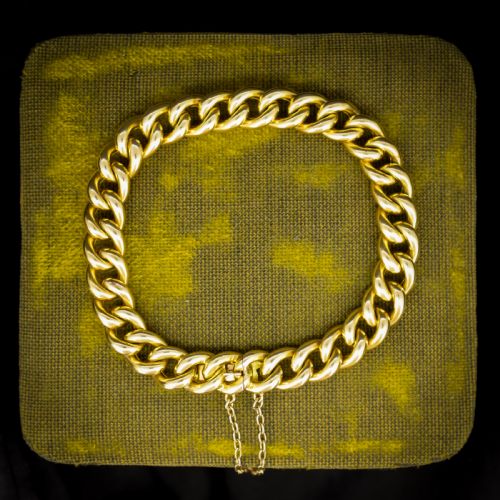
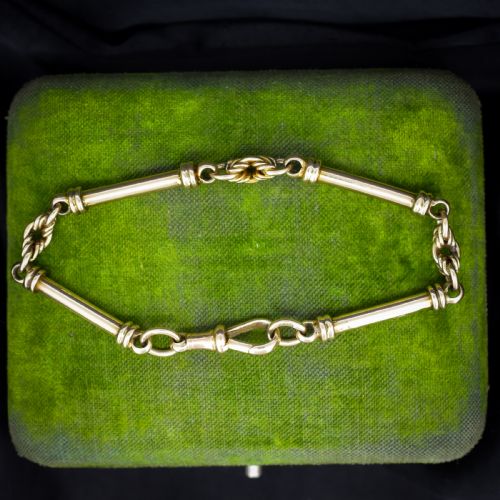
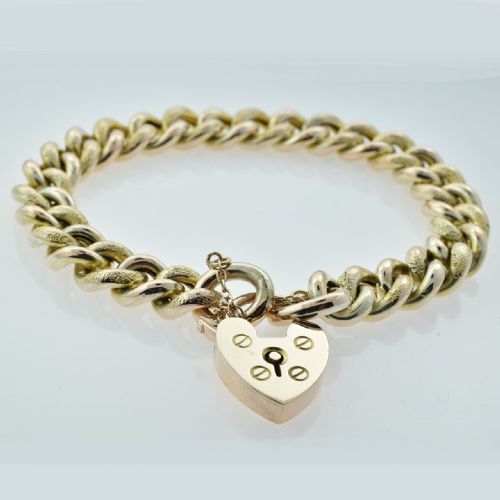
An antique yellow gold bracelet is a wrist ornament fashioned from gold alloys that carry a warm, buttery hue, spanning eras from the Victorian period through the Edwardian years and into Art Deco designs. Buyers searching for an antique yellow gold bracelet encounter varied forms, from heavy curb links and solid chains to articulated tank bracelets and gem-set line configurations.
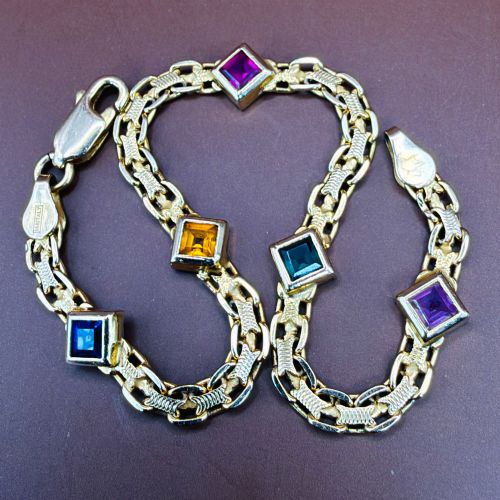
The pieces appearing on this page most frequently showcase 18ct yellow gold, 15ct yellow gold, and 9ct variations alongside coloured gemstones such as garnets, peridots, turquoise, sapphires, and pearls. These jewels trace origins across England and France, reflecting the distinct craftsmanship of each decade from the late nineteenth century into the 1930s.
How they were made
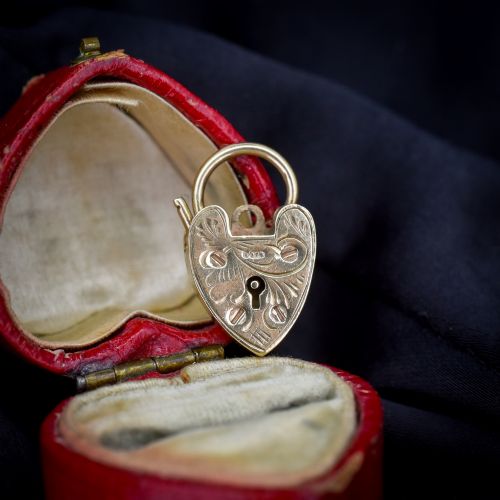
Goldsmiths constructed these bracelets using yellow gold alloys of varying carat weights, incorporating solid curb links, parallel chains, and articulated metal sections that required precise hand-assembly. Metalwork often featured fine hand-engraving, casting, and structural joining designed to create flexible movement around the wrist.
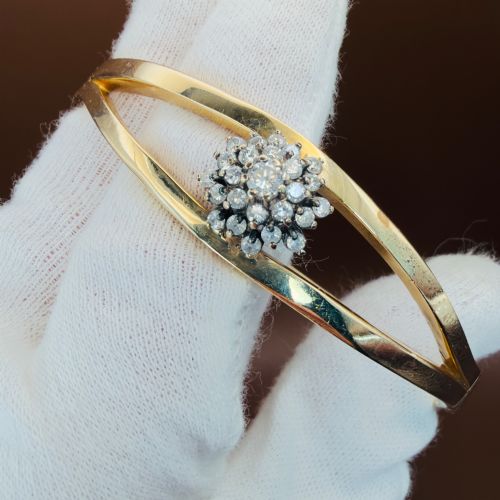
Gemstones including diamonds, sapphires, garnets, peridots, turquoise, aquamarines, and pearls were integrated via hand-cut settings, bezel mounts, or flush channels. French workshops and English makers utilised traditional bench techniques to balance structural durability with delicate gemstone arrangements.
Antique Yellow Gold Bracelet Retail Price Guide 2026
Typical asking prices for yellow gold bracelet among the pieces listed under this phrase on Sellingantiques today, from the lower quarter to the upper quarter. They describe what is for sale here now, not the wider market.
A satisfying heavy curb link bracelet carries enough physical heft to double as a miniature anchor.
What varies in quality
Quality in these bracelets rests upon the weight and integrity of the gold work, distinguishing solid, heavy curb links and dense metal structures from lighter, hollow constructions. The heft of the piece, often measured in grams, dictates the physical presence and long-term durability of the metal.
The standard of gem-setting and the selection of stones further divide the range, separating bracelets featuring matched, vibrant natural gems from those with simpler or more uniform materials. Precision in the articulation of joints and the crispness of hand-engraved details also mark the distinction between standard production and finer goldsmithing.
The Antique Yellow Gold Bracelet Glossary
- Curb link
- A style of jewellery chain consisting of identical flat, interlocking links that lie flat against the skin. This construction offers both flexibility and substantial weight.
- Articulated
- Designed with hinged or flexible sections that allow the metal to bend smoothly around the wrist. This technique ensures comfort and fluid movement.
- Carat
- A unit measuring the purity of gold, with 24 carats representing pure gold. Antique pieces commonly utilise 9ct, 15ct, or 18ct yellow gold alloys.
- Bezel setting
- A method of securing a gemstone where a thin metal rim is pushed over the edge of the stone to hold it in place. It provides a clean, secure outline.
- Tank bracelet
- A bold, geometric jewellery style originating around the Art Deco period, characterised by chunky, stylised metal links inspired by military machinery.
Antique Yellow Gold Bracelet: Frequently Asked Questions
How do I care for antique gold?
Clean these bracelets gently with a soft cloth and warm soapy water, avoiding harsh chemical dips that can damage softer gems like pearls or turquoise.
Store them separately in lined boxes to prevent scratching between links and gemstone facets.
Can antique bracelets be resized?
Certain link styles and solid chain bracelets can be adjusted by a skilled jeweller who matches the exact gold alloy and link pattern.
Articulated or heavily gem-set designs are much harder to alter without disrupting the symmetry of the piece.
What periods do these bracelets span?
The selection covers late Victorian, Edwardian, and Art Deco eras, generally spanning from the late nineteenth century to the 1930s.
Each period brings distinct stylistic cues, from sentimental turquoise clusters to geometric French tank links.
How are different gold carats told apart?
British pieces often bear hallmarks stamped directly onto the metal, indicating the assay office, maker, and gold purity such as 9ct or 15ct.
Unmarked continental pieces rely on testing or documented provenance to determine the specific alloy content.