

Antique Yellow Glass
These pieces of antique yellow glass range from vibrant vaseline tones to layered cameo vessels, offering a warm and distinctive glow.
Antique Yellow Glass
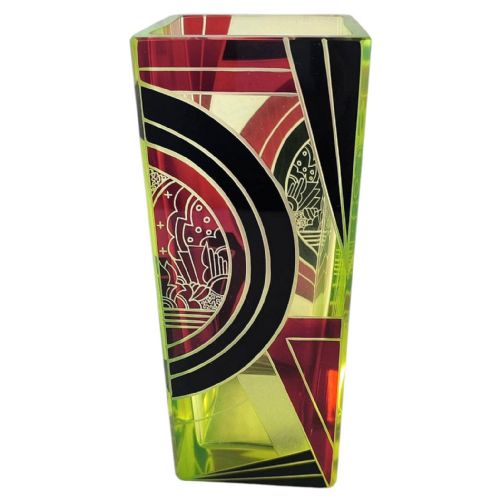
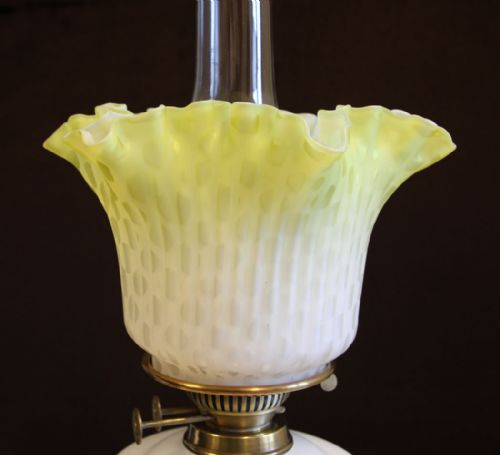
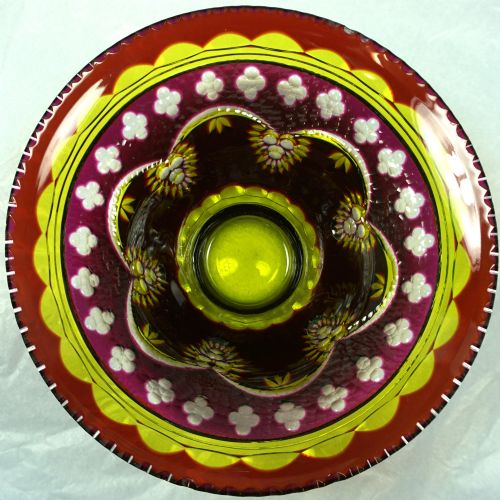
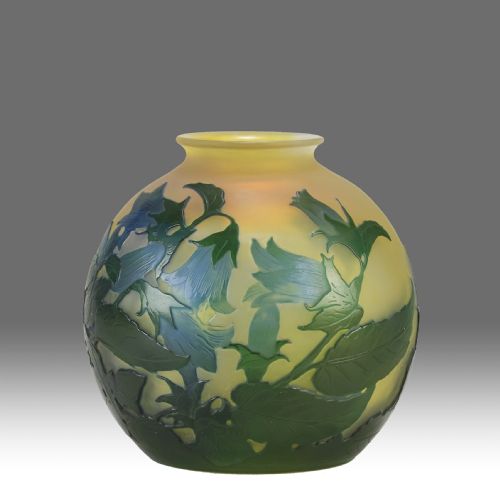
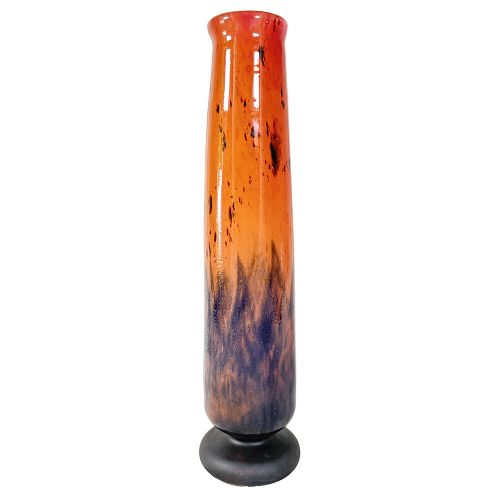
When you search for antique yellow glass, you encounter everything from Victorian vaseline bowls and lustres to sophisticated Art Nouveau cameo vases.
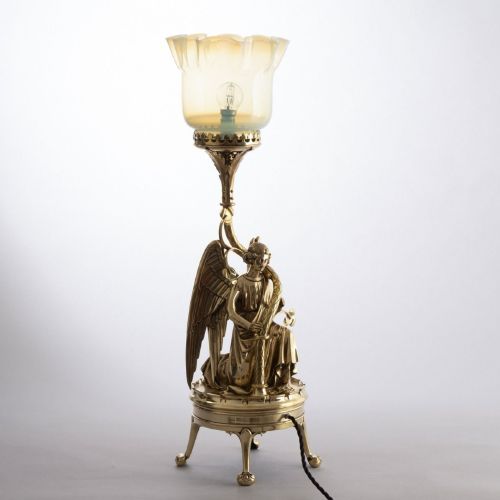
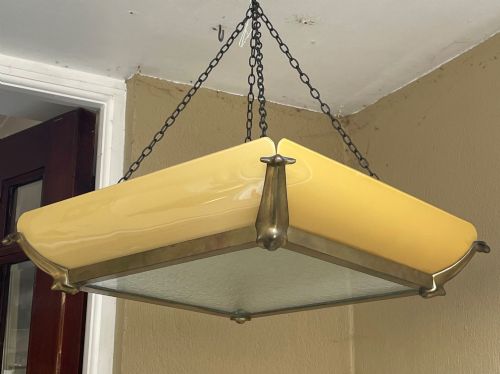
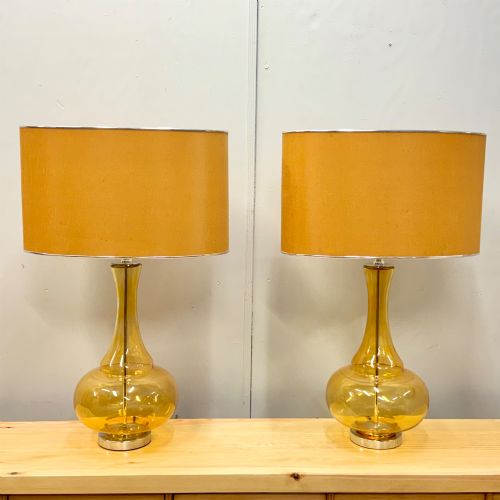
The selection includes lighting fixtures like oil lamps and wall sconces alongside decorative table vases produced across the nineteenth and early twentieth centuries.
Victorian and Edwardian examples sit alongside later Art Deco designs, demonstrating diverse European origins from English workshops to Bohemian and French glasshouses.
How They Were Made
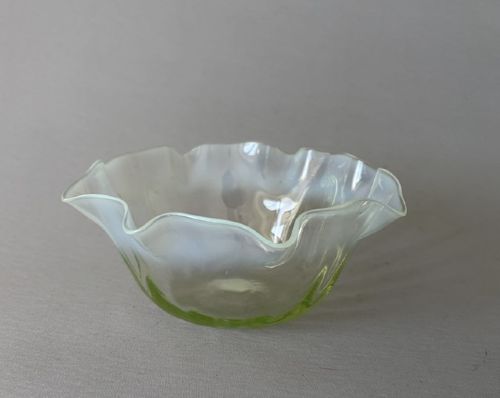
Makers utilised molten glass combined with minerals like uranium to achieve distinct translucent yellow and vaseline colourations.
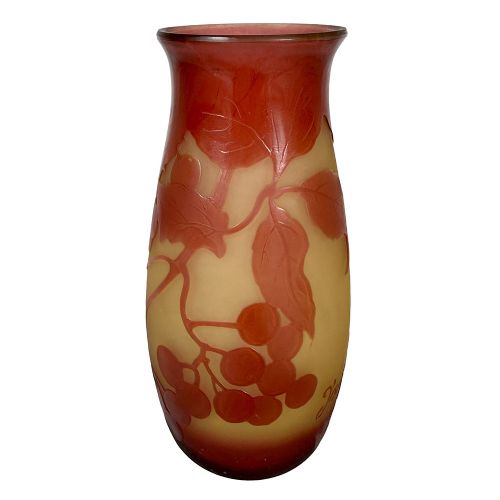
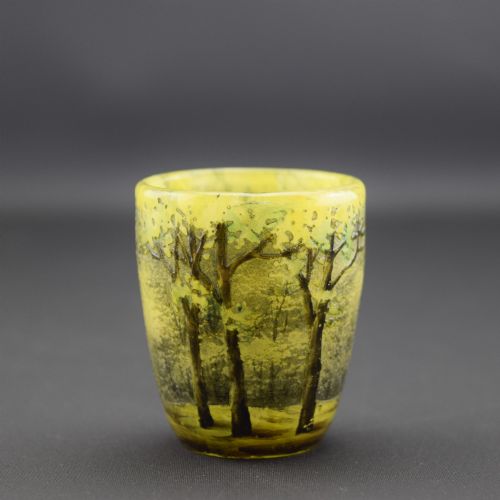
Cameo glass techniques involved acid-etching and carving multiple layered glass blanks to reveal contrasting colour designs.
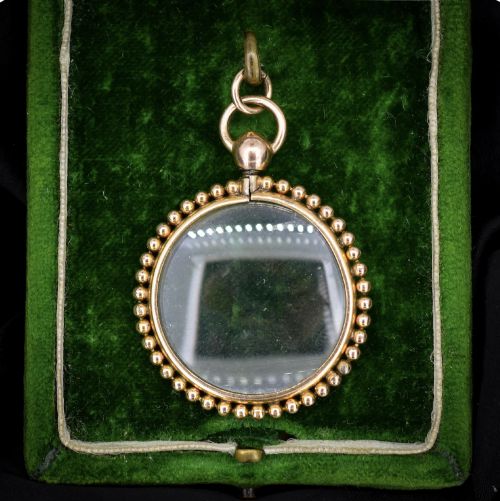
Mounts in brass, ormolu, and silver frequently complemented the glass bodies, particularly in oil lamps, lustres, and decorative dishes.
Antique Yellow Glass Retail Price Guide 2026
Typical asking prices for yellow glass among the pieces listed under this phrase on Sellingantiques today, from the lower quarter to the upper quarter. They describe what is for sale here now, not the wider market.
Several items require ultraviolet light to reveal their hidden glow, turning ordinary yellow vessels into neon green curiosities.
What Varies in Quality
Execution of design separates standard production items from masterworks, particularly in the depth and precision of cameo carving and acid-etching.
The sophistication of the glass form and the quality of secondary materials, such as heavy brass mountings or intricate ormolu work, dictate the standing of a piece.
Emile Galle·Daum·R Lalique·Loetz·Pallme Konig·Stevens & Williams·Whitefriars
The Antique Yellow Glass Glossary
- Vaseline glass
- A transparent or translucent yellow-green glass that contains uranium dioxide and glows brightly under ultraviolet light. It gained popularity during the Victorian era for decorative tableware and lighting.
- Cameo glass
- A luxury glass vessel produced by overlaying contrasting layers of coloured glass and carving or acid-etching the exterior layer to create a raised design. French and Bohemian makers excelled at this technique.
- Acid-etched glass
- A method where hydrofluoric acid is applied to the glass surface to eat away material and create frosted patterns or relief designs. This technique allowed for intricate botanical and landscape motifs.
- Lustre
- A decorative glass mantle or vase hung with cut glass prisms, designed to catch and reflect candlelight or gaslight. Victorian examples frequently utilised bold yellow glass bodies.
- Ormolu
- Gilded bronze mounts and fittings applied to decorative glass lamps and vessels. It provides a heavy, ornate structural support typical of high-end manufacturing.
Antique Yellow Glass: Frequently Asked Questions
What is vaseline glass?
Vaseline glass is a distinct type of translucent yellow or yellow-green glassware containing small amounts of uranium to achieve its characteristic hue. It typically exhibits a bright greenish glow when exposed to ultraviolet light.
Victorian makers utilised this material extensively for decorative bowls, cornucopia vases, and lighting components like oil lamp fonts.
How do I care for antique glass?
Wash antique glass pieces gently by hand using lukewarm water and mild soap, avoiding harsh scrubbing or sudden temperature changes. Dry them carefully with a soft microfiber cloth to protect fragile surfaces and applied mounts.
Keep pieces away from prolonged direct sunlight to preserve any original enamel work or sensitive colourings.
Are these lamps wired for modern use?
Lighting fixtures from the Victorian, Edwardian, and Art Deco periods often require rewiring to meet contemporary electrical safety standards. You should have a qualified electrician inspect any antique lamp or wall light before connecting it to a power supply.
Original burners and brass or ormolu components can usually be retained while updating the internal wiring safely.