





Antique Woven Sofreh
These antique woven sofreh are traditional tribal eating cloths and bread covers that bring authentic nomadic heritage and geometric texture to a modern interior.
Antique Woven Sofreh
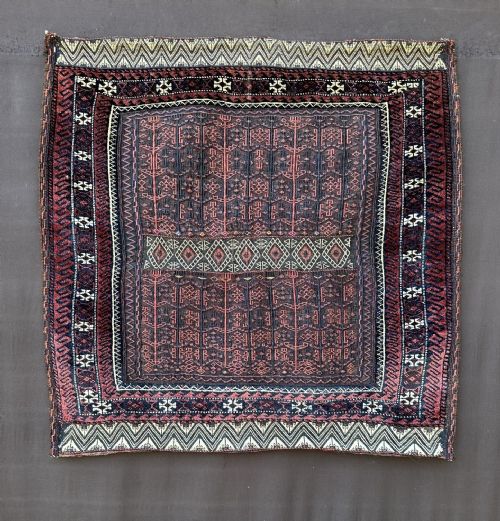
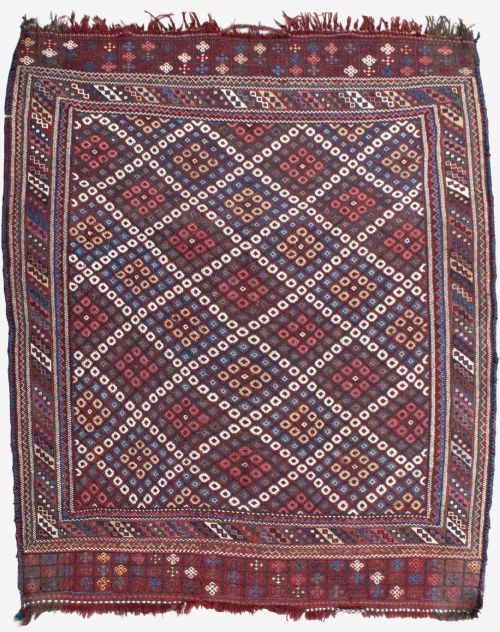
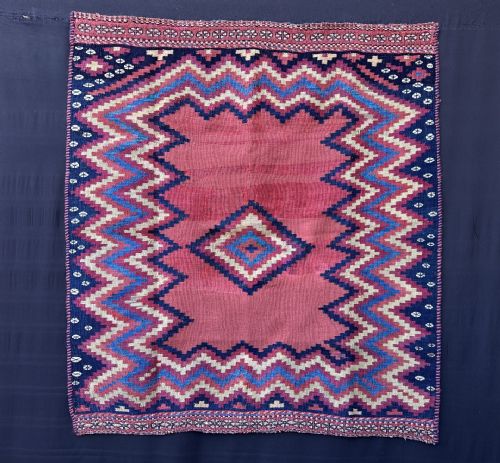
An antique woven sofreh is a textile created by tribal groups across Persia and Afghanistan to serve a practical domestic purpose. Nomadic households used these cloths for kneading bread, wrapping dough, or gathering the family for meals upon the ground. Most examples on this page hail from regional tribal confederations such as the Afshar, Baluch, Timuri, and Luri-Bakhtiari.
The aesthetic of an antique woven sofreh is grounded in the utilitarian requirements of nomadic life. Rather than ornate court designs, one encounters bold medallions, repeating tribal motifs, and utilitarian fields designed to withstand heavy floor use. They bridge the gap between textile art and ethnographic artefact, offering a direct link to the weaving practices of nineteenth and early twentieth-century tribes.
Materials and construction
The construction relies heavily on wool, often combined with cotton foundations and occasional uses of camel hair for natural tone and durability. These fibres were spun by hand and tightly woven using flatweave techniques, producing sturdy textiles designed for daily friction and folding. Natural dyes provide the palette, yielding deep earthy hues and abrash colour variations that settle gracefully over time.
Weavers from tribes such as the Afshar and Lor utilised warp-faced and weft-faced flatweave methods to build crisp geometric structures without deep pile. The integration of wool and cotton gave these cloths the necessary flexibility to be folded up after a meal or spread flat for food preparation. Every material choice reflects the local resources available to pastoral communities in regions like Kerman, Khorassan, and Luristan.
Antique Woven Sofreh Retail Price Guide 2026
Typical asking prices for woven sofreh among the pieces listed under this phrase on Sellingantiques today, from the lower quarter to the upper quarter. They describe what is for sale here now, not the wider market.
Some sofreh retain tiny traces of historic flour dust folded deep within their weave, whispering of nomadic kitchen floors from a century ago.
Assessing quality and craftsmanship
The distinction between standard pieces and the finest examples rests on the tightness of the weave and the precision of the tribal geometry. Superior cloths display a crispness in their motifs and a sophisticated use of natural dye saturation that creates visual depth across the field. Smoother handling and balanced proportions indicate a weaver working at the height of their regional tradition.
Condition and integrity relative to age also govern the standing of an individual sofreh. Because these textiles served demanding domestic roles, surviving examples that retain their original edges, uncompromised wool, and strong structural integrity command greater appreciation. The complexity of the tribal attribution and the rarity of the specific regional workshop further elevate the standing of the piece.
The Antique Woven Sofreh Glossary
- Sofreh
- A spread or cloth used in Persian and Afghan nomadic culture for eating meals or preparing bread. These textiles formed the central hearth around which tribal families gathered.
- Kilim
- A flatweave textile produced without a pile, resulting in a thin, durable fabric. This technique allowed tribal weavers to create sharp geometric patterns.
- Natural Dyes
- Colourants derived from plants, insects, and minerals rather than synthetic compounds. They produce rich, variable tones that mellow harmoniously as the textile ages.
- Flatweave
- A weave structure formed by tightly interweaving warp and weft threads without knotted piles. It creates a sturdy, reversible cloth suited to utilitarian tasks.
- Abrash
- Variations in colour shading across a rug or textile caused by changes in dye batches or hand-spun wool. It is a hallmark of authentic natural dyeing.
Antique Woven Sofreh: Frequently Asked Questions
What is a sofreh used for?
A sofreh served primarily as a dining cloth placed on the ground for communal meals, or as a dedicated surface for kneading and preparing bread dough.
Nomadic families relied on these durable textiles to keep food clean and to gather households together in tent or village dwellings.
How do I style a sofreh at home?
These flatweaves adapt well as floor rugs in low-traffic areas, or they can be hung on a wall to display their tribal geometry.
Their rectangular and square formats fit neatly beneath low coffee tables or along hallway spaces where their texture remains visible.
Which tribes made these textiles?
Production was centered among pastoral and nomadic groups including the Afshar, Baluch, Timuri, and Luri-Bakhtiari tribes across Persia and Afghanistan.
Each group incorporated distinct regional motifs and colour palettes into their flatweaves, reflecting their specific geographical territories.
How old are these antique sofreh?
The pieces recorded here typically date from the late nineteenth century through the early decades of the twentieth century.
This era encompasses traditional tribal weaving practices before the widespread adoption of commercial synthetic dyes.