



Antique Wool Work
Antique wool work spans tactile framed pictures and tribal wall hangings that bring rich texture and heritage into a room.
Antique Wool Work
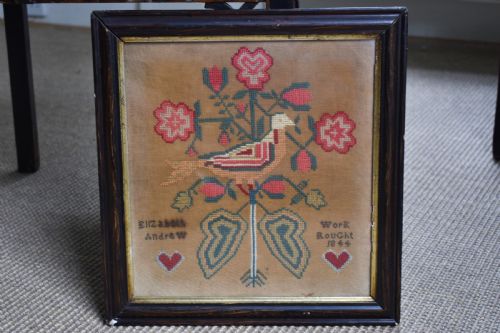
Antique wool work encompasses a diverse range of textiles, from Victorian framed pictures and samplers to tribal wall hangings and storage bags. When exploring antique wool work, buyers frequently encounter framed Berlin wool work, needlework panels, and embroidered wall art.
The pieces emerge from various historical contexts, including the Victorian era, the nineteenth century, and early twentieth-century tribal traditions. Forms vary from framed textile art and wall hangings to functional items like saddlebags and side chairs with wool work seats.
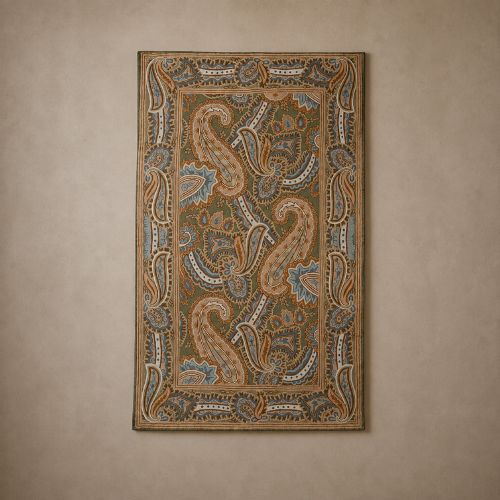
Origin styles range across Victorian folk art, Qajar, Regency, Jacobean revival, and nomadic tribal designs such as Persian, Baluch, and Central Asian work. This breadth ensures that collectors find both domestic European needlework and intricate tribal weavings.
How they were made
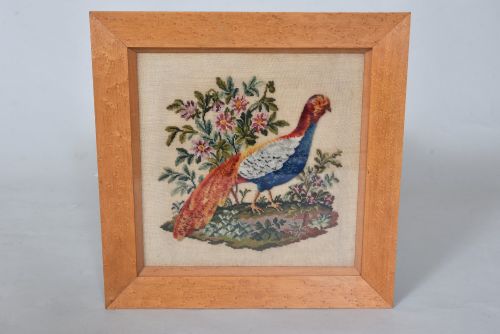
Makers utilised wool, cotton, silk, and felt stitched onto canvas or linen grounds to build rich colour and depth. Many pieces incorporate specialised techniques like plushwork, gros point, petit point, Berlin work, and Soumak weft work.
Frames play a crucial role in presentation, with surviving pieces often retained in original burr maple, giltwood, or rosewood frames. Supporting structures also include mahogany side chairs and sturdy felt appliques that secure the delicate embroideries.
Antique Wool Work Retail Price Guide 2026
Typical asking prices for wool work among the pieces listed under this phrase on Sellingantiques today, from the lower quarter to the upper quarter. They describe what is for sale here now, not the wider market.
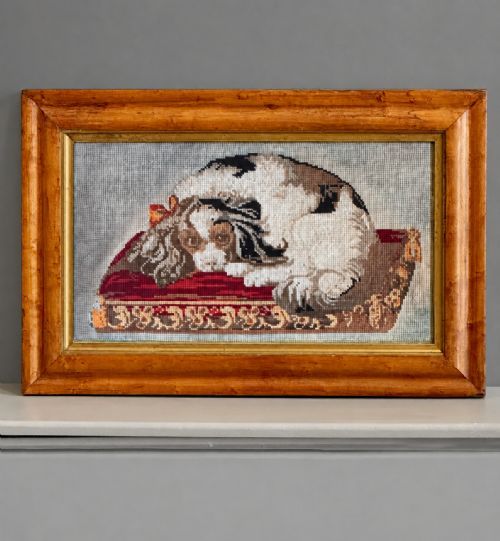
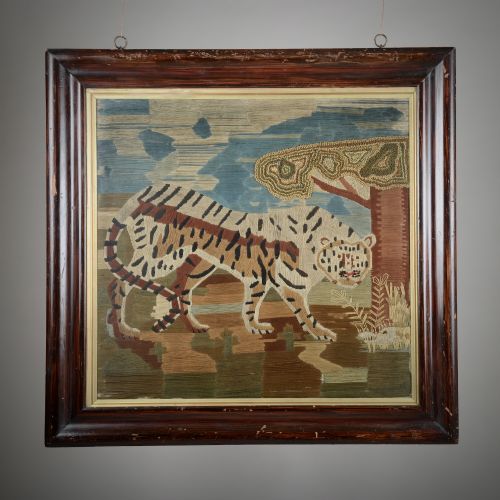
A fierce velvet-nosed tiger and a loyal King Charles spaniel preserve centuries of domestic devotion in wool.
What varies in quality
The finesse of the needlework and the complexity of the design separate standard items from superior examples. Precision in stitch execution, such as the fine detail in gros and petit point or Berlin work, indicates skilled handiwork.
Condition and originality heavily influence the standing of a piece, particularly the survival of original frames like burr maple or rosewood. Intact textile backs on tribal storage bags and well-preserved felt and silk appliques also elevate the integrity of the object.
The Antique Wool Work Glossary
- Berlin wool work
- A type of counted-thread embroidery popular in the nineteenth century, worked from printed and hand-coloured grid patterns. It utilised brightly coloured wool yarns on canvas grounds.
- Plushwork
- A variant of needlework that created a raised, velvety surface by clipping loops of wool yarn. This technique gave realistic texture to animals and foliage in Victorian pictures.
- Soumak work
- A flat-weaving technique used by tribal makers to create durable storage bags and trappings. It involves wrapping weft threads around warp threads in a herringbone pattern.
- Rasht embroidery
- A traditional form of textile art originating from Persia, characterised by intricate silk and felt applique work. These panels often display floral medallions and geometric motifs.
Antique Wool Work: Frequently Asked Questions
How should I hang antique wool work?
Display framed wool work and textile panels away from direct sunlight to protect the dyed wool and silk threads from fading. Ensure the wall is dry and use professional picture hooks suited to the weight of the frame.
For wall hangings without rigid frames, mount them carefully on a padded batten to distribute the weight evenly across the fabric. This prevents distortion of the canvas or backing material over time.
Can I use chairs with wool work seats?
Side chairs featuring antique wool work seats suit gentle everyday use when placed in low-traffic areas of the home. Sitting on them occasionally does little harm if the underlying frame and canvas remain robust.
However, heavy daily use accelerates wear on delicate wool and needlepoint stitches. Many collectors prefer to treat them primarily as decorative accent seating.
How do I distinguish Berlin work from plain needlework?
Berlin work typically exhibits a uniform, geometric pixelation caused by following charted grid patterns on point paper. The wool yarn is often thick and plump, filling the canvas completely with vibrant shades.
Standard needlework or crewelwork relies on freehand drawing and varied stitch lengths rather than a rigid counted grid. This results in more fluid lines and pictorial shading.