
Antique Wool Textile Art
These antique wool textile art pieces bring centuries of hand-woven colour and intricate needlework directly to your walls.
Antique Wool Textile Art
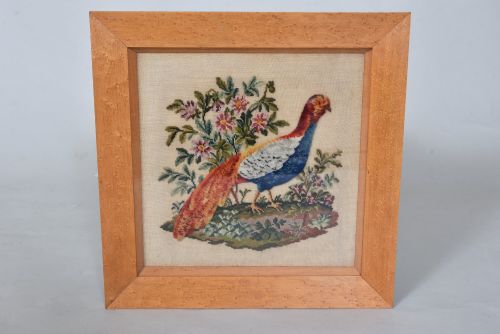
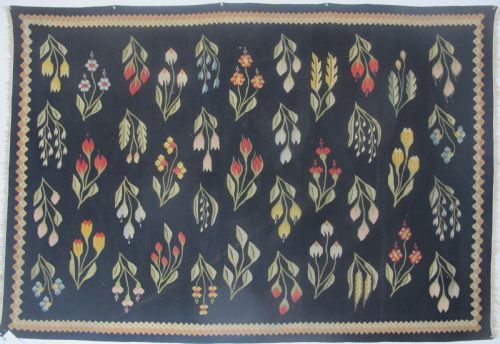
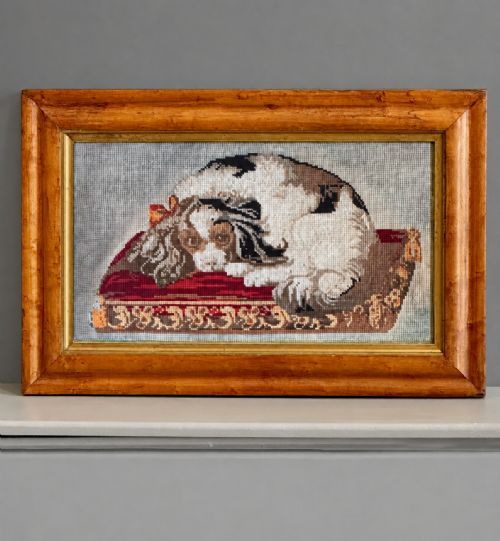
When you search for antique wool textile art, you encounter a diverse range of historical hangings, tapestries, and nomadic weavings. The selection spans centuries of domestic needlework and tribal craftsmanship, from European verdure panels to Central Asian embroideries.
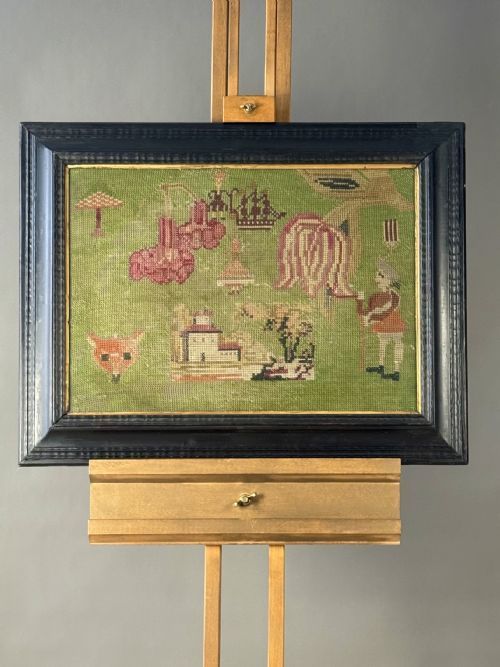
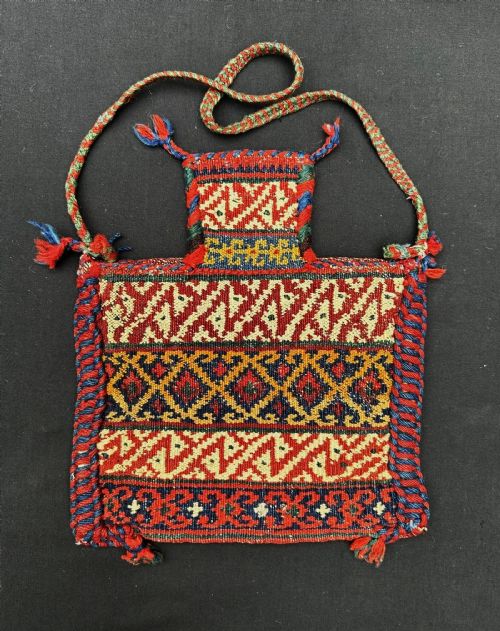
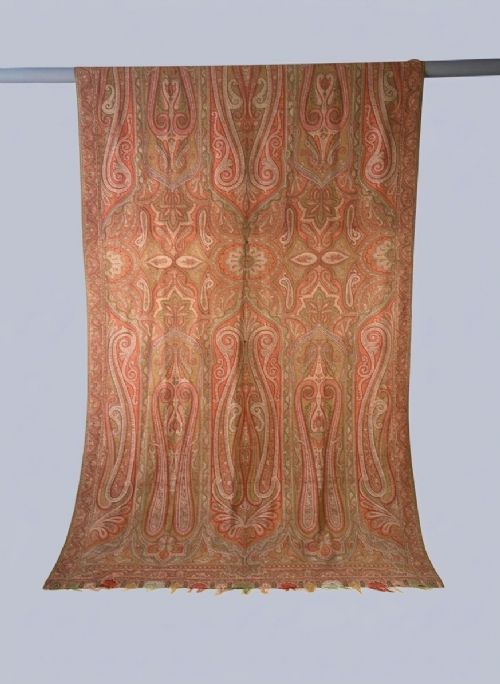
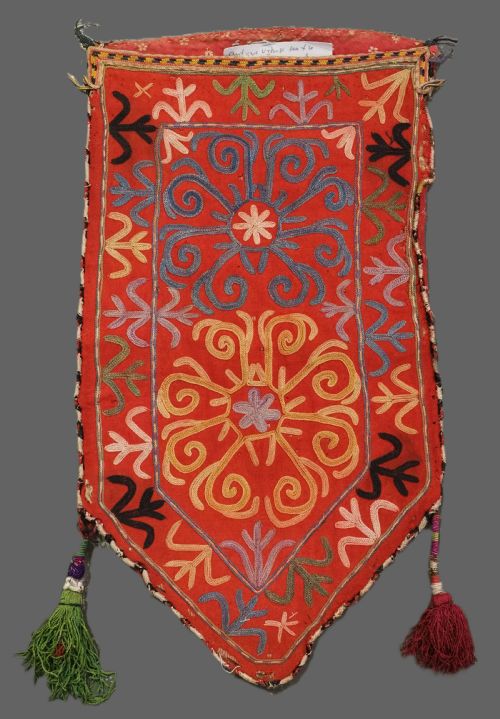
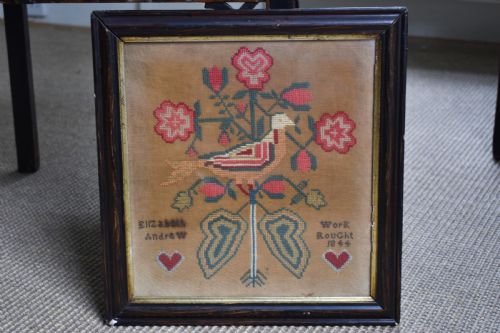
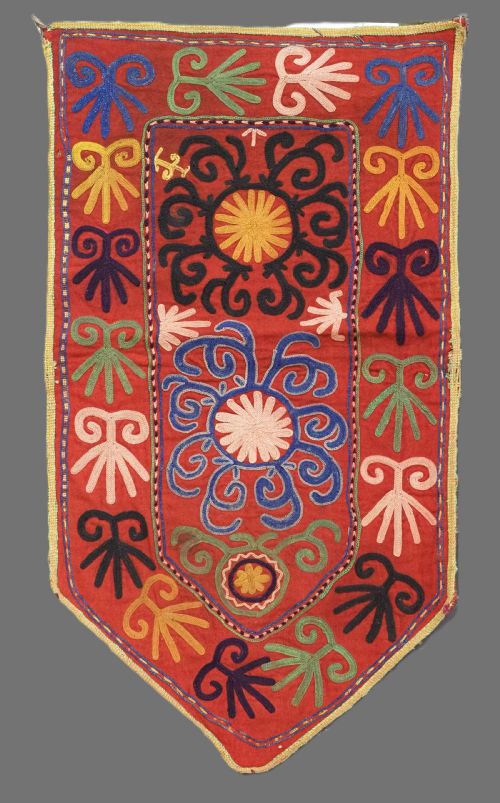
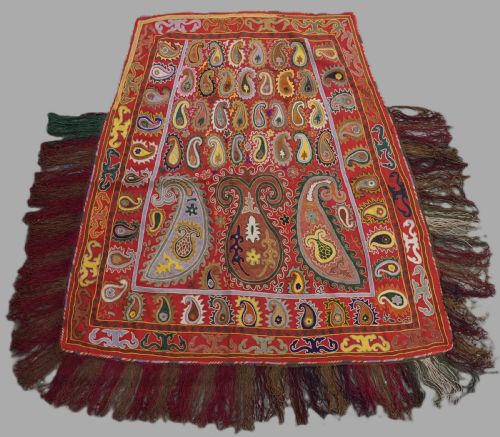
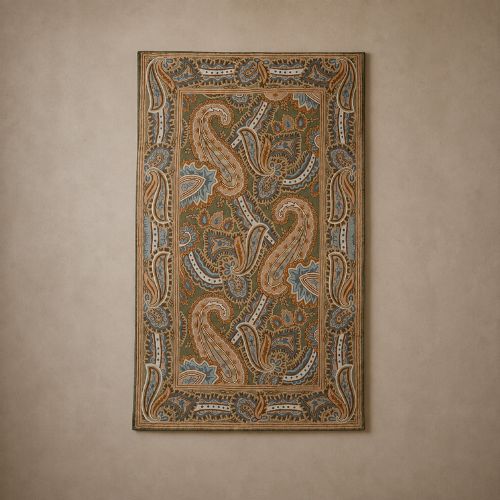
The pieces you are most likely to meet on this page include tribal bagfaces, wall hangings, and framed needlework pictures. These items showcase the domestic and nomadic handiwork of makers from the seventeenth century through to the early twentieth century.
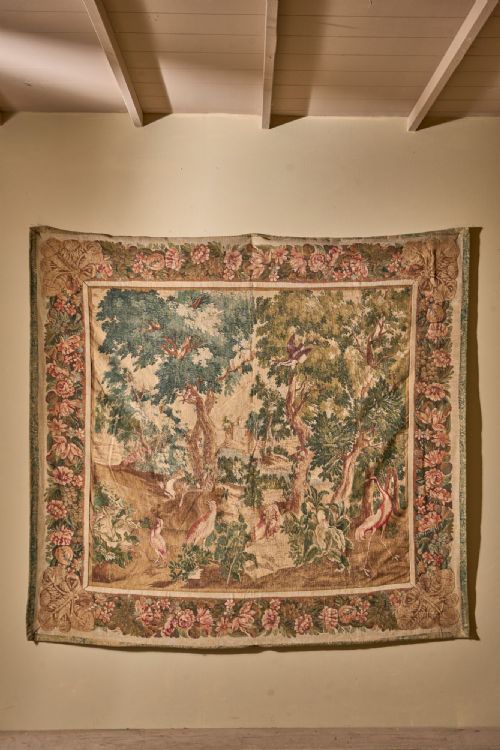
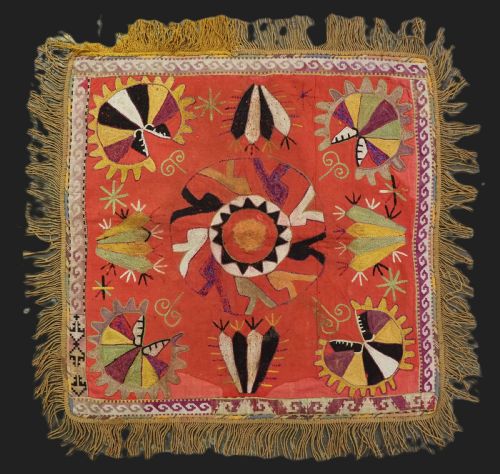
Originating from varied regions such as Persia, France, and Central Asia, these textiles reflect distinct cultural traditions. You will find examples ranging from French verdure tapestries to Yomut tribe asmalyks and Uzbek dowry embroideries.
What distinguishes finer examples
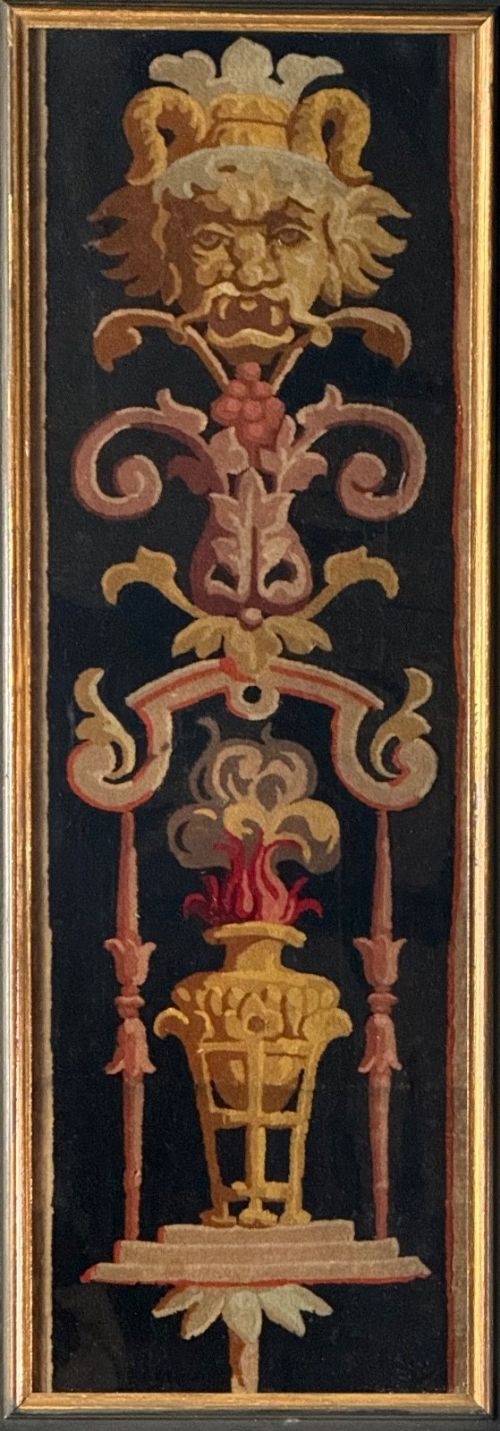
Quality in these textiles rests upon the density of the weave, the complexity of the needlework, and the retention of natural dye vibrancy. Finer pieces demonstrate meticulous execution in intricate motifs like grotesque masks or mille-fleurs backgrounds.
The integrity of the original backing, mounting, and framing contributes significantly to the standing of a piece. Well-preserved tribal dowry embroideries and large European verdure panels represent the upper tier of the range.
Listings feature periods spanning from the sixteenth century through the seventeenth, eighteenth, and nineteenth centuries, up to the 1920s.
The Antique Wool Textile Art Glossary
- Tapestry
- A form of textile art woven on a vertical loom using coloured weft threads to create a pictorial design. European examples often depict woodland scenes or classical figures.
- Asmalyk
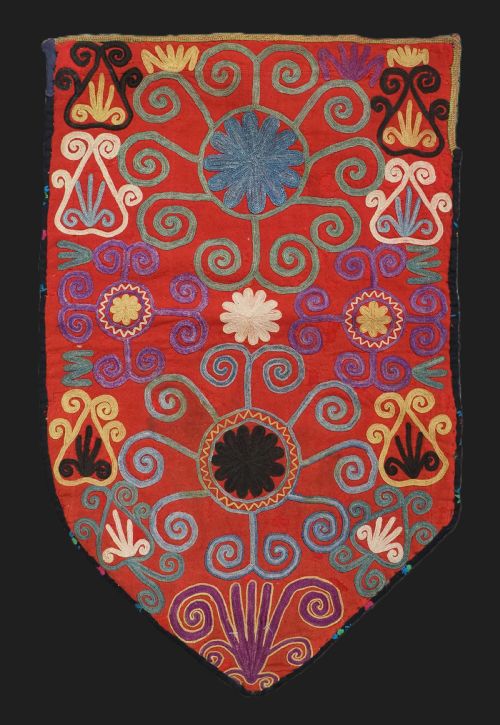
- A traditional camel trapping produced by Turkmen tribes, often pentagonal in shape and used during wedding processions. These are prized for their geometric tribal patterns.
- Needlework
- Stitched ornamentation executed by hand on a woven ground using wool, silk, or cotton threads. Samplers and framed pictures demonstrate this domestic technique.
- Verdure
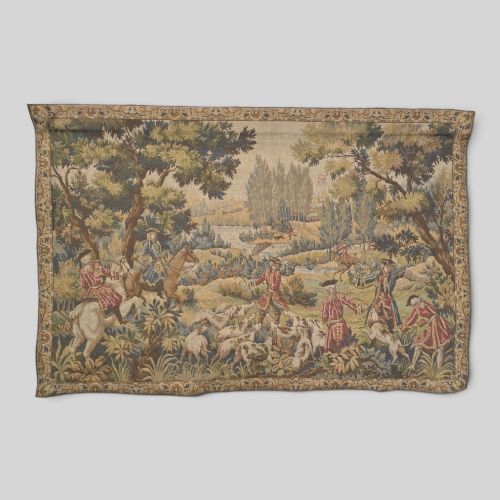
- A style of tapestry or painting featuring lush, green foliage, trees, and often animals or birds. Seventeenth and eighteenth-century French and Flemish examples are typical.
- Ilgich
- An embroidered hanging produced by the Lakai tribe in Central Asia, utilised as dowry decoration. They feature bold geometric designs executed in vibrant wools.
Antique Wool Textile Art: Frequently Asked Questions
What is antique wool textile art?
Antique wool textile art encompasses historical hand-woven and embroidered items made primarily from wool, including tapestries, wall hangings, and tribal bags.
These objects originate from various traditions across Europe and Asia, reflecting centuries of domestic and nomadic craft.
How were these textile pieces used originally?
Many items served practical and ceremonial purposes within nomadic or domestic settings, such as saddle covers, dowry hangings, and horse decorations.
European counterparts were woven as wall coverings and tapestries to insulate rooms and display wealth or artistic taste.
How do I care for a wool textile art piece?
Protect antique textiles by keeping them away from direct sunlight to prevent natural dye fading. Mount them securely on breathable backings to support their weight over time.
Avoid excessive humidity and consult a textile conservator for professional cleaning advice when necessary.
How can I tell the different regional styles apart?
Regional styles reveal themselves through distinct motifs, colour palettes, and construction methods. Central Asian and Persian tribal pieces often display geometric symbols and nomadic iconography.
European works, such as French verdure panels, typically feature classical landscapes, floral borders, and woven pastoral scenes.