




Antique Woodwork
Antique woodwork comprises small domestic objects and architectural fragments fashioned from timber across various centuries.
Antique Woodwork
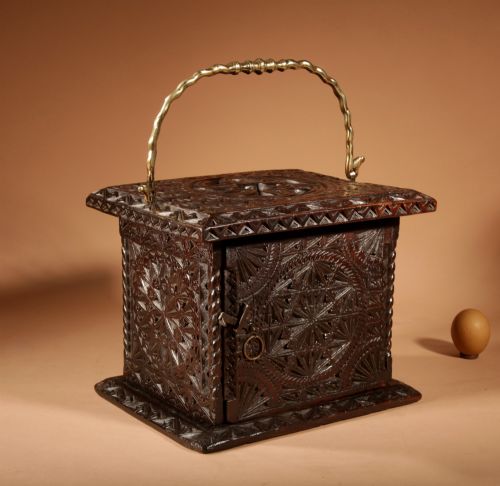
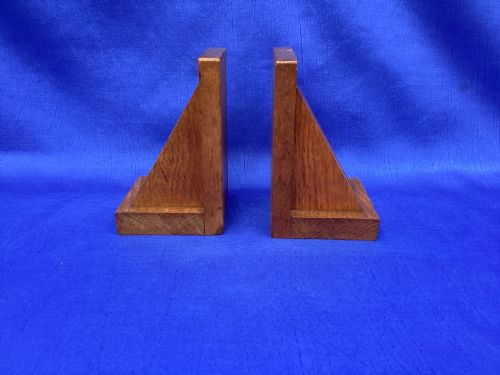
The pieces on this page span several centuries, with items originating from the eighteenth, nineteenth, and early twentieth centuries. Common forms include book slides, carved bowls, foot stoves, and specialist tools, often displaying distinct regional styles.
Originating from English, Welsh, Dutch, Frisian, Indian, and Chinese makers, the selection represents diverse cultural practices in timber manipulation. Domestic items sit alongside workshop tools, showing how utility and ornament intersect in historical woodwork.
How they were made
Makers utilised a range of domestic and exotic timbers such as oak, walnut, rosewood, elm, boxwood, and burr birch, often combining them with brass, steel, and wax decoration. Hand tools such as planes, mallets, and chisels shaped the raw timber through cutting, turning, and carving.
Surface decoration techniques include chip carving, polychrome wax application, poker work, and intricate Tunbridge Ware marquetry mosaics. Joinery methods like draw bore pinning and architectural tracery carving demonstrate traditional structural carpentry.
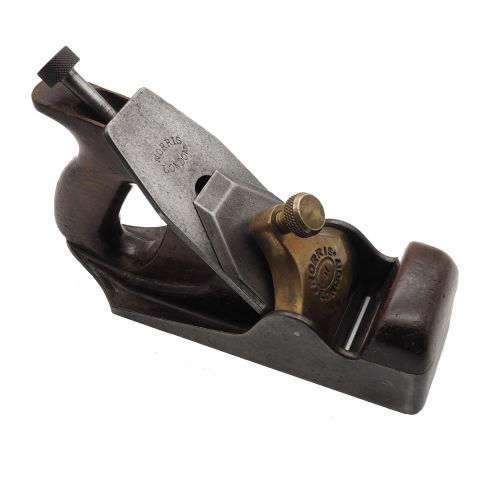
The production methods vary from vernacular folk art to precision workshop manufacturing, as seen in specialised smoothing planes and turned treen bowls. Each piece relies on manual dexterity and traditional material handling rather than mass production.
Antique Woodwork Retail Price Guide 2026
Typical asking prices for woodwork among the pieces listed under this phrase on Sellingantiques today, from the lower quarter to the upper quarter. They describe what is for sale here now, not the wider market.
The listings include nineteenth century Tunbridge Ware book-slides, early twentieth century woodworking tools, and eighteenth century oak Gothic carvings.
What varies in quality
Quality in antique woodwork depends on the precision of the hand-carving and the integrity of the original construction. Crisp detailing in architectural tracery or chip carving distinguishes superior pieces from simpler utilitarian items.
The choice of timber and the preservation of original surfaces also dictate the standing of an object. Patina developed through age, combined with intact decorative elements like polychrome wax or brass fittings, elevates a piece.
Early Norris London·Gordon Russell·John Knox·Mein of Kelso
The Antique Woodwork Glossary
- Tunbridge Ware
- A type of nineteenth-century woodwork characterised by mosaic decoration formed from tiny pieces of naturally coloured woods to create pictorial designs.
- Treen
- Small domestic wooden objects made by turning on a lathe, such as bowls and miniature containers.
- Draw bore pin
- A tapered metal or wooden pin used in traditional joinery to align mortise and tenon joints before securing them permanently.
- Poppy head
- An architectural ornament carved on the top end of a bench seat, typically seen in Gothic church woodwork.
- Tracery
- Openwork pattern stonework or woodwork ornamentation, frequently found in Gothic architectural panels.
Antique Woodwork: Frequently Asked Questions
What is antique woodwork?
Antique woodwork encompasses historical objects, tools, and decorative items fashioned primarily from timber. These pieces range from practical household accessories to intricate folk art carvings.
Items date across multiple centuries and reflect diverse regional styles and manufacturing techniques used by historical artisans.
How are wooden antiques dated?
Dating relies on stylistic markers, tool marks, construction methods, and the specific timber species used. Certain decorative motifs or regional woodworking traditions help assign items to particular eras.
Documentation, inscriptions, or known maker signatures also provide reliable chronological markers for specific pieces.
What is treen woodwork?
Treen refers to small, functional wooden objects created for domestic use, typically on a lathe. Examples include turned bowls, small boxes, and desk accessories.
These items were everyday household possessions that acquired a rich patina through handling and age.
How do I care for antique wood?
Antique woodwork requires stable environmental conditions away from direct sunlight and extreme humidity fluctuations. Maintaining consistent room temperatures prevents the timber from drying out or splitting.
Applying occasional appropriate wax preserves the surface sheen without damaging the historical patina of the piece.