


Antique Wooden Work Desk
An antique wooden work desk brings tactile warmth and period character to any study.
Antique Wooden Work Desk
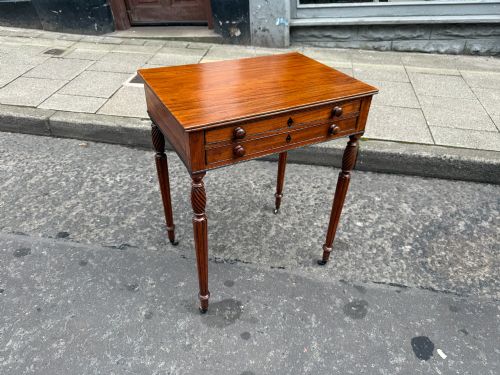
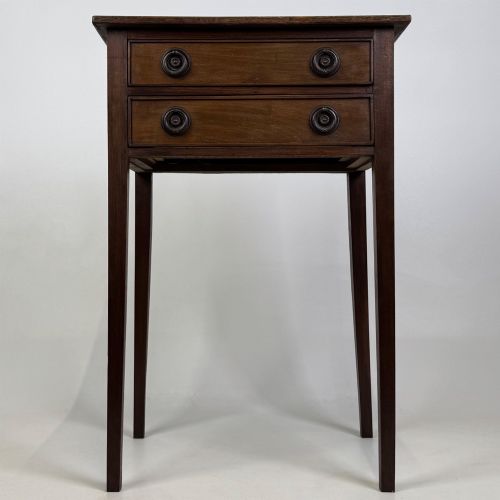
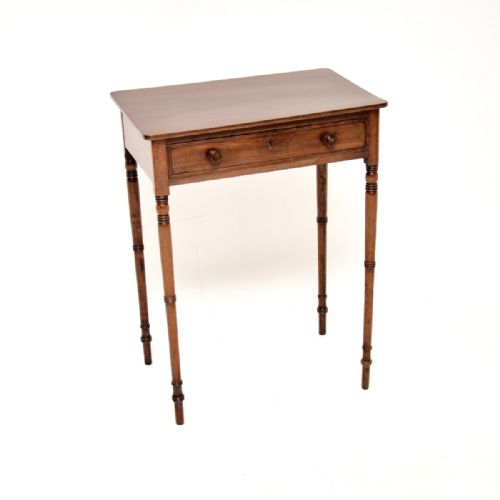
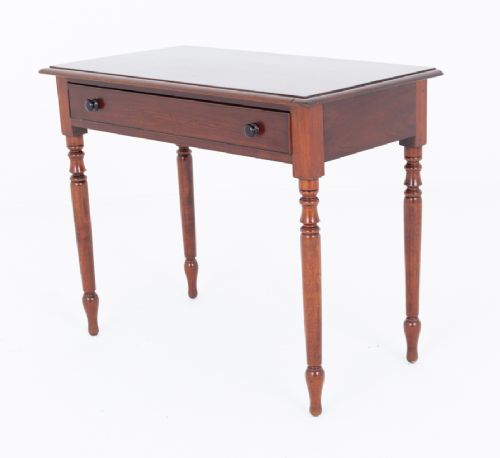
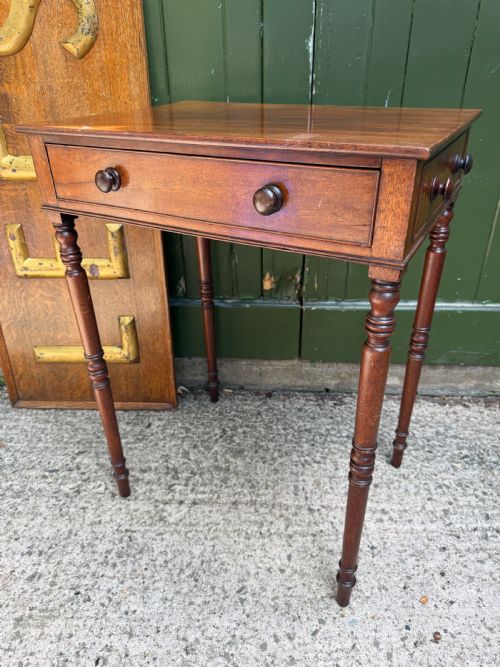
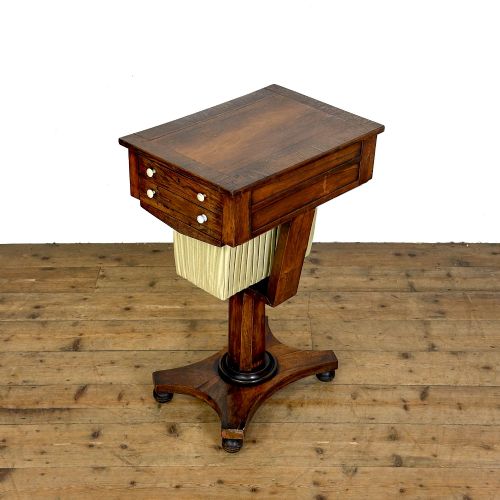
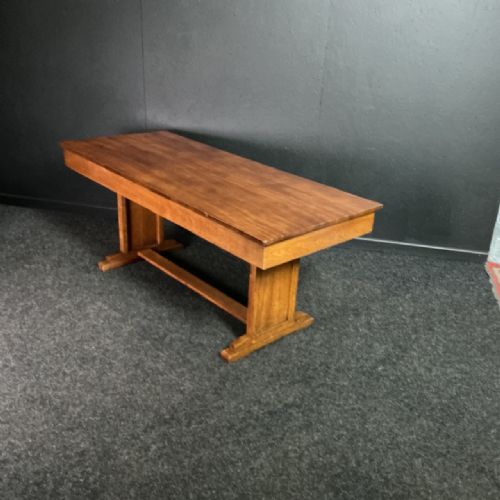
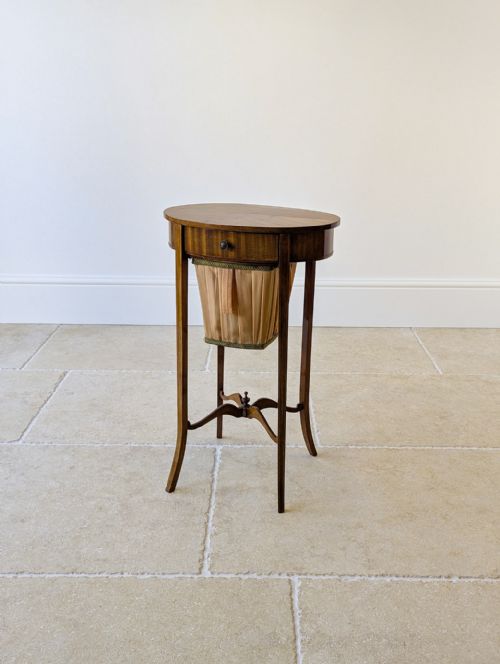
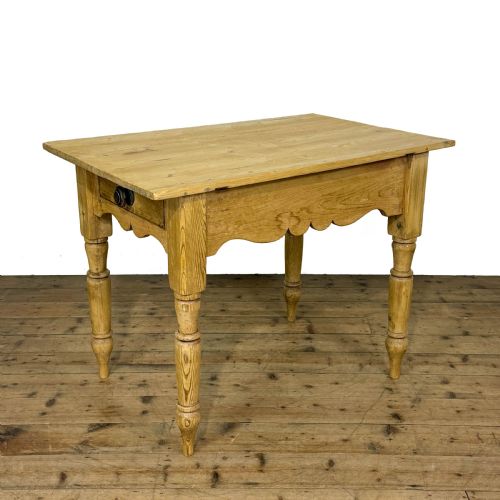
When searching for an antique wooden work desk, buyers encounter an array of tables, writing slopes, and work tables spanning the Georgian, Victorian, and Edwardian eras. These pieces range from refined satinwood ladies' tables to robust oak and pine writing furniture designed for schoolrooms or domestic study.
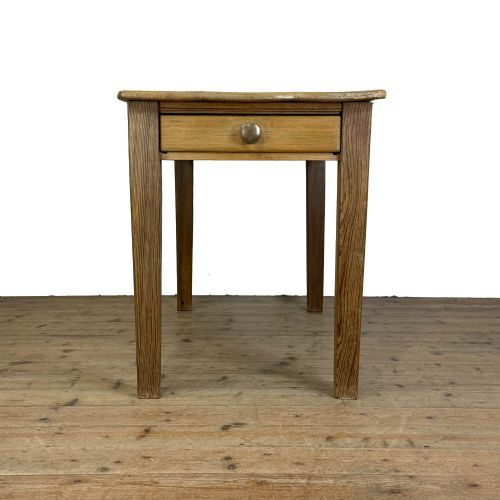
The selection frequently includes mahogany writing tables and rosewood work tables alongside simpler pine farmhouse and kitchen tables utilised for writing tasks. Regional variations such as Swedish painted pine and Spanish walnut occasionally appear alongside British domestic forms.
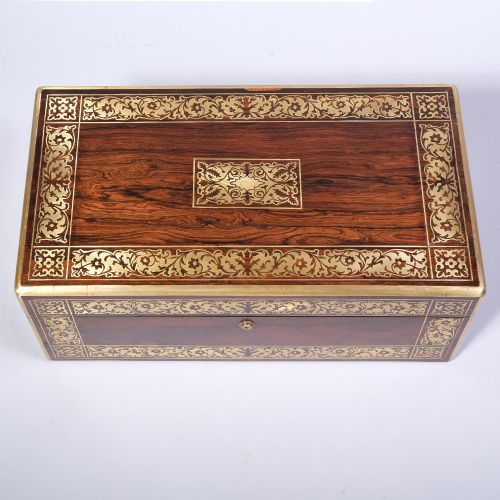
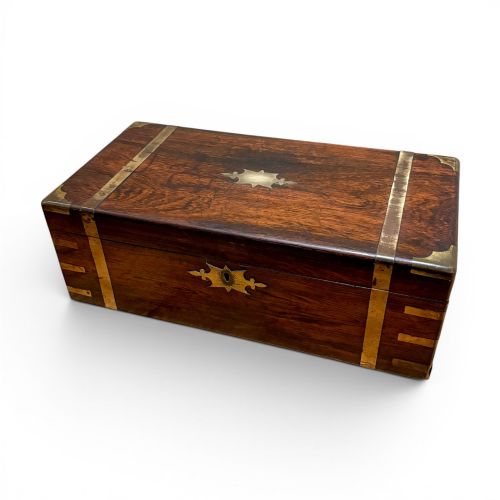
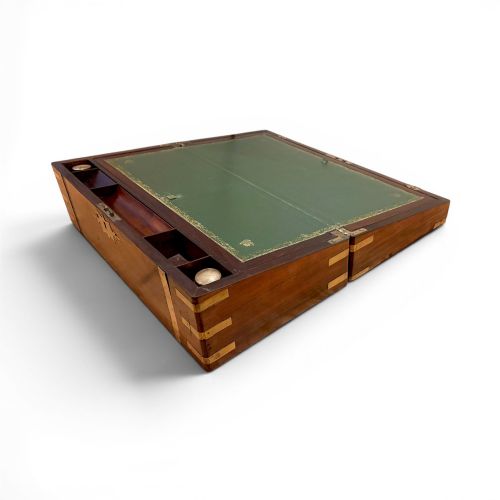
Smaller portable writing boxes and slopes also feature under this heading, offering fitted interiors for correspondence. Buyers select these items to integrate traditional craftsmanship and timber grain into modern working spaces.
Materials and construction methods
Cabinet makers relied heavily on dense hardwoods such as mahogany, walnut, and rosewood for formal writing tables and work tables, often accentuating the grain with satinwood inlay or brass binding. Pine served extensively for utilitarian kitchen and drapers tables, sometimes finished with traditional paint.
Joinery techniques matched the function of the piece, utilising dovetailed drawer construction and solid timber tops fixed to sturdy frames. Brass hardware, including campaign mounts and working locks, provided functional durability alongside decorative contrast.
Listings feature items built from mahogany, pine, oak, walnut, paint, satinwood, and rosewood across the Georgian, Victorian, and Edwardian periods.
Assessing quality in writing furniture
Quality rests upon the selection of timber figures, such as flame mahogany or burr wood veneers, matched with precise inlay work and marquetry. Superior examples display crisp moulding details and original brass fittings that remain secure within the surrounding wood.
Structural integrity and the retention of original surface patination distinguish finer pieces from heavily restored items. The presence of working keys for fitted writing compartments and original painted finishes adds tangible merit to the construction.
Wilkinson Leicester·J Kingerley Manchester
The Antique Wooden Work Desk Glossary
- Satinwood
- A lustrous hardwood native to Ceylon and India featuring a fine yellow grain. Cabinet makers utilised it for stringing and decorative veneers on late eighteenth and nineteenth-century tables.
- Writing slope
- A portable box with a sloping hinged lid that opens to reveal a lined writing surface and pigeonholes. These items provided a portable desk space before fitted studies became common.
- Marquetry
- The art of applying pieces of veneer to a structure to form decorative patterns. Craftsmen utilised various coloured woods to create intricate floral or geometric motifs on tabletops.
- Campaign desk
- Folding or portable furniture constructed for military officers on active service. These pieces typically feature recessed brass handles and corner brackets for protection during transit.
- Drop leaf table
- A table with fixed centre section and hinged flaps on either side that fold down. This design allowed users to extend surface space only when needed.
Antique Wooden Work Desk: Frequently Asked Questions
How do I identify a Victorian writing table?
Victorian writing tables typically feature dense timbers like mahogany or rosewood, sometimes accented with brass binding or turned legs. They often include one or more frieze drawers for storing stationery.
Comparing the proportions and timber grain against dated examples helps confirm the nineteenth-century origin of the piece.
Where were writing slopes used?
Writing slopes were utilised in homes, offices, and during travel to provide a stable, angled surface for correspondence. Their portable nature allowed users to move them between rooms or pack them for journeys.
The interior compartments held inkwells, pens, and paper securely while closed.
What timber was used for Georgian desks?
Georgian desk furniture relied predominantly on mahogany, oak, and occasionally walnut. Cabinet makers selected these dense woods for their stability and capacity to take a fine polished finish.
Secondary woods like pine often appear in drawer linings and internal framing.