

Antique Wooden Windows
These antique wooden windows and related architectural elements bring period character and genuine craftsmanship to modern interiors.
Antique Wooden Windows
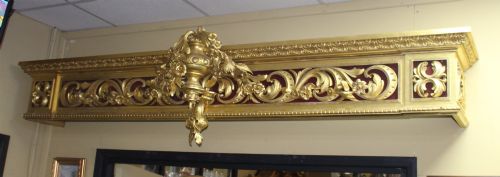
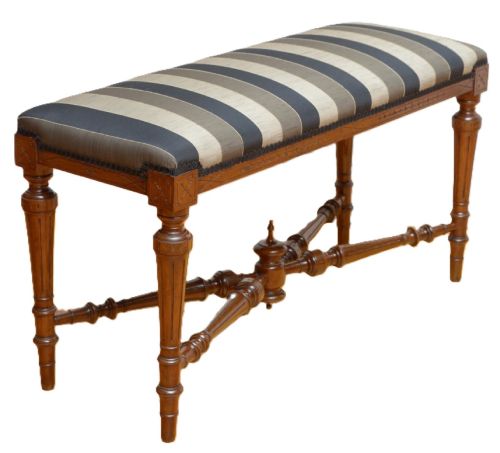
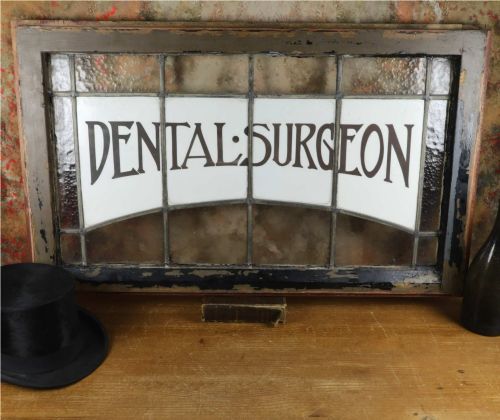
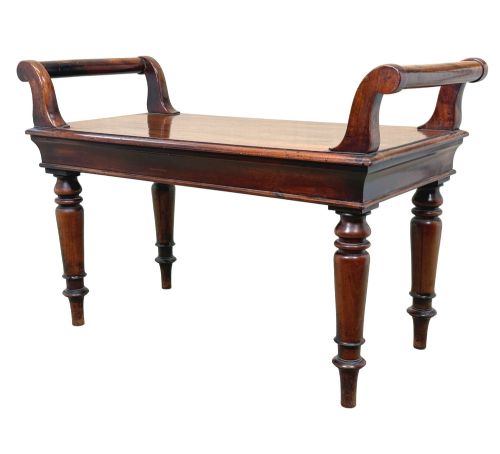
When searching for antique wooden windows, buyers encounter architectural salvage alongside related pieces designed for light and framing, such as pelmets, window seats, and architectural panels. The selection spans centuries of design, reflecting the tastes of Georgian, Victorian, and Edwardian makers.
Originating from English country houses, town properties, and international workshops, these pieces show how domestic architecture evolved. The surviving examples range from simple pine window seats to elaborately carved pelmets and gothic frames.
Materials and construction methods
Cabinet makers and joiners relied heavily on solid hardwoods like oak, mahogany, and walnut for structural integrity and fine surface detail. Softer timbers such as pine received paint finishes, while exotic woods like burr maple and satin walnut provided decorative contrast.
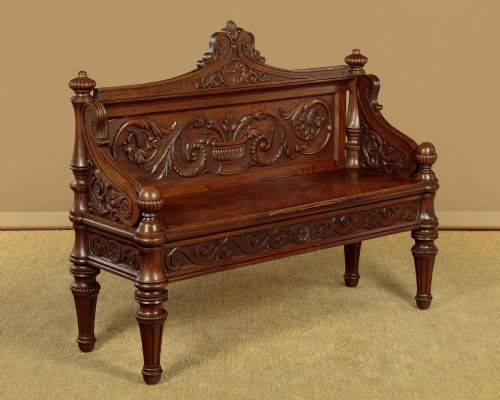
Traditional joinery techniques including mortise and tenon joints kept frames and seating stable over centuries of use. Carved ornamentation, brass mounts, and upholstered elements in silk, linen, and fabric completed the construction of these functional architectural fittings.
Antique Wooden Windows Retail Price Guide 2026
Typical asking prices for wooden windows among the pieces listed under this phrase on Sellingantiques today, from the lower quarter to the upper quarter. They describe what is for sale here now, not the wider market.
The listings feature timbers including oak, mahogany, walnut, and painted pine alongside styles spanning Gothic Revival, Regency, and Edwardian periods.
Distinctions in quality and execution
The distinction between ordinary utility items and exceptional pieces rests upon the crispness of the hand-carved ornamentation and the selection of figured timbers. Workshops known for high standards utilised superior joinery and carefully matched veneers.
Proportion and architectural harmony separate standard joinery from the work of notable makers and specialist designers. Pieces retaining their original finish and structural integrity demonstrate the durability inherent in period craftsmanship.
James Shoolbred·James Shoolbred and Co·GIllows·D.J. McLauchlan
The Antique Wooden Windows Glossary
- Pelmet
- A wooden architectural fixture placed above a window to conceal curtain fixtures. These often feature carved wood composition or inlaid details.
- Window seat
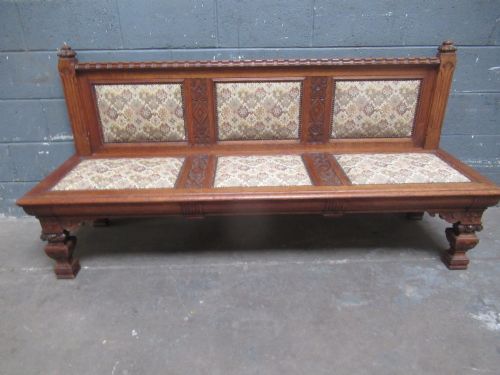
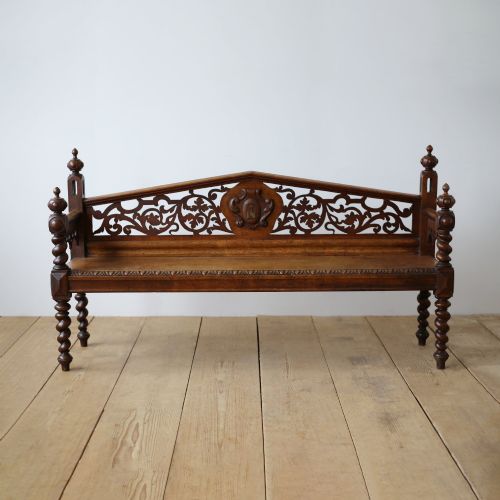
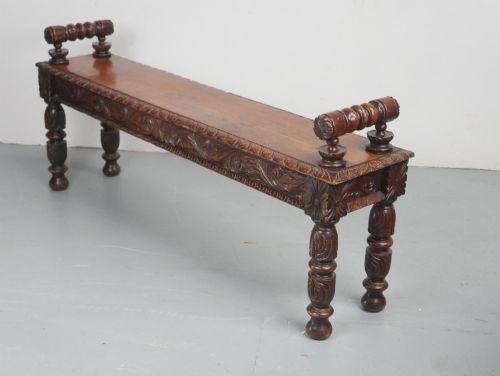
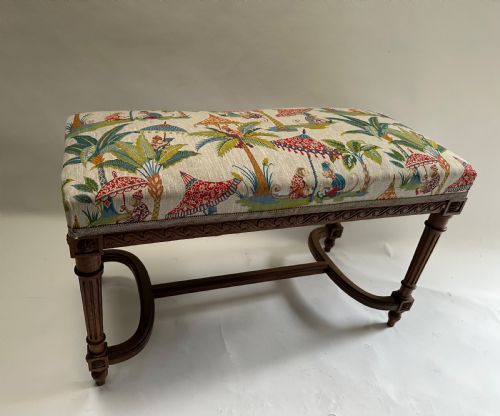
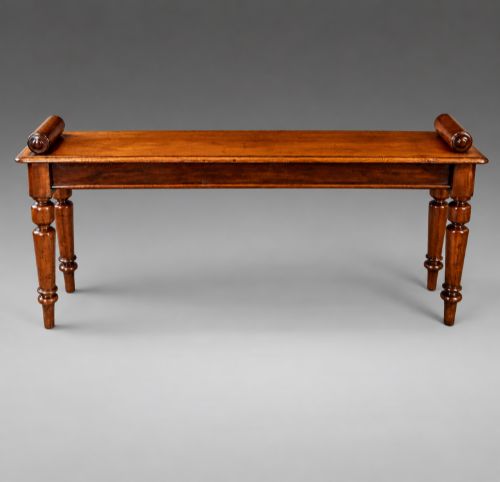
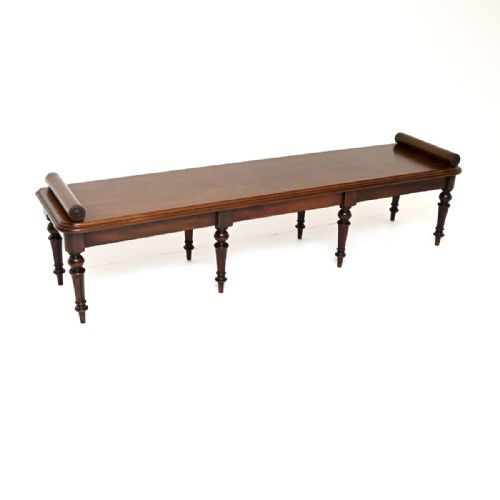
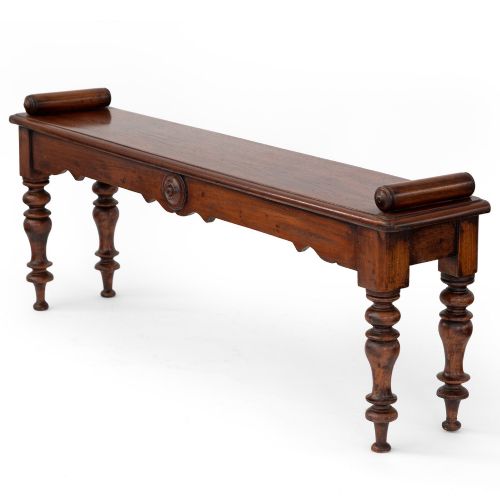
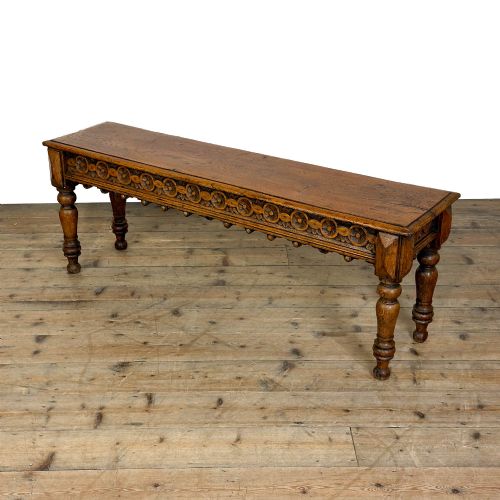
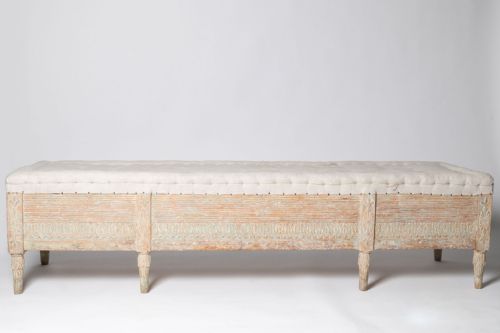
- A long bench designed specifically to fit within a window recess. They appear in mahogany, oak, and painted pine across various periods.
- Architectural salvage
- Building elements rescued from older structures for reuse in interior design. This category includes frames, panels, and cornices.
- Gothic Revival
- A nineteenth-century style drawing on medieval architectural motifs. Pieces in this style often display pointed arches and heavy carved oak.
Antique Wooden Windows: Frequently Asked Questions
How do I date antique wooden windows?
Dating relies on examining the timber species, tool marks left by manufacture, and stylistic details typical of specific eras like the Victorian or Edwardian periods.
Comparing construction methods with documented examples from the same century helps confirm the age of the woodwork.
Where were window seats placed?
These benches were built to fit directly into deep window recesses in large country houses and town residences. They provided a comfortable spot to sit near natural light.
Later examples were also used independently as hall benches or end-of-bed seating.
What timber was used most?
Oak and mahogany appear most frequently in the surviving examples, prized for their strength and rich grain. Walnut and painted pine were also common choices for decorative interior fittings.
Cabinet makers selected specific woods based on the prevailing style of the decade.
How do I clean old timber?
Maintenance requires gentle dusting with a dry cloth to protect the historic patina and finish. Avoid harsh modern chemical cleaners that strip natural oils from the wood.
Applying occasional wax preserves the surface without altering the appearance of the antique.