
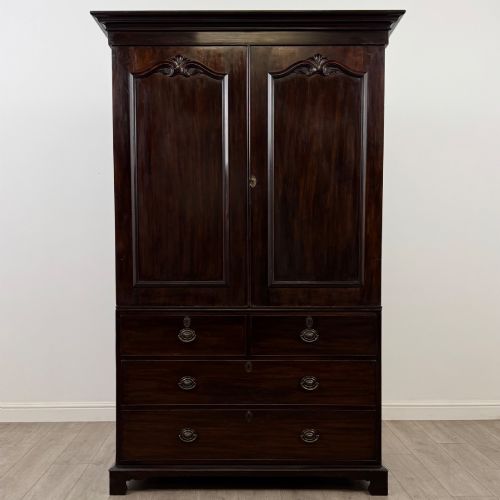
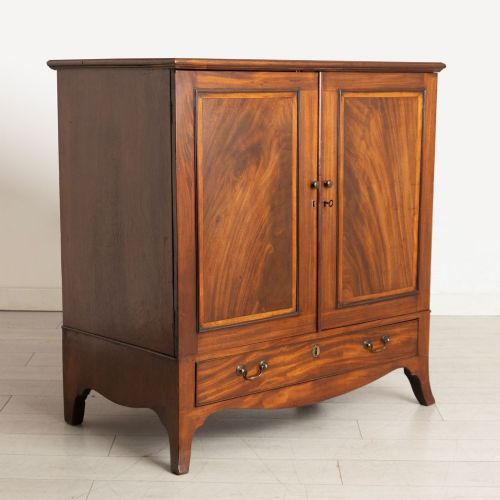
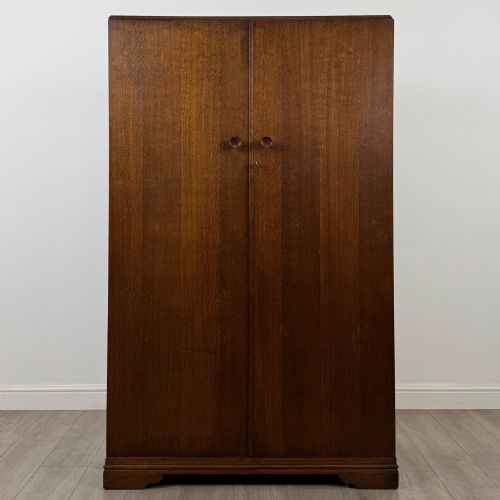
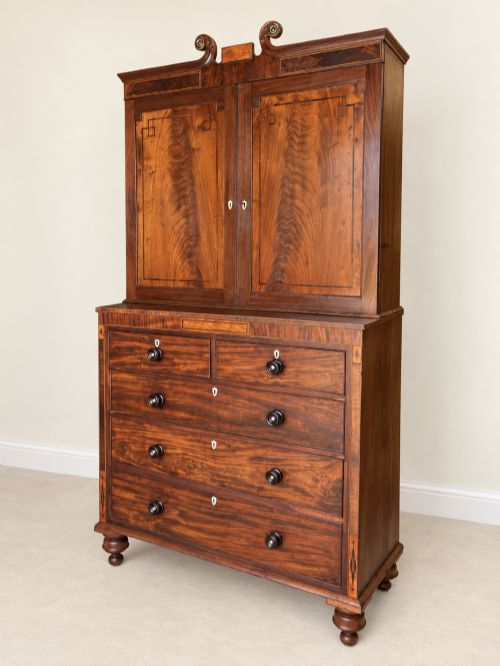
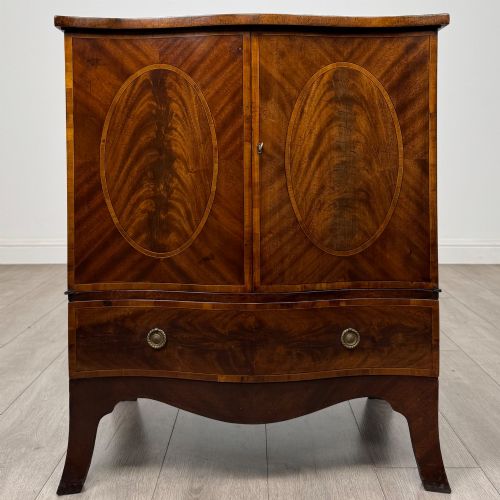
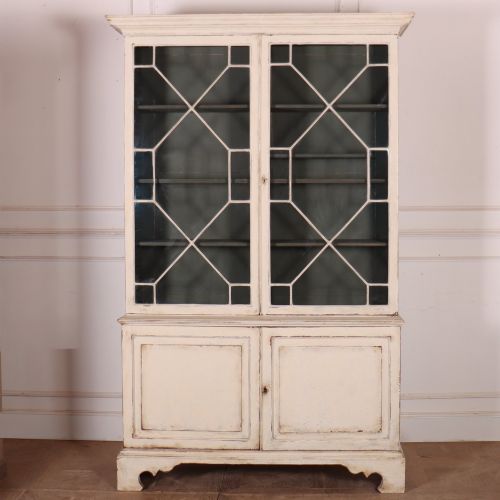
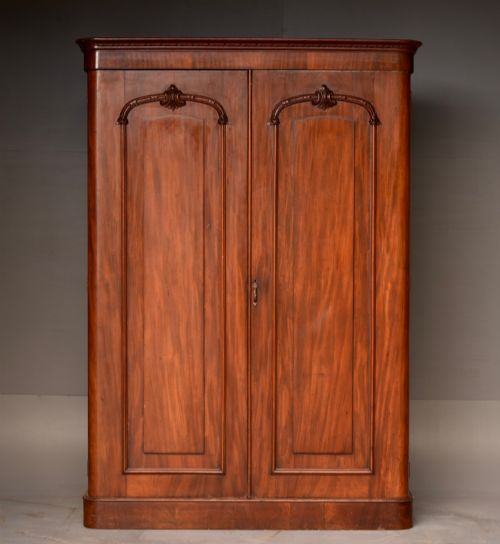
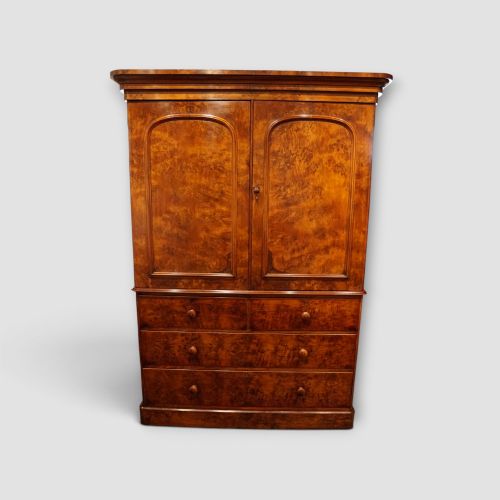
Antique Wooden Storage Press
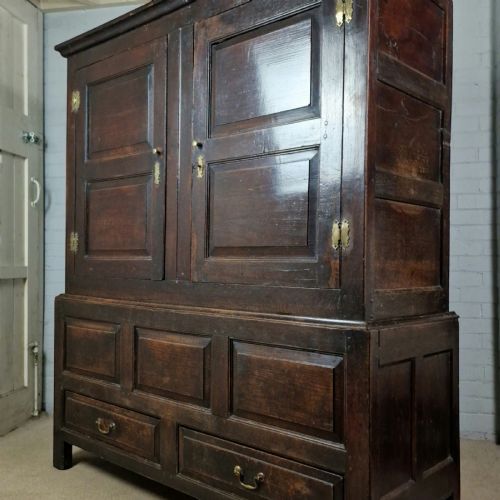
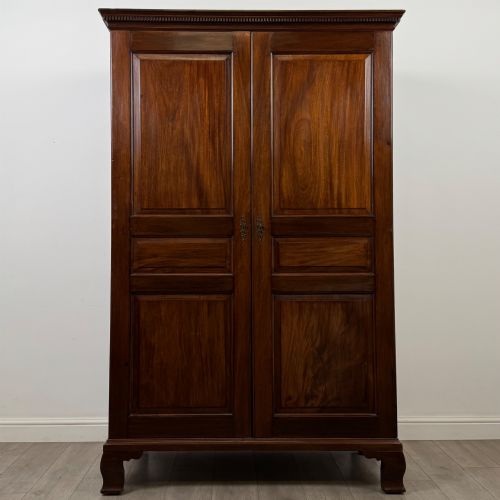
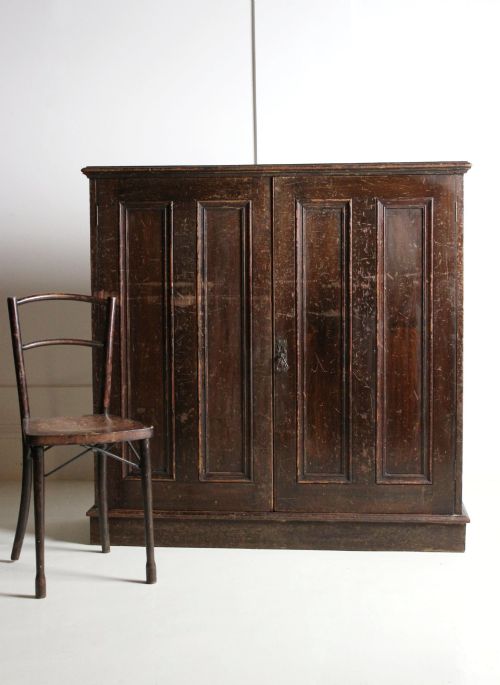
An antique wooden storage press offers substantial domestic capacity, bringing architectural presence and rich timber grain to an interior.
Antique Wooden Storage Press
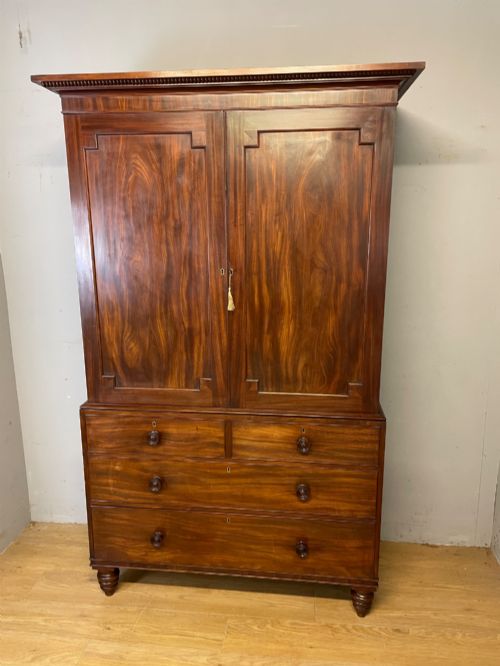
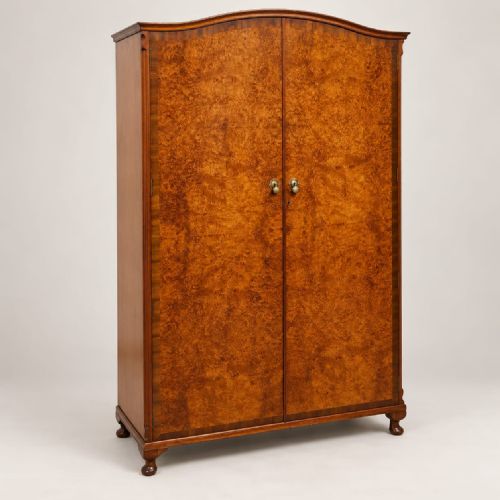
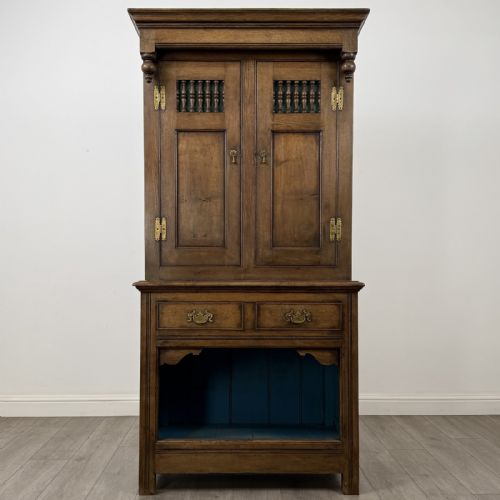
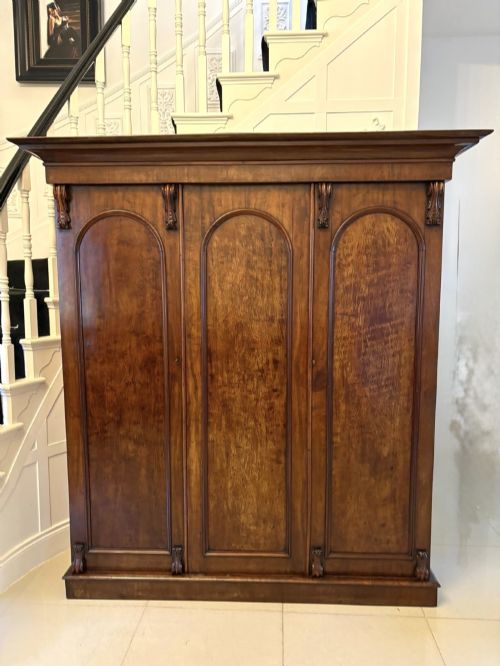
An antique wooden storage press unites utilitarian capacity with period craftsmanship, serving as a commanding architectural presence in a room. When searching for an antique wooden storage press, buyers encounter a diverse array of forms including linen presses, tallboys, housekeeper's cupboards, and wardrobes.
The pieces span multiple eras from the 17th century through to the early 20th century, drawing on Georgian, Victorian, and Edwardian design traditions. Regional pieces such as Welsh elm food cupboards and French provincial armoires sit alongside formal mahogany gentleman's wardrobes.
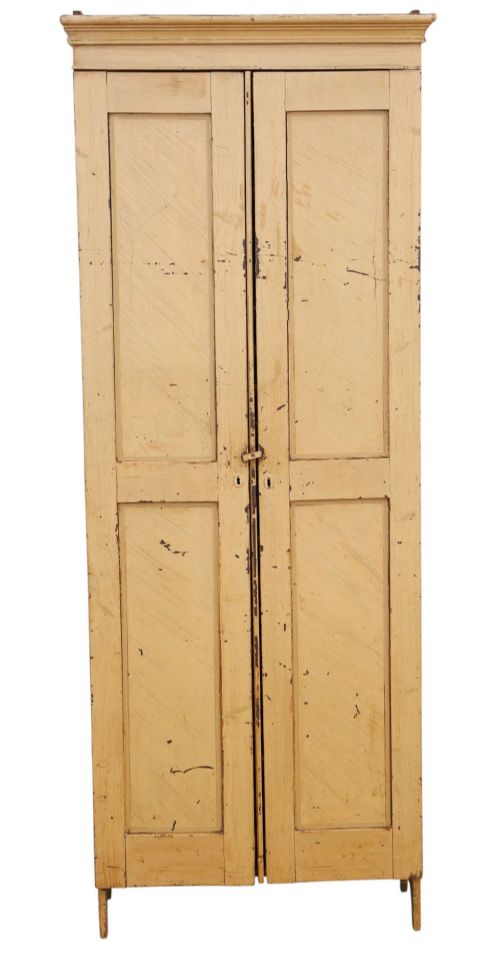
Pine and oak versions reflect country and farmhouse origins, often retaining original paint or wax finishes. More formal iterations utilise flame mahogany veneer, walnut, and burr walnut, showing sophisticated cabinet-making techniques.
How they were made
Cabinet-makers relied on native and imported timbers, selecting solid pine, oak, elm, and cherry for regional and utilitarian pieces, while turning to rich mahogany and walnut for formal designs. Flame mahogany veneer added dramatic figuring to grander wardrobe and press doors.
Hardware played an essential structural and decorative role, with brass handles, escutcheons, and hinges securing heavy doors and drawers. Iron fittings frequently reinforced large armoires and utility cupboards intended for heavy domestic storage.
Surfaces were finished with natural wax, French polish, or oil, though many practical country pieces received layers of paint. Marquetry inlay and ebonised details added refinement to late Georgian and Edwardian examples.
Listings feature timbers including mahogany, walnut, pine, oak, ash, elm, and cherry, spanning the 17th, 18th, 19th, and 20th centuries.
What varies in quality
Timber selection dictates the distinction between everyday utility pieces and high-status examples. Fine grain matching in flame mahogany veneer and the choice of solid burr walnut elevate a piece significantly above standard pine or plain oak carcases.
Structural integrity rests on the precision of joinery and the survival of original components such as interior linen slides, shelving, and hanging space. Alterations to internal configurations or the replacement of original brass hardware alter the integrity of the piece.
Surface preservation marks another divergence in quality. Retaining an original painted finish, untouched patination, or crisp marquetry inlay establishes a superior standard compared to heavily stripped or over-restored surfaces.
maples & co
The Antique Wooden Storage Press Glossary
- Linen Press
- A tall storage cabinet traditionally designed with sliding trays or shelves in the upper section for folded textiles, placed above a base of drawers.
- Tallboy
- A tall upright chest of drawers or a wardrobe stacked above a matching chest, designed to maximise vertical storage space.
- Flame Mahogany Veneer
- A thin slice of mahogany timber cut from the fork of the tree where the branch meets the trunk, creating a striking, flame-like grain pattern.
- Armoire
- A large wardrobe or cupboard, typically of continental European origin, featuring double doors enclosing hanging space or shelving.
- Marquetry
- Decorative inlay work where small pieces of contrasting wood veneer are fitted into a design to ornament the surface of a cabinet.
Antique Wooden Storage Press: Frequently Asked Questions
What is a press?
A press is a heavy wooden cabinet traditionally built to store household textiles, clothing, and linens under pressure to keep them flat.
Over centuries, the term evolved to encompass large wardrobes, housekeeper's cupboards, and linen storage units featuring internal sliding shelves.
How were linen presses used?
Linen presses were kept in bedrooms, landings, or utility rooms to store freshly laundered sheets, tablecloths, and garments before domestic wardrobes became common.
The upper sliding trays held folded textiles securely, while the deeper bottom drawers accommodated bulkier items.
How do I date an oak press?
Dating relies on examining construction methods, timber choice, and hardware styles. Early pieces from the 17th and 18th centuries feature pegged mortise and tenon joints and hand- planed boards.
Later Victorian and Edwardian examples incorporate machine-sawn timber, standardised fixings, and applied decorative mouldings.
Will a large press fit a modern room?
These storage pieces are substantial by design and require careful measurement of ceiling height and floor space before placement.
Many period presses, particularly large continental armoires and two-part housekeeper's cupboards, dismantle into sections for easier transport and installation.