




Antique Wooden Shrine
These antique wooden shrine pieces bring devotional art and domestic ritual into the home with carved timber, gold leaf, and mineral pigment.
Antique Wooden Shrine
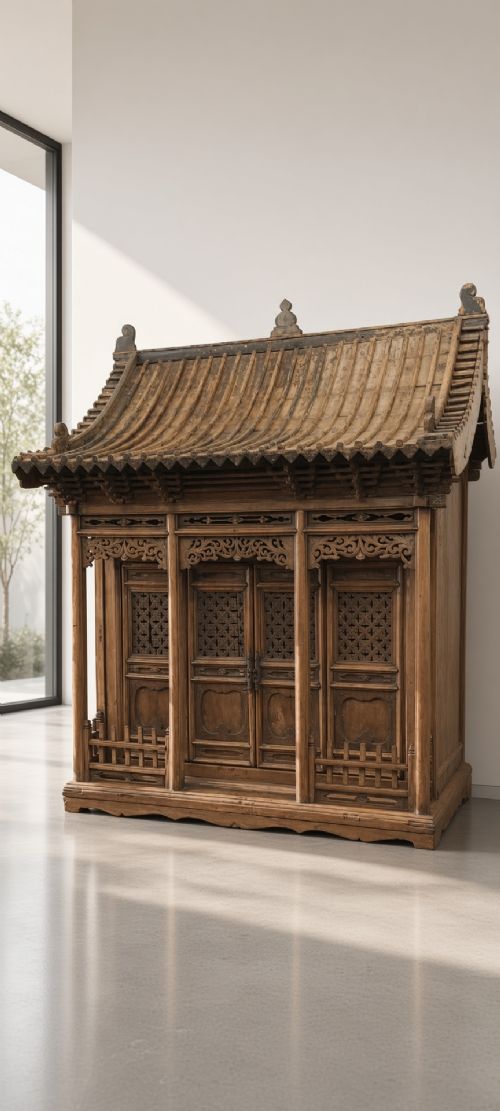
An antique wooden shrine takes many forms across different cultures, ranging from architectural tabernacles and home altars to carved cabinets and painted enclosures. These pieces served personal or communal devotion, housing sacred figures, relics, or mirrors within protective wooden structures.
Materials and construction
Makers shaped these devotional objects using carved wood, elm, pine, and general carved timber as the primary structural foundations. Artisans applied gesso and gold leaf to embellish architectural surfaces, creating rich metallic highlights.
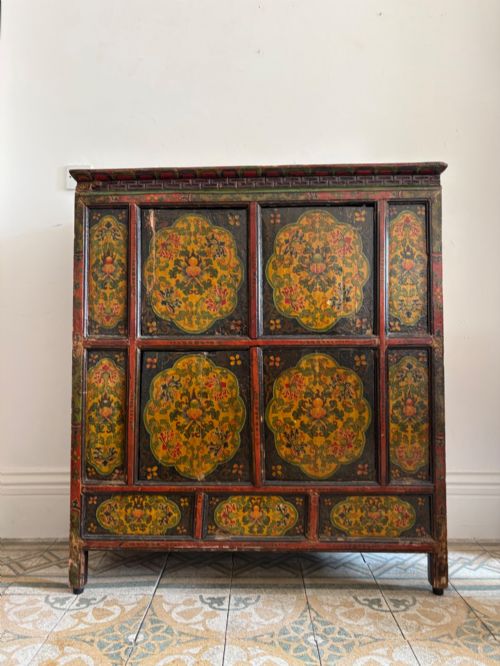
Finishes include applied mineral pigment and lacquer to add colour and detail to folk art sculptures, home altars, and cabinets. Joinery and carving techniques varied by region, supporting everything from Spanish polychromed surfaces to Tibetan floral decorations.
Current listings feature pieces spanning the seventeenth through the nineteenth centuries, incorporating elm, pine, and carved timber.
Distinctions in quality
The refinement of the carving work and the preservation of original polychrome, gold leaf, or mineral pigment surfaces define the upper tiers of these devotional objects. Pieces with intact, untouched architectural details and hand-painted motifs demonstrate superior craftsmanship.
Context and geographic origin also influence the distinction between standard folk pieces and exceptional workshop examples, such as structured Italian tabernacles or detailed Anglo-Indian cabinets.
The Antique Wooden Shrine Glossary
- Tabernacle
- A heavily ornamented, architectural enclosure used to house sacred items or relics on an altar. They often feature classical architectural elements like columns and pediments.
- Polychromed
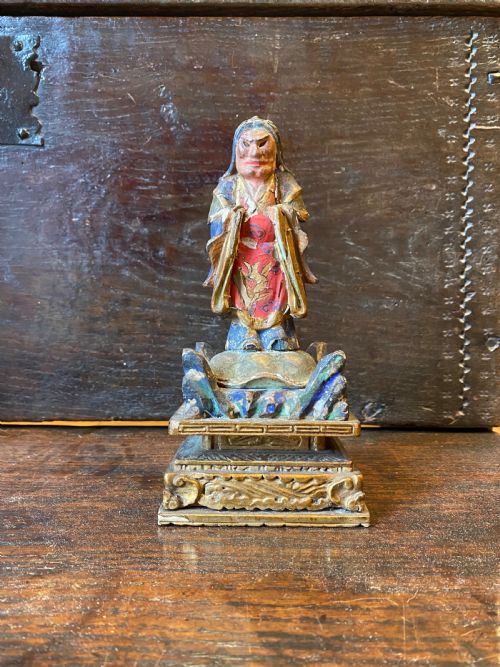
- Decorated in several colours, particularly applied to wood or gesso surfaces on statues and home altars. This technique brought devotional figures and reliefs to vivid life.
- Reliquary
- A container for holy relics, sometimes integrated into mirrors or small cabinets designed for private contemplation. These objects served both practical and spiritual functions in domestic spaces.
- Gesso
- A plaster-like mixture applied to wood as a base for paint or gold leaf application. It provided a smooth, uniform ground for intricate surface decoration.
Antique Wooden Shrine: Frequently Asked Questions
What is an antique wooden shrine?
An antique wooden shrine is a devotional enclosure or cabinet designed to hold sacred objects, figures, or relics in a home or temple setting. These pieces range from small folk art altars to architectural tabernacles.
They reflect the religious traditions and artistic styles of their specific region of origin, utilising materials like carved timber, gold leaf, and mineral pigment.
How were home altars used?
Home altars served as focal points for private prayer, meditation, and domestic ritual within households across different cultures. Families placed statues, deities, or reliquary mirrors inside them for daily veneration.
Doors or shutters on these shrines often allowed the sacred contents to be concealed when not in active use.
How do I date an antique shrine?
Dating relies on examining the construction methods, tool marks, wood species, and the style of the carving or painted decoration. Comparing the piece to documented regional styles, such as Italian Baroque or Qing Dynasty work, helps narrow down the period.
Surface treatments like gesso preparation and pigment composition also provide strong clues to the era of manufacture.
Where were these shrines made?
These devotional objects originated in workshops across Europe, Asia, and other regions, reflecting local religious practices and woodworking traditions. Surviving examples include pieces from Italy, Spain, Tibet, China, and Anglo-Indian communities.
Each region developed distinct architectural forms and decorative vocabularies for their sacred furniture.