


Antique Wooden Scroll
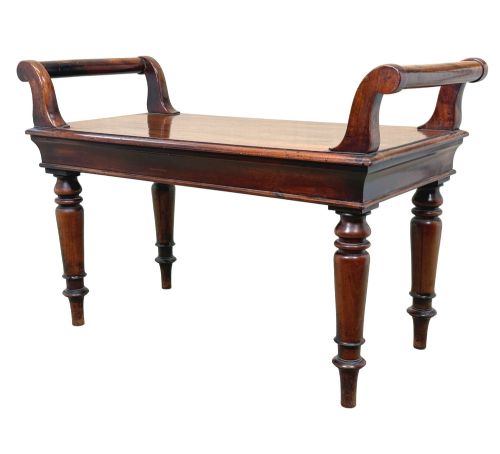
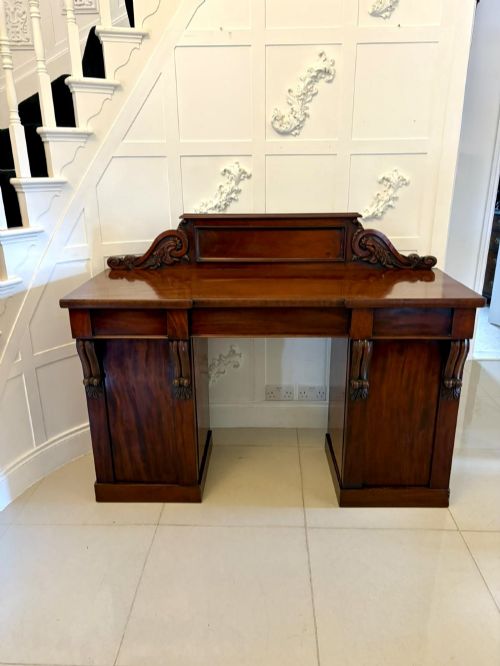
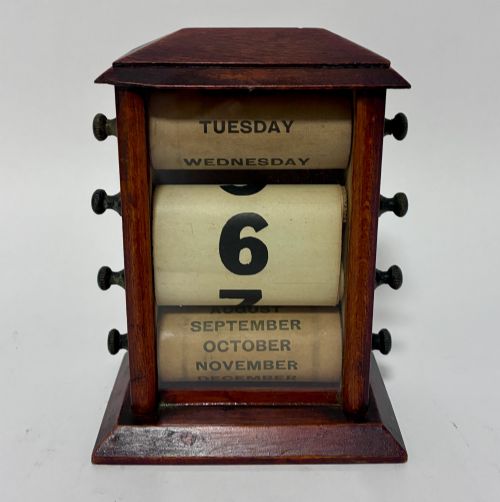
An antique wooden scroll brings sculptural movement to period rooms through carved mahogany and rosewood details.
Antique Wooden Scroll
An antique wooden scroll refers to carved architectural ornaments, arm terminals, and mirror frames shaped in sweeping, curved profiles. These pieces appear across seating, tables, and wall mirrors spanning the Georgian, Regency, and Victorian eras.
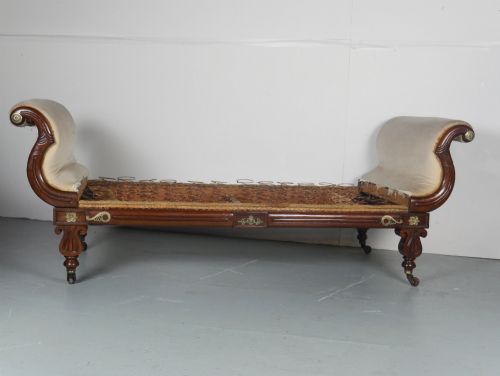
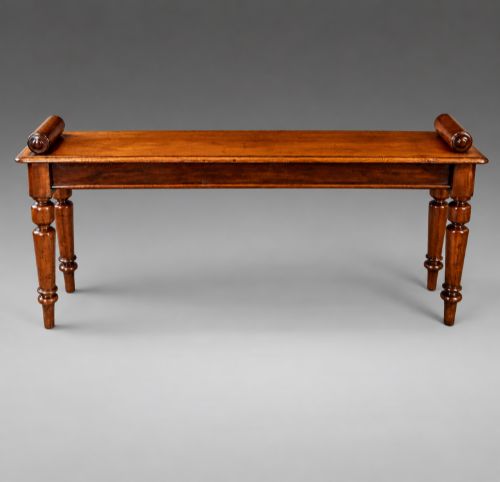
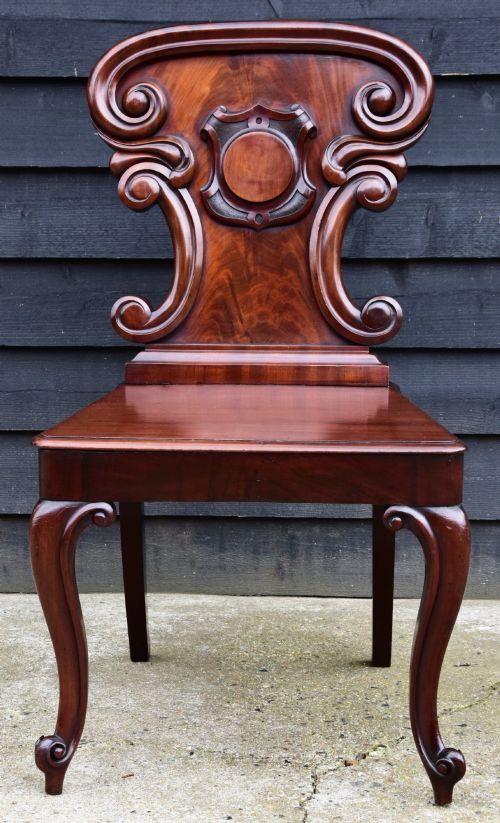
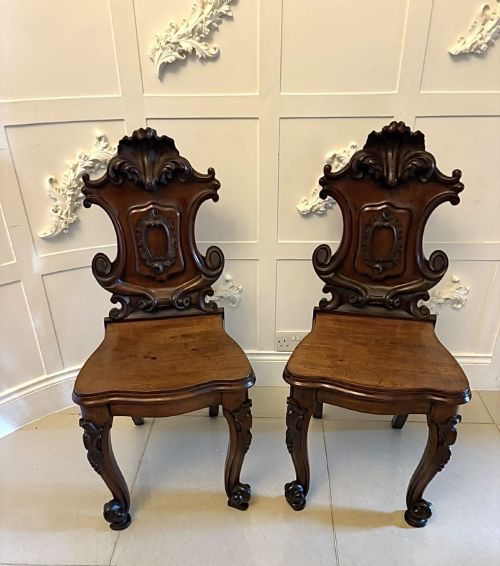
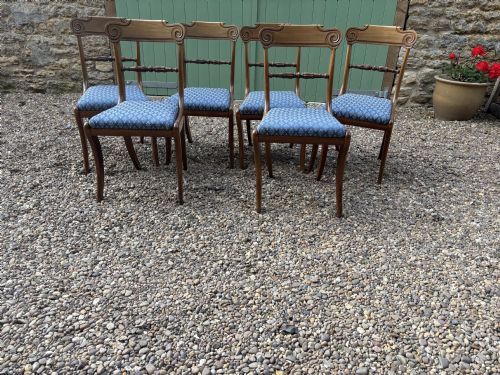
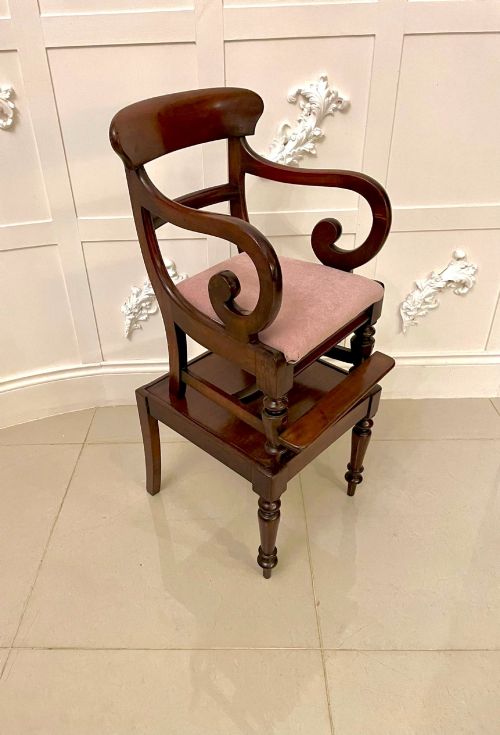
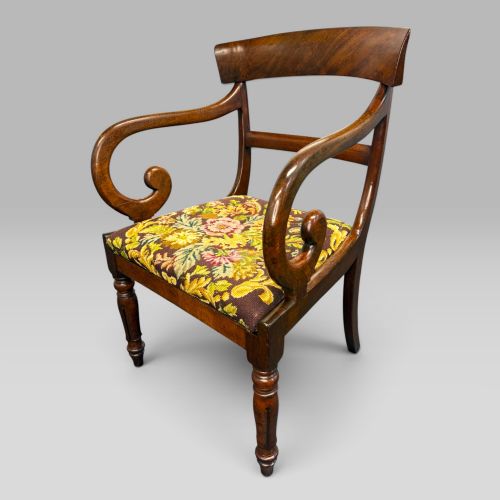
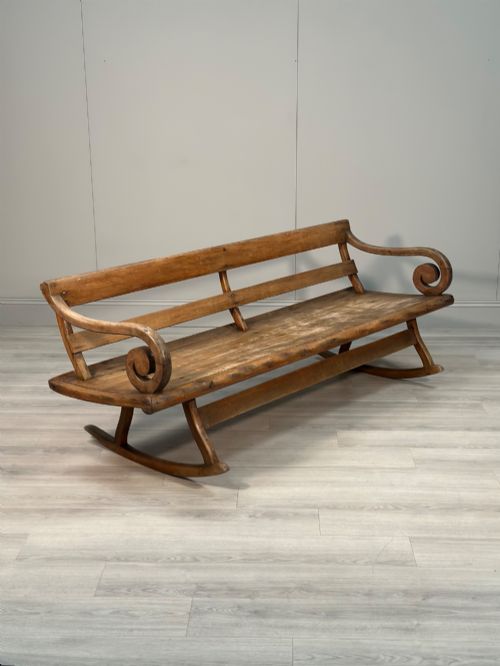
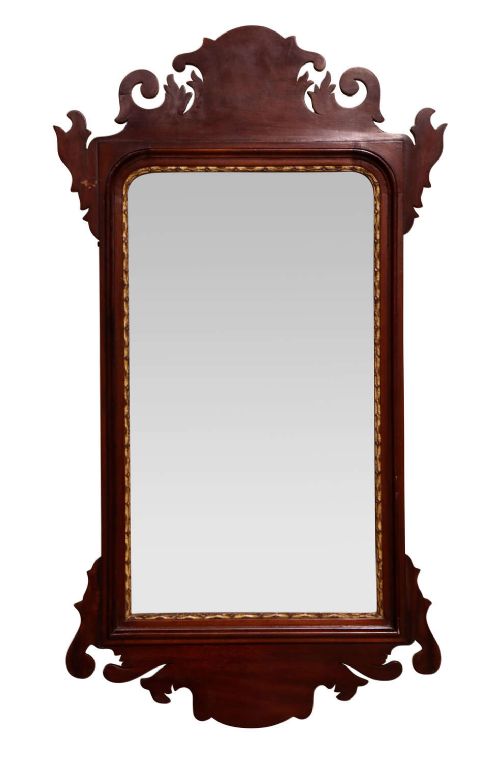
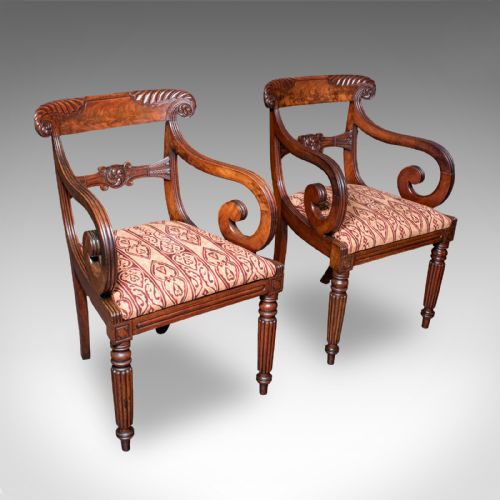
The most common examples on this page are seating pieces with scrolled arms, such as Victorian rosewood settees and William IV elbow chairs, alongside mahogany wall mirrors featuring fretwork and carved wooden scrolls.
Originating from British and European workshops, these objects integrate natural timber grains with rhythmic, fluid carving that defines traditional cabinet making.
Materials and construction methods
Makers utilised dense hardwoods such as mahogany, rosewood, oak, and sycamore, selecting them for their structural stability and capacity to hold crisp, intricate carving. Timber surfaces were often polished to highlight figured grains.
Carved scrolls were shaped by hand using gouges and chisels, requiring precise skill to create flowing three-dimensional curves without splitting the grain. Secondary materials like brass inlay, parcel-gilding, and fabric upholstery were added to complement the timber work.
Antique Wooden Scroll Retail Price Guide 2026
Typical asking prices for wooden scroll among the pieces listed under this phrase on Sellingantiques today, from the lower quarter to the upper quarter. They describe what is for sale here now, not the wider market.
Current listings feature mahogany, rosewood, oak, and sycamore across 18th, 19th, and early 20th-century periods.
Judgments of quality and execution
Quality rests in the depth and precision of the hand carving, where sharper, more fluid scrollwork distinguishes superior cabinet making from mechanical or shallow replication. The choice of timber also dictates grade, with highly figured mahogany and rich rosewood commanding greater visual presence.
Proportion and structural integrity govern the standing of each piece, ensuring that ornamental scrolls harmonise with the overall architectural form rather than appearing heavy or disjointed.
James Mein of Kelso
The Antique Wooden Scroll Glossary
- Scroll arm
- An armrest on a chair or settee shaped into a spiral or curved roll. This profile provides both ergonomic support and decorative movement.
- Fretwork
- Openwork ornamentation cut from thin wood panels, frequently seen on Georgian and Victorian mirror frames. It requires delicate jigsaw or piercing techniques.
- Parcel-gilt
- Partially covered with gold leaf to highlight specific carved details against a dark wood background. This technique accentuates architectural mouldings.
- Figured mahogany
- Timber exhibiting natural patterns such as flame, fiddleback, or curl within the grain. Cabinet makers selected these boards for principal visible surfaces.
- Rococo style
- An 18th-century design movement characterised by asymmetry, C-scrolls, and organic plant motifs. It heavily influenced later Victorian revival furniture.
Antique Wooden Scroll: Frequently Asked Questions
How do I date an antique scroll piece?
Dating relies on identifying the underlying timber species, construction joints, and stylistic revival markers typical of specific periods. Regency and William IV pieces often display bold mahogany scrolls, while Victorian examples frequently utilise rich rosewood.
Examining secondary woods, fixings, and overall proportions helps distinguish genuine 18th and 19th-century manufacture from later interpretations.
Where should I place a scroll mirror?
Scroll mirrors suit living rooms, hallways, and dining spaces where their carved wooden frames can function as focal points. Placing them above sideboards or mantels echoes traditional interior layouts.
Ensure the wall fixings safely support the weight of the timber frame and glass plate, keeping the mirror at a balanced height for daily viewing.
How do I maintain carved wood scrollwork?
Maintenance involves dusting carved crevices gently with a soft brush and applying appropriate beeswax periodically to nourish the timber. Avoid placing pieces near direct heat sources or strong sunlight to prevent wood shrinkage and fading.
Consistent indoor humidity protects both the structural joints and the delicate carved scroll details from splitting over time.