

Antique Wooden Salvage
These pieces of antique wooden salvage bring rescued architectural fragments, structural timbers and carved ornamentation directly into domestic interiors.
Antique Wooden Salvage
Antique wooden salvage comprises rescued fragments, architectural elements and decorative carvings taken from buildings, churches and industrial sites of earlier centuries. When searching for antique wooden salvage, buyers encounter elements designed for structural or decorative use in past eras, spanning from the sixteenth century through to the Edwardian period and the early twentieth century.
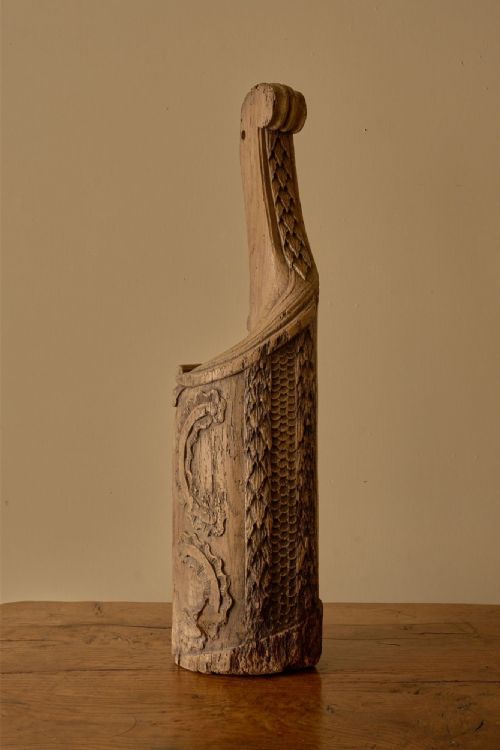
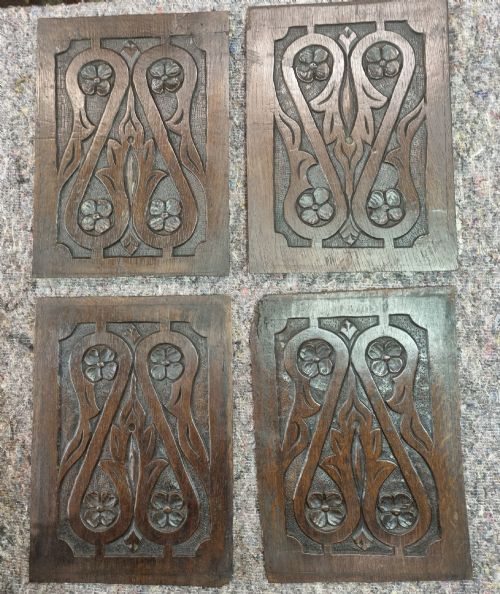
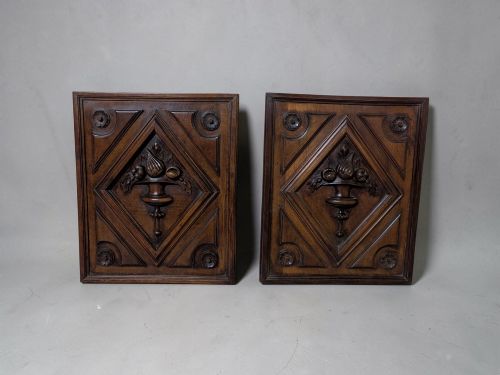
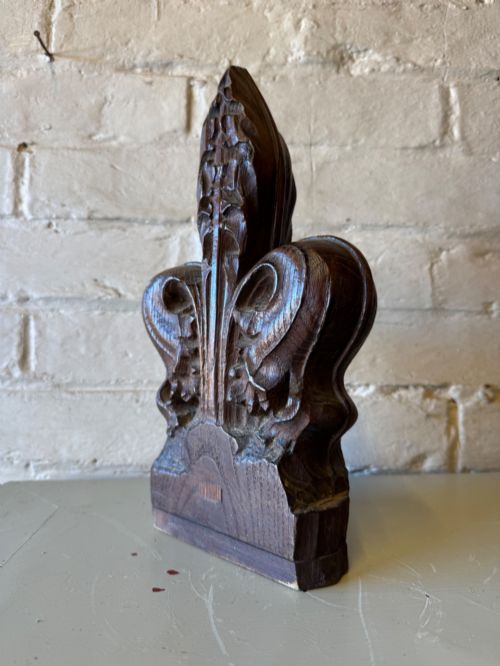
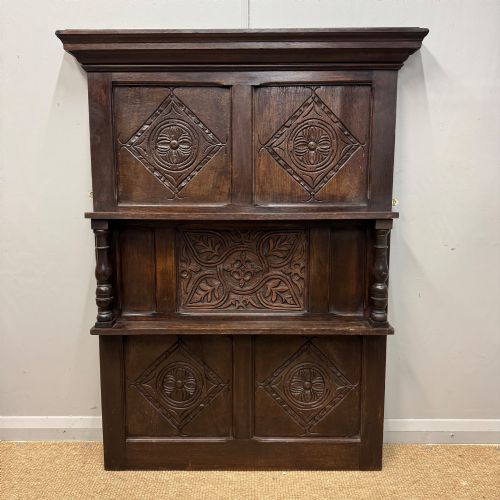
The items found within this category take many forms, including carved oak panels, overmantels, fire surrounds, architectural columns, pediments and ecclesiastical fragments like poppy head finials and church carvings. Oak is the predominant timber, appearing alongside walnut, mahogany, pine and hardwood across domestic, ecclesiastical and industrial origins.
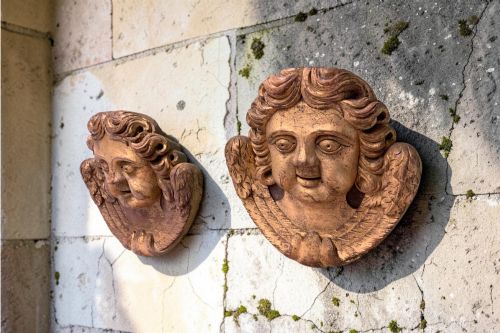
Pieces originating from French chateaux, English Tudor buildings, Gothic churches and industrial workshops provide tactile connections to historical craftsmanship. Buyers select these items to integrate authentic period detail, texture and architectural history into modern spaces.
Materials and construction
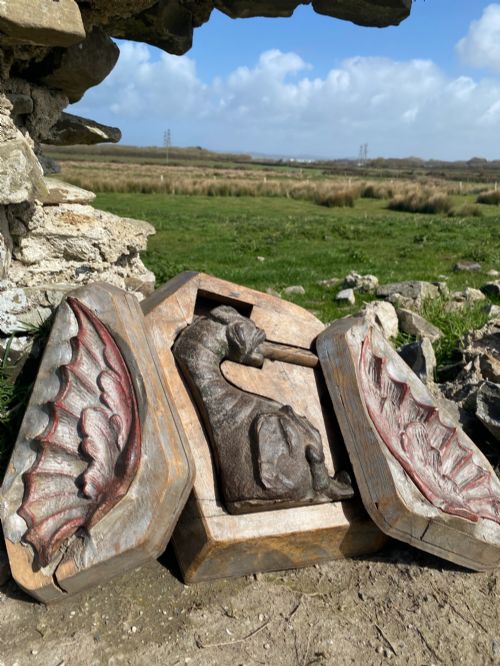
Makers shaped these items predominantly from solid timber such as oak, walnut, mahogany and pine, often utilising heavy structural woods selected for durability. Artisans employed hand tools to carve panels, mouldings, finials and capitals directly into the dense grain of the wood.
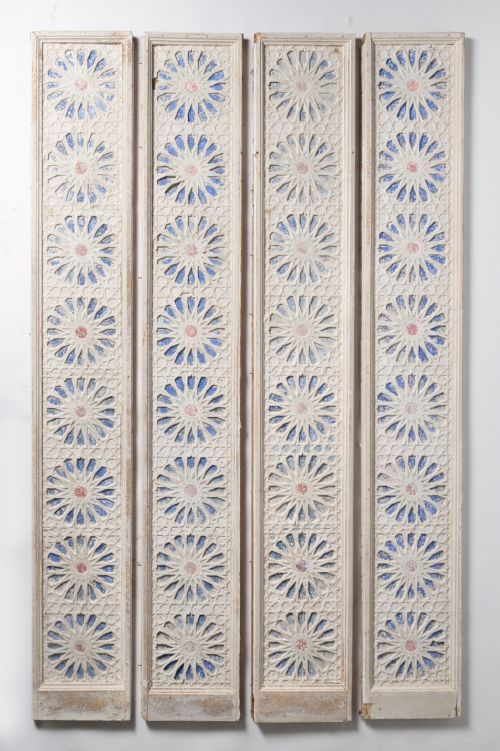
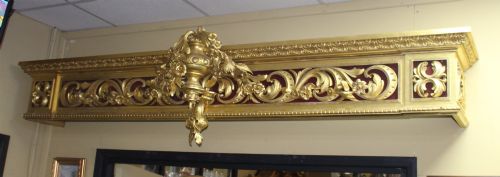
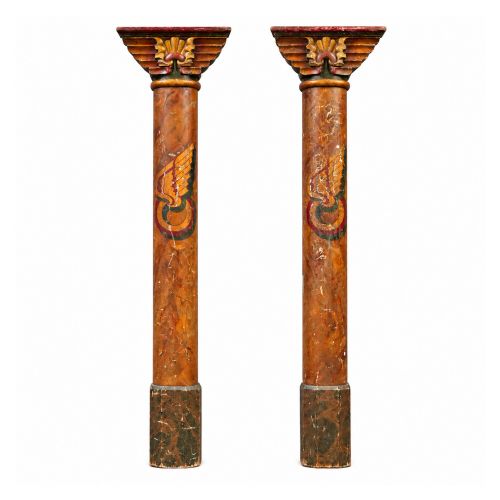
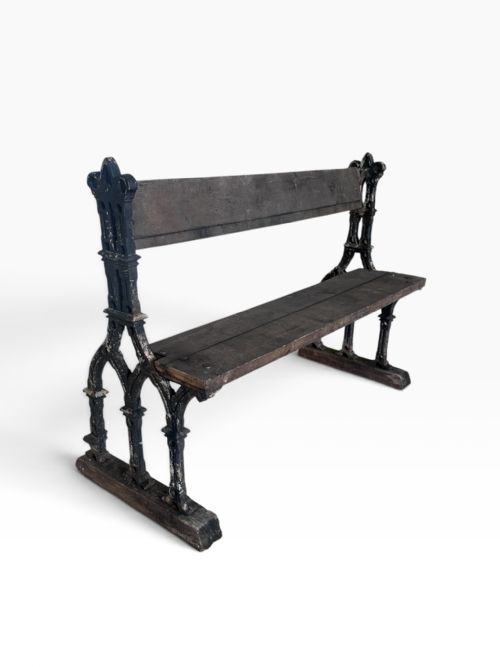
Surface treatments recorded on these pieces include applied gold leaf, gesso, polychrome paintwork and white paint over pine or hardwood bases. Iron fixings and cast iron components appear alongside timber elements in items like garden benches and architectural hardware.
Joinery techniques relied on traditional methods appropriate to the period, from early peg-jointed frames to later industrial fabrication. Carved details range from deep linenfold patterns and Gothic tracery to applied composition ornament.
Antique Wooden Salvage Retail Price Guide 2026
Typical asking prices for wooden salvage among the pieces listed under this phrase on Sellingantiques today, from the lower quarter to the upper quarter. They describe what is for sale here now, not the wider market.
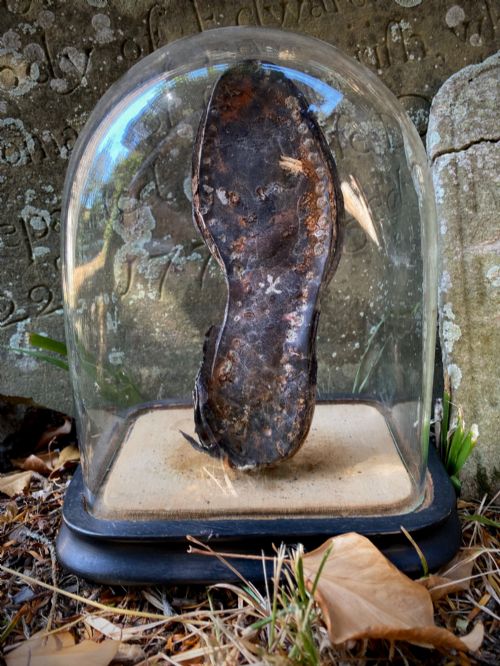
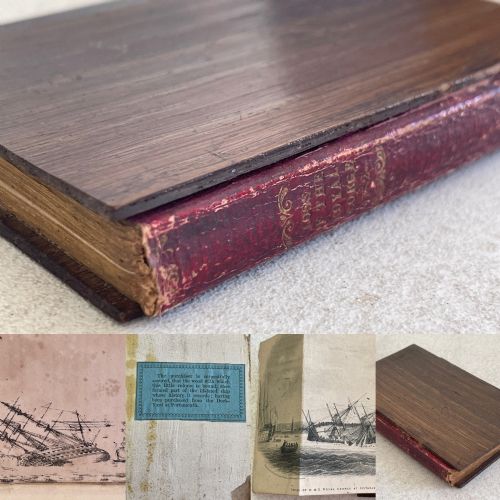
Among the rescued timbers sits wood salvaged directly from the sinking of the Royal George.
Judgements of quality
The distinction between ordinary salvaged timber and exceptional work lies in the crispness and depth of the hand carving. Pieces executed by skilled hands display confident depth in foliage, figures and tracery, whereas lesser examples show mechanical flatness or heavy wear.
Original surface finishes such as untouched historic patina, early paint layers, or intact gilt gesso elevate a piece above items that have undergone heavy stripping or modern refinishing. The integrity of the timber, including the absence of excessive structural compromise, determines the success of the salvage.
Provenance and origin also influence distinction, with pieces retaining clear ecclesiastical, stately or continental architectural context commanding greater interest than generic fragments of uncertain origin.
D.J. McLauchlan·Gerwin & Co Birmingham
The Antique Wooden Salvage Glossary
- Poppy head finial
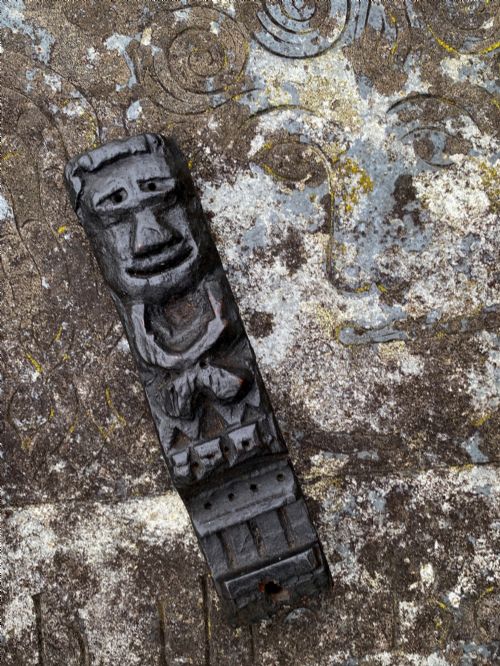
- An ornate carved ornament capping the top of a bench end or pew in a church. This architectural feature typically depicts stylised foliage or human heads.
- Linenfold panel
- A style of wood carving that imitates folded linen cloth, popular in Tudor and medieval joinery. This technique creates a textured surface across flat panels.
- Gesso
- A plaster-like mixture applied to wood as a base for paint or gold leaf gilding. This material allows intricate relief details to be formed before decoration.
- Overmantel
- A decorative panel, mirror frame or structure positioned directly above a fireplace mantelpiece. These pieces often incorporate carved oak or painted pine architectural elements.
- Tracery
- Openwork intersecting stone or wooden patterns found in Gothic windows and screens. In salvage, this refers to delicate pierced wooden carvings from ecclesiastical buildings.
Antique Wooden Salvage: Frequently Asked Questions
What is antique wooden salvage?
Antique wooden salvage consists of rescued structural and decorative elements removed from older buildings before demolition or alteration. These items preserve historical craftsmanship through carved panels, columns, doors and architectural fragments.
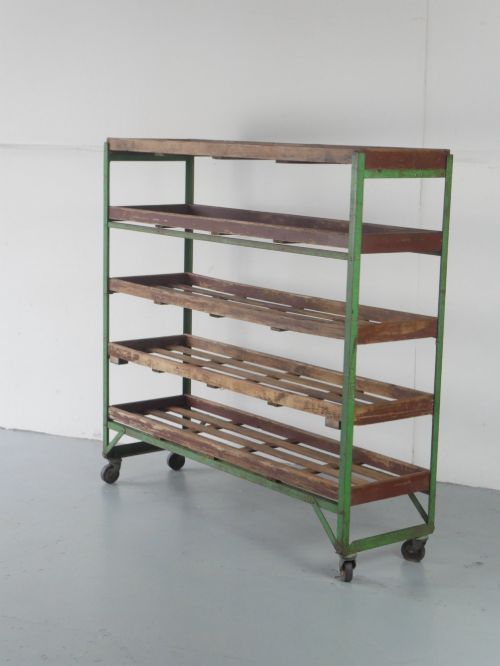
Items range from small ecclesiastical carvings to large fire surrounds and industrial trolleys, providing authentic period character for interior projects.
How were salvage items used originally?
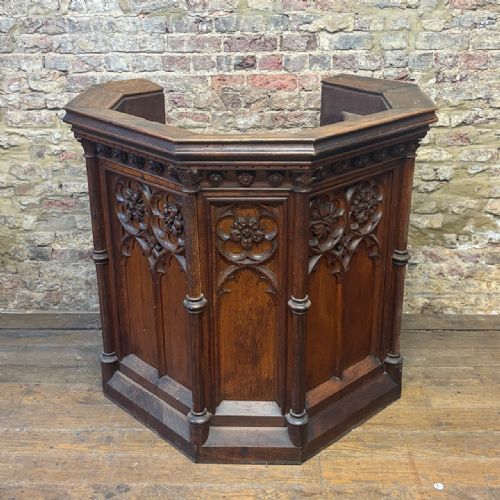
Many of these pieces served structural or ceremonial purposes within churches, stately homes, civic buildings and industrial sites. Items such as pulpits, newel posts, pediments and bench ends formed permanent parts of historic interiors.
Other objects functioned as practical workplace items, including jewellers' benches and factory shoe trolleys designed for heavy daily use.
How can I integrate salvage into a home?
Architectural panels and overmantels can be mounted directly onto walls as decorative wall art or integrated into new joinery schemes. Fire surrounds and architectural columns provide focal points within modern or traditional rooms.
Larger items like garden benches and industrial furniture function practically while introducing historic textures and patinated timber surfaces to living spaces.
How do I identify the period of a piece?
Dating relies on examining the timber species, joinery methods, tool marks and stylistic motifs present on the item. Seventeenth-century pieces often feature heavy hand-carved oak with pegged joints, while Victorian and Edwardian items display distinct Gothic Revival or classical revival characteristics.
Comparative analysis with dated architectural elements and recorded styles helps establish the likely era of origin.