




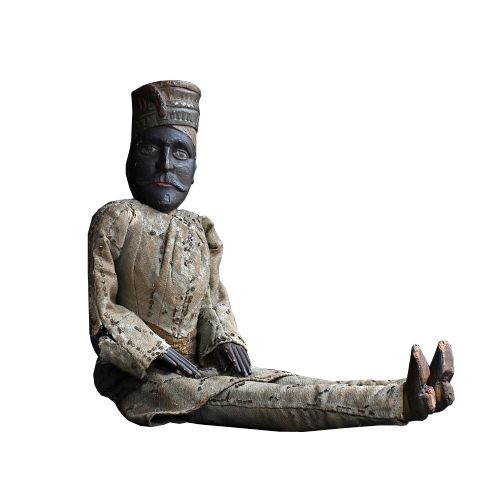


Antique Wooden Puppet
These antique wooden puppet pieces combine expressive character with tactile folk art charm, making them sought-after focal points for collectors of historic theatrical items.
Antique Wooden Puppet
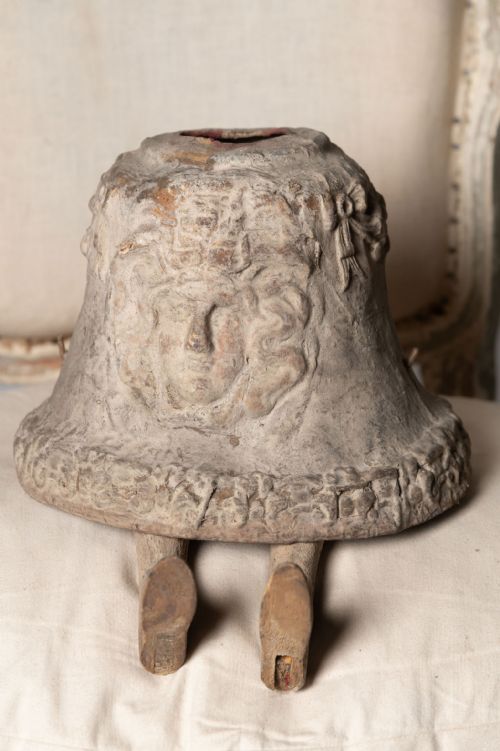
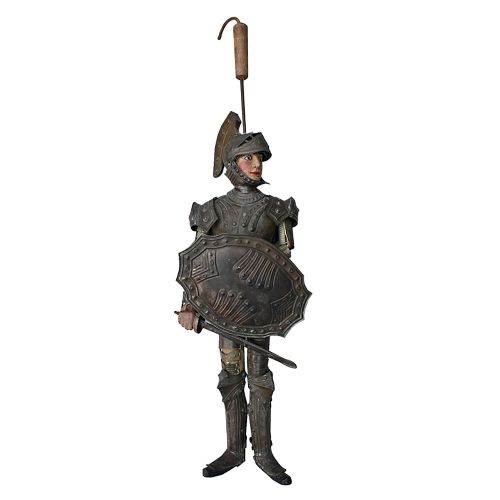
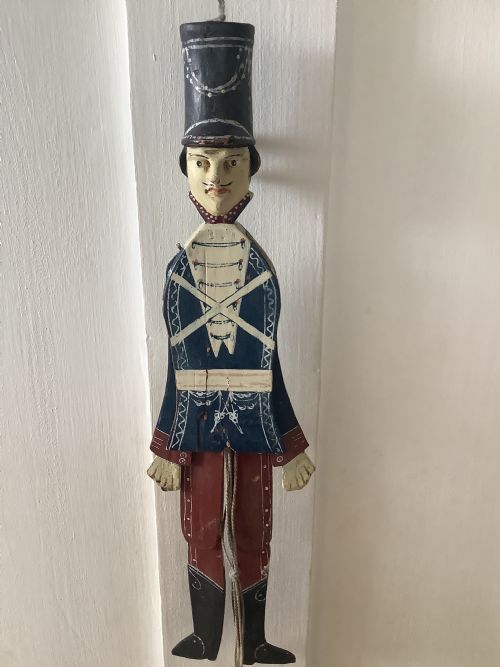
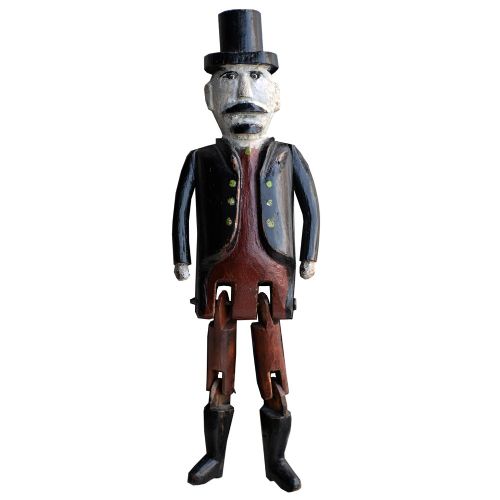
An antique wooden puppet takes several distinct forms, ranging from Italian theatrical marionettes to English jigger dolls and folk art figures. The most frequent encounters on this page include nineteenth-century Sicilian marionettes, early twentieth-century jigger dolls, and carved puppet heads.
The selection encompasses objects from diverse origins such as Italy, the Middle East, England, and America. These pieces vary from functional theatrical props and double-sided marionettes to decorative figures and toy theatre elements.
Materials and construction methods
Makers utilised carved wood as the primary structural material, often enhancing the surface with gesso, plaster, and papier-mache layers. Polychrome paint finishes brought the facial expressions and theatrical costumes to life.
Metal components frequently provided the necessary joints and articulation for marionettes and theatrical props. Hand-crafting techniques defined the production, resulting in individual folk art figures with distinct carved details.
Antique Wooden Puppet Retail Price Guide 2026
Typical asking prices for wooden puppet among the pieces listed under this phrase on Sellingantiques today, from the lower quarter to the upper quarter. They describe what is for sale here now, not the wider market.
Listings span the nineteenth century, the Victorian period, and the 1900s to 1920s, featuring wood, gesso, metal, and polychrome paint.
Understanding quality differences
The degree of hand-carved detail and the preservation of original polychrome paint surfaces separate finer pieces from simpler items. Superior examples display expressive facial character and intricate construction in the joints and control elements.
Artisanal execution distinguishes regional folk art traditions, where skilled shaping of the wood creates a convincing presence. The integrity of the combined materials, such as gesso over carved wood, influences the overall character of the surviving figure.
The Antique Wooden Puppet Glossary
- Jigger doll
- A percussion toy figure designed to dance on a thin wooden board or paddle when tapped by hand. English and American examples from the early twentieth century are typical.
- Polychrome
- Decorated in multiple colours. This paint technique defines the surface appearance of historic puppet heads and theatrical figures.
- Gesso
- A plaster-like mixture applied to wood surfaces to create a smooth base for painting. It was commonly used in traditional puppet construction.
- Folk art
- Utilitarian or decorative objects created by self-taught or traditional artisans. These pieces reflect regional cultural styles rather than academic fine art canons.
Antique Wooden Puppet: Frequently Asked Questions
What is a jigger doll?
A jigger doll is a mechanical or simple dancing toy designed to bounce on a board. Operators tap the board to make the wooden figure move.
These pieces date largely to the early twentieth century in England and America. They served as popular entertainment before the rise of mass-market toys.
How were marionettes used?
Marionettes performed in touring theatres, village squares, and formal stages. Operators manipulated strings attached to limbs to enact plays and stories.
Italian and Sicilian traditions produced particularly large and elaborate theatrical figures. These props often show the wear of actual stage performance.
How do I date an old puppet?
Dating relies on stylistic clues, construction methods, and materials such as gesso and early paint types. Regional folk art characteristics also help place an object in the nineteenth or early twentieth century.
Documentation or provenance from theatrical collections can further clarify the age. Comparing joint mechanisms provides additional chronological insight.
Are puppet heads found alone?
Carved puppet heads do appear independently from their bodies. These remnants often survive because of their strong sculptural and decorative qualities.
They reflect the same regional folk art traditions and polychrome painting techniques as complete marionettes. Collectors frequently display them as standalone sculptures.