


Antique Wooden Office Clock
An antique wooden office clock is a practical timepiece built for municipal and commercial spaces, offering robust construction and clear dials for everyday utility.
Antique Wooden Office Clock
An antique wooden office clock represents the durable timepieces used in public buildings, railway stations, and postal offices across the nineteenth and twentieth centuries. These pieces encompass utilitarian wall clocks and dial timepieces designed primarily for legibility and reliable daily service.
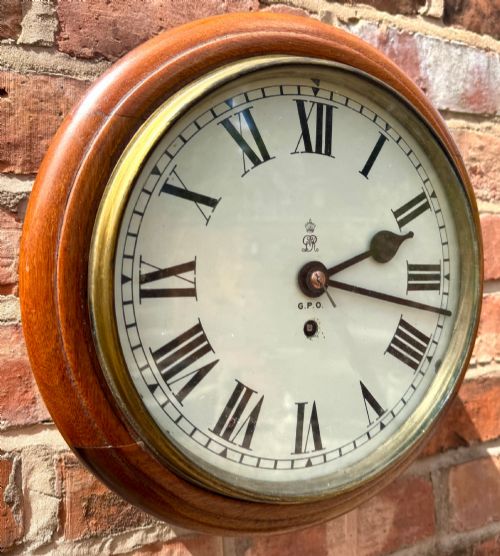
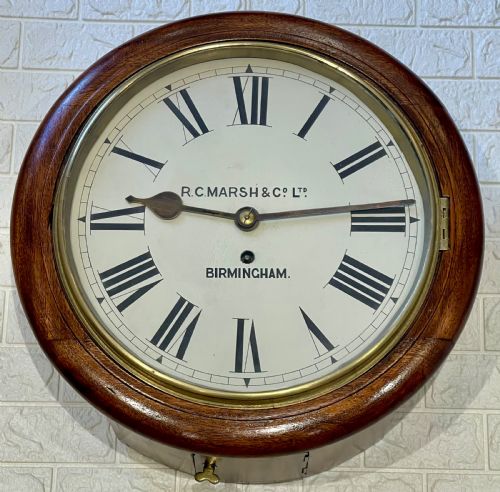
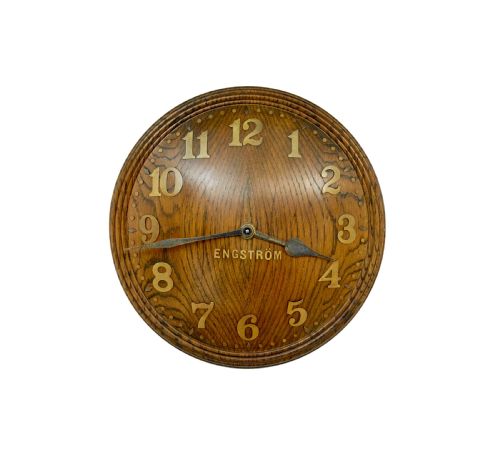
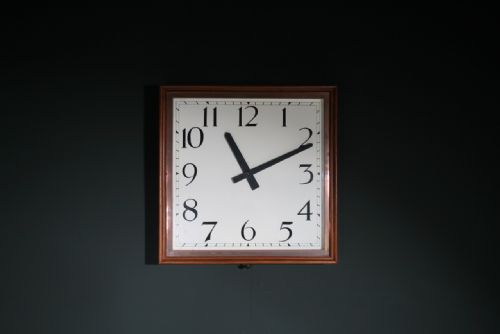
Buyers will most frequently encounter wall clocks shaped from mahogany and oak, often featuring round faces protected by glass and brass bezels. The selection spans distinct eras from Victorian models to Art Deco and mid-century British utilitarian designs.
Origins range from railway and post office regulators to institutional school clocks, each built to withstand heavy daily use in public service. The variety includes drop-dial formats and octagonal cases intended for high-visibility mounting on office walls.
Materials and construction
The construction relies heavily on sturdy timbers such as mahogany, oak, and walnut to house the delicate mechanical movements securely. Cases are shaped with durable surrounds designed to protect the internal components from dust and environmental wear in busy working spaces.
Brass and copper feature prominently in bezels, lock fixtures, and interior gear assemblies, while thick glass protects the paper or painted dial faces. Chain fusee movements appear frequently, translating the pull of a weight or mainspring into even tension for accurate timekeeping.
Listings feature woods spanning mahogany, oak, and walnut, paired with brass and copper hardware across multiple Victorian and mid-twentieth-century periods.
Variations in quality
Quality differences emerge in the precision of the timber joinery and the complexity of the movement, such as the inclusion of a fusee mechanism rather than a standard spring drive. Superior examples display carefully selected grain patterns in the mahogany or oak cases alongside crisp, legible dial typography.
The sophistication of the internal movement and the reputation of the original commissioning institution or maker heavily influence the standing of an individual piece. Better specimens maintain original components and retain clear stamps or markings on the case and dial.
Engström by Zenith·John Walker·J C Ralls
The Antique Wooden Office Clock Glossary
- Fusee
- A conical pulley used in clock movements to equalize the declining power of the mainspring as it unwinds. This mechanism helps ensure consistent timekeeping accuracy throughout the power reserve.
- Dial
- The visible face of the clock where the numbers and markers are displayed. It is commonly protected by a hinged glass door within a brass or wooden bezel.
- Drop-dial
- A clock case featuring an extended lower portion beneath the main dial, often used to house a pendulum and weights in a compact wall-mounted format.
- Bezel
- The ring of brass, copper, or wood that holds the protective glass pane in place over the clock face. It often swings open on a hinge to allow hand adjustments.
- Timepiece
- A clock mechanism that indicates the time but does not include a striking train to sound the hours. These were favoured in offices where chiming would prove a distraction.
Antique Wooden Office Clock: Frequently Asked Questions
How do I wind a fusee wall clock?
Most fusee movements require a specific winding key inserted into the dial face to tension the mainspring via the chain system. Care must be taken not to overwind the mechanism when the spring reaches full tension.
Regular servicing by a professional horologist ensures the chain and fusee cone operate smoothly without placing undue stress on the brass teeth.
Where should I hang a heavy wooden office clock?
These clocks require a secure fixing directly into wall studs or masonry to support the substantial weight of hardwood cases and mechanical movements. Hanging them at eye level ensures the dial remains easily readable across a room.
Placement should avoid areas subject to excessive vibration from heavy doors or direct temperature fluctuations near radiators that might affect the wood.
How do I identify a post office clock?
Post office and railway clocks often bear institutional markings or stampings on the wooden case, dial face, or interior movement plates. Names such as G.P.O. or specific regional council titles frequently appear on the painted dials.
These models prioritize functional legibility with bold numerals and robust mahogany or oak frames designed for institutional environments.
Why does my clock lose time?
Mechanical clocks are sensitive to changes in temperature and humidity, which can cause the wooden case and metal components to expand or contract. Pendulum regulation may need seasonal adjustment via the small nut beneath the bob.
If the timekeeping remains erratic after regulation, old oils within the gear train likely require professional cleaning and re-lubrication.