


Antique Wooden Marine Art
Antique wooden marine art brings the history of sail and steam into the room through carved timber, canvas and framed oils.
Antique Wooden Marine Art
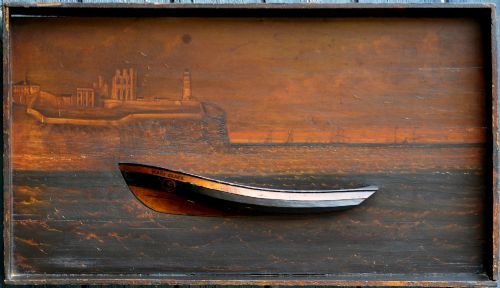
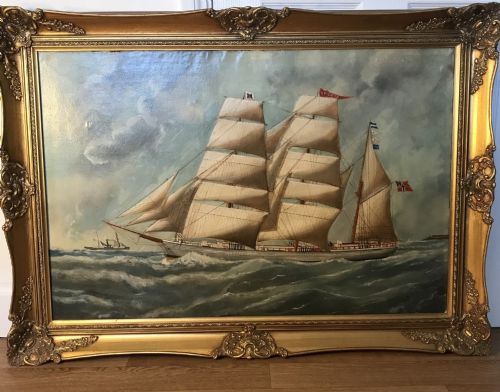
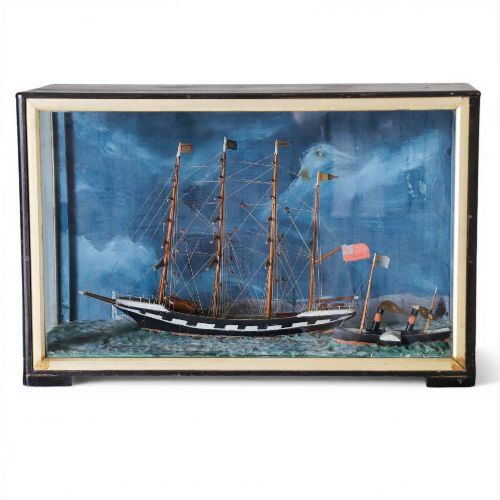
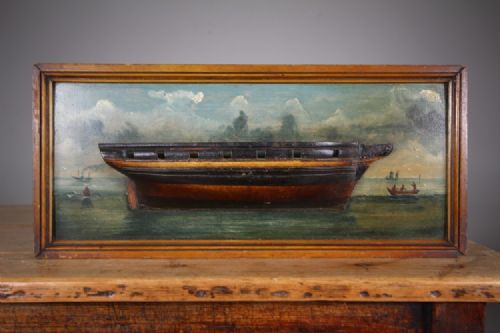
When you search for antique wooden marine art, you encounter a specialised mix of objects that celebrate seafaring life through the medium of timber and paint. The selection on this page centres heavily on nineteenth century items, taking in Victorian dioramas, oil paintings on canvas and wooden models.
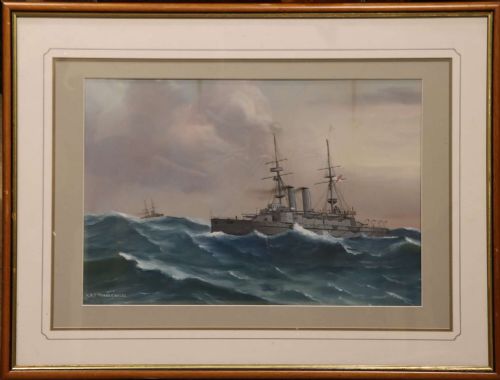
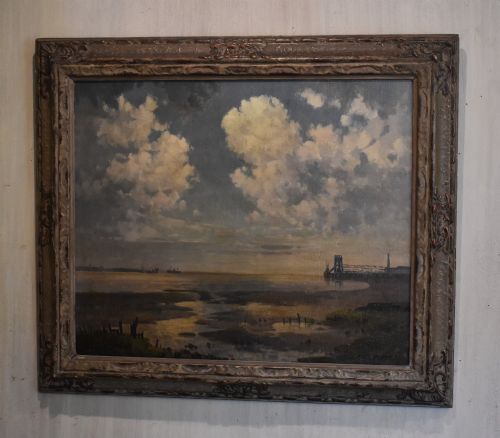
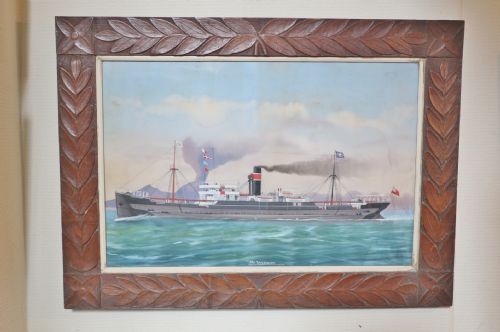
You will regularly meet framed oil paintings depicting barques, schooners and steamers alongside shadow boxes and carved wooden figures. These pieces originate primarily from the nineteenth century and the early decades of the twentieth century, reflecting a rich maritime heritage.
Materials and construction
The makers of these maritime pieces relied fundamentally on wood, often utilising teak for heavy structural items like ship's wheels alongside lighter timbers for carved dioramas and pond yachts. Canvases and wooden panels served as the foundation for oil paintings, complemented by oil paint, gouache, watercolours and paper.
Craftsmen built layered dioramas using sculpted wood and painted backdrops encased behind glass, while painters applied oil and watercolour to capture coastal scenes and sailing ships at sea.
A solitary carved flying fish brings an ocean breeze straight into the study.
Judging quality in marine pieces
Quality in these maritime works rests upon the fidelity of the subject matter, the handling of the medium and the preservation of the wooden elements. Finer paintings show a confident command of light and maritime rigging, while superior dioramas present intricate model work with depth and original glass housing.
The distinction between ordinary and exceptional lies in the sharpness of detail within carved wooden hulls, the depth of historical context and the skill of the brushwork across seascapes and portraits of specific vessels.
Guido Cacciapuoti·Liverpool Ship Building Co.
The Antique Wooden Marine Art Glossary
- Diorama
- A three-dimensional scene enclosed in a box with a glazed front, commonly featuring model sailing ships set against painted coastal backdrops. These pieces use layered wood and paper elements to create an illusion of depth.
- Barque
- A sailing vessel with three or more masts having the fore- and mainmasts square-rigged and the mizzenmast fore-and-aft rigged. This rig appears frequently in nineteenth century maritime paintings and models.
- Gouache
- An opaque water-based pigment used by marine artists to achieve flat areas of bright colour and sharp detail. It frequently appears on paper in early twentieth century ship portraits.
- Shadow Box
- A shallow wooden display case with a glass front used to house marine models and dioramas. They protect delicate miniature rigging and wooden hulls from dust.
Antique Wooden Marine Art: Frequently Asked Questions
How do I date an oil painting?
Dating an oil painting involves looking at the style of the vessel depicted, the canvas preparation, and the framing materials used. Nineteenth century works often feature specific riggings and historical ships identified by contemporary inscriptions.
Examining the stretcher frames and any signatures or dealer labels on the reverse provides further clues to the period of creation.
Where were wooden marine carvings made?
Wooden marine carvings and models originated in coastal ports, aboard ships during long voyages, and in specialised workshops across Britain and Europe. Pitcairn Island and various maritime communities also produced notable carved items.
Items like carved flying fish and ship's wheels reflect the direct involvement of seafarers and island communities with maritime trade.
How do I care for wooden marine art?
Caring for these pieces requires keeping them away from direct sunlight and maintaining a stable indoor humidity to protect the wood and canvas. Gentle dusting of frames and glass fronts preserves the surface without risking delicate model rigging.
Avoid using liquid cleaners on old painted surfaces or exposed wooden elements to prevent permanent damage to the finish.