



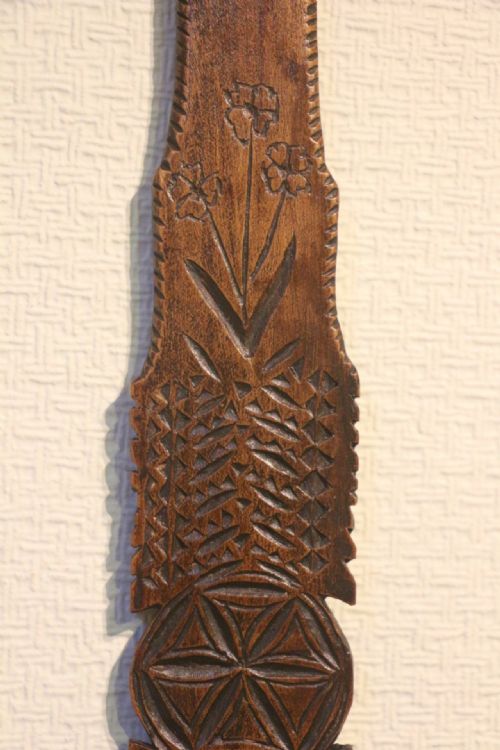


Antique Wooden Love Token
An antique wooden love token is a hand-carved domestic object given as a token of affection, and collectors prize them for their intimate folk art detail.
Antique Wooden Love Token
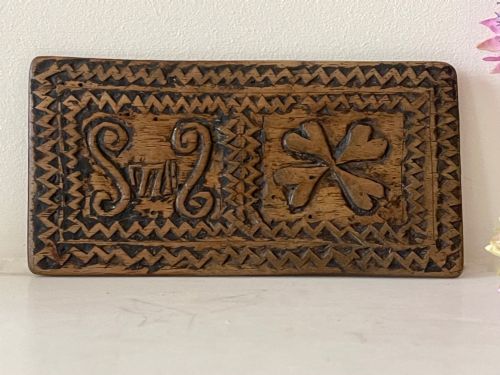
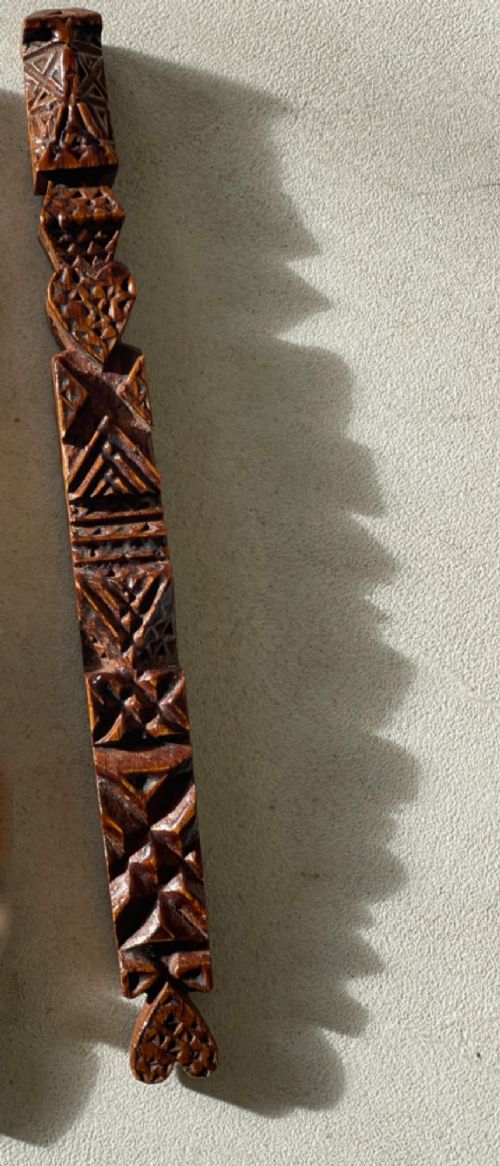
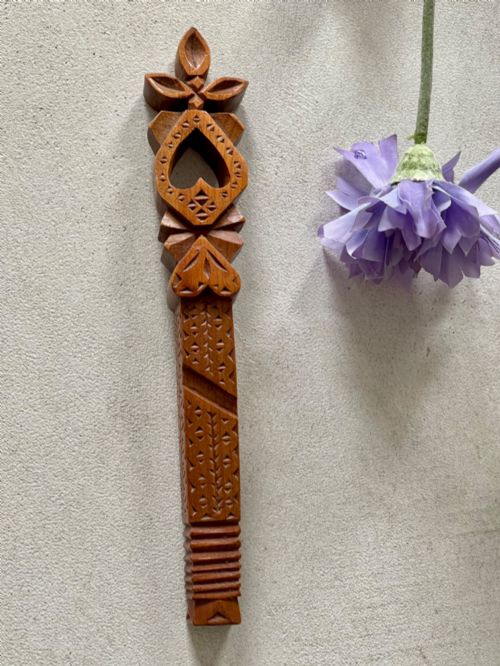
When you search for an antique wooden love token, you encounter personal domestic items such as treen knitting sheaths, chip carved book snuff boxes, biscuit cutters, and lovespoons. These pieces originate from various domestic settings, carrying personal significance through carved initials, dates, and heart motifs.
The versions most likely to appear here belong to the nineteenth century and the Georgian period, alongside earlier examples from the seventeenth century. They take utilitarian forms shaped by traditional hands, turning everyday domestic implements into expressions of personal sentiment.
How these pieces were made
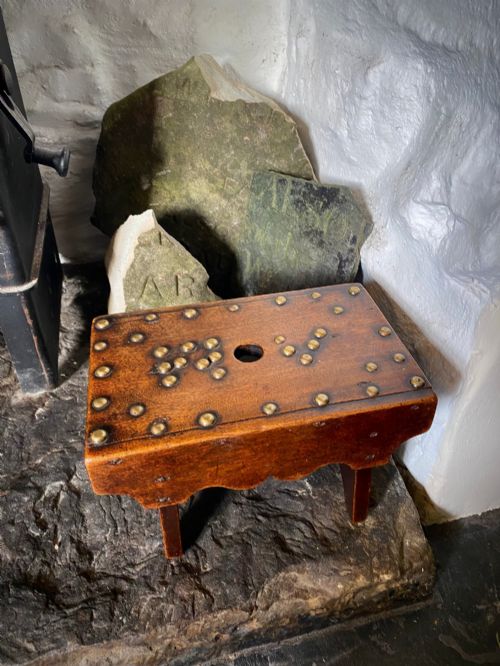
Maker-carvers shaped these items from native hardwoods such as oak, mahogany, and fruitwood using hand tools. They utilised techniques like chip carving to work surface patterns, incorporating fruitwood inlay and brass studs for added contrast.
Domestic timber was selected for its grain and workability, allowing carvers to produce intricate hearts and geometric designs upon functional domestic objects. The construction relies entirely on traditional woodworking methods appropriate to treen and regional folk art.
Antique Wooden Love Token Retail Price Guide 2026
Typical asking prices for wooden love token among the pieces listed under this phrase on Sellingantiques today, from the lower quarter to the upper quarter. They describe what is for sale here now, not the wider market.
Someone once carved an entire book-shaped snuff box out of wood just to hide a secret heart inlay inside.
What varies in quality
Quality in these pieces rests upon the crispness of the hand carving and the clarity of any inscribed initials, names, or dates. Sharp, deep chip carving distinguishes superior examples from simpler, worn pieces.
The desirability also depends on the specific form and the prominence of love symbols like heart shapes. Pieces that integrate utilitarian purpose with detailed decorative carving command greater interest among collectors.
Teasdale
The Antique Wooden Love Token Glossary
- Treen
- Small handmade wooden objects for domestic use. These items formed an essential part of daily life before mass production.
- Knitting sheath
- A device tucked into a belt or waistband to hold a single knitting needle steady. They frequently double as carved presentation pieces.
- Chip carving
- A technique where small chips are removed from the surface of wood with a knife to create geometric patterns. This method decorates many traditional treen objects.
- Lovespoon
- A wooden spoon carved as a decorative gift of romance. Makers often incorporated intricate links, hearts, and panels into a single piece of timber.
- Mangle board
- A flat board used with a roller to smooth linen. Seventeenth-century examples often featured elaborate relief carving and significant dates.
Antique Wooden Love Token: Frequently Asked Questions
What is an antique wooden love token?
An antique wooden love token is a domestic object, such as a knitting sheath, box, or spoon, carved by hand to express affection.
These pieces often feature initials, dates, and symbols like hearts, reflecting personal histories from the seventeenth through the nineteenth centuries.
How were love tokens used?
Many love tokens served practical purposes in the home and workplace while carrying sentimental value.
Objects like knitting sheaths and biscuit cutters were used daily, whilst others like lovespoons and decorated boxes served primarily as ornamental gifts.
How do I identify the period?
Dating relies on stylistic clues, tool marks, and occasional direct inscriptions or carved dates found on the wood.
Seventeenth-century pieces typically show heavier oak construction and deep chip carving, whereas nineteenth-century examples display finer treen work and varied hardwoods.
How should I care for wooden love tokens?
These items require stable indoor humidity away from direct sunlight and sudden temperature changes to protect the timber.
Applying a light application of suitable wax helps maintain the surface condition of historic hardwood without altering the patina.