

Antique Wooden Lions
These antique wooden lions range from fierce newel post finials to substantial sculptures and decorative figures carved across the seventeenth to twentieth centuries.
Antique Wooden Lions
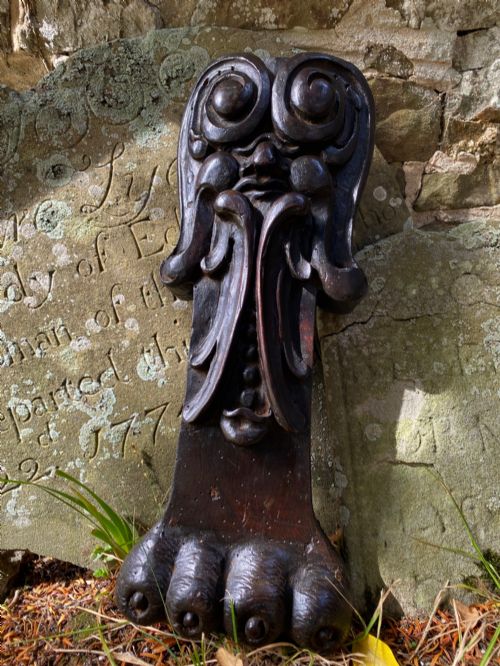
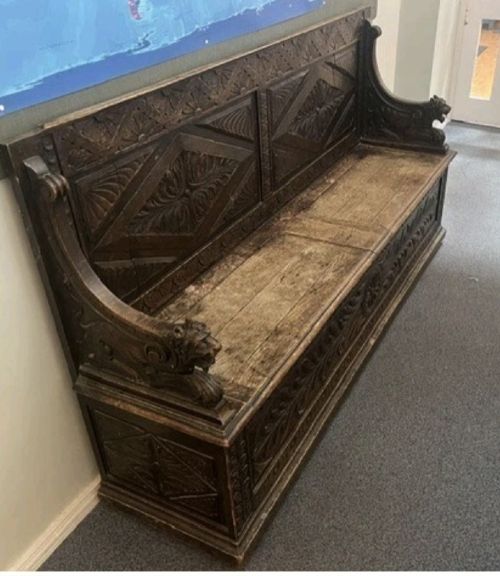
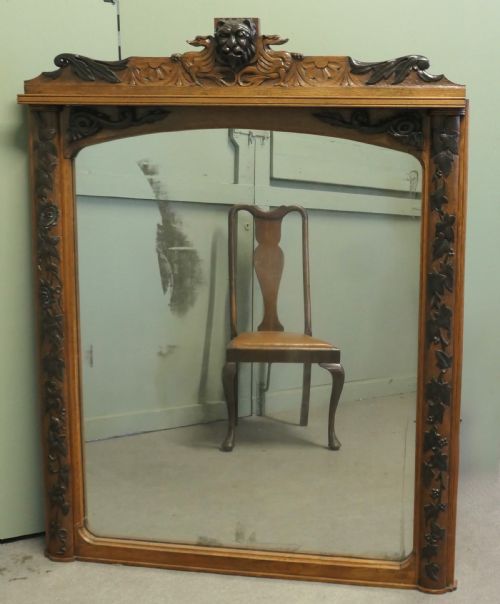
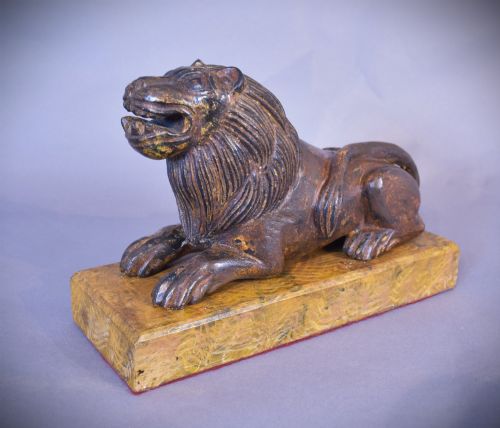
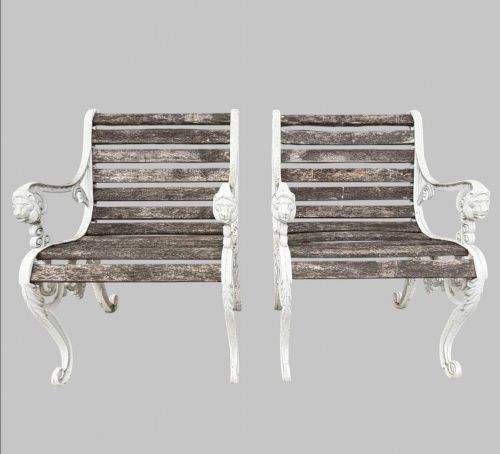
When buyers search for antique wooden lions, they encounter diverse forms spanning centuries of craftsmanship. The selection encompasses independent animal statues, architectural elements, and fierce newel post finials designed to crown staircases.
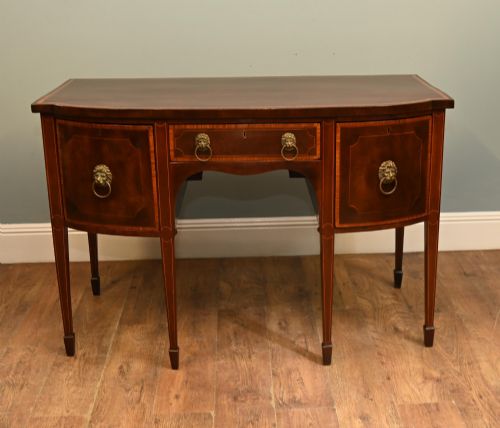
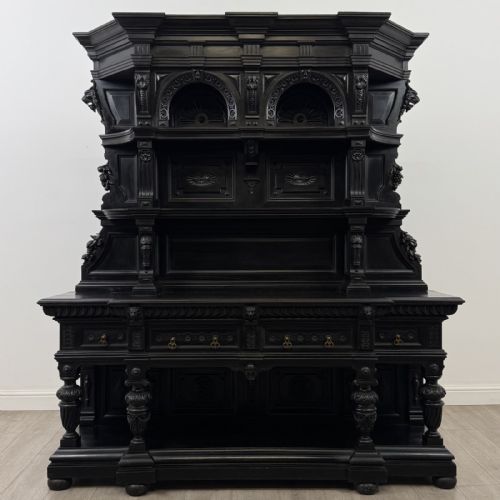
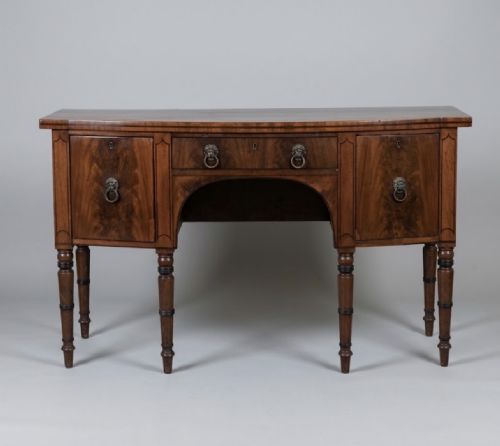
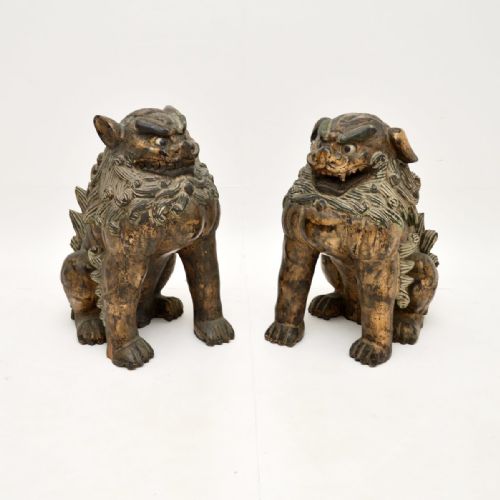
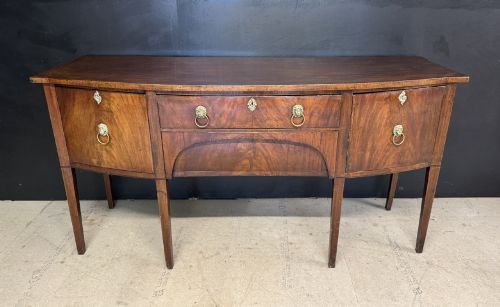
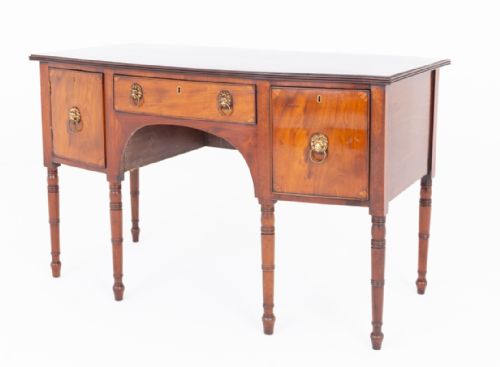
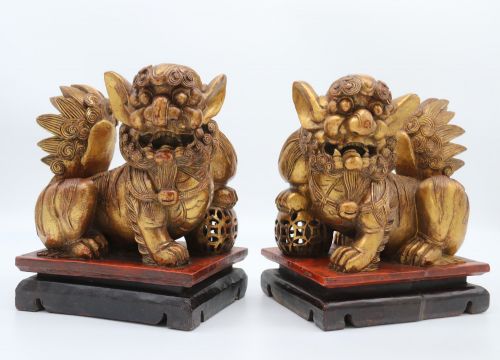
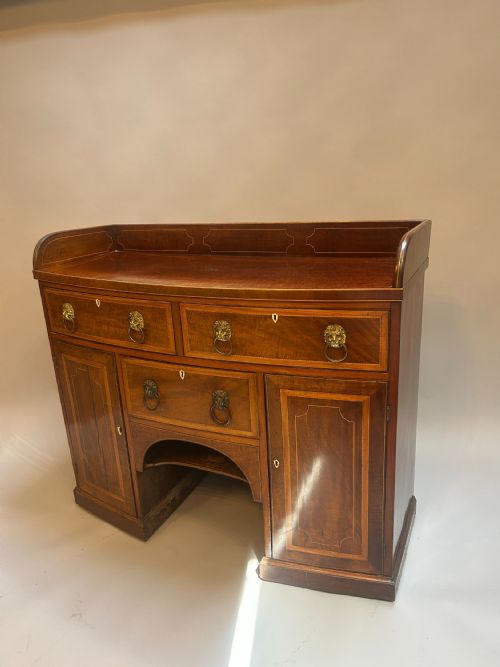
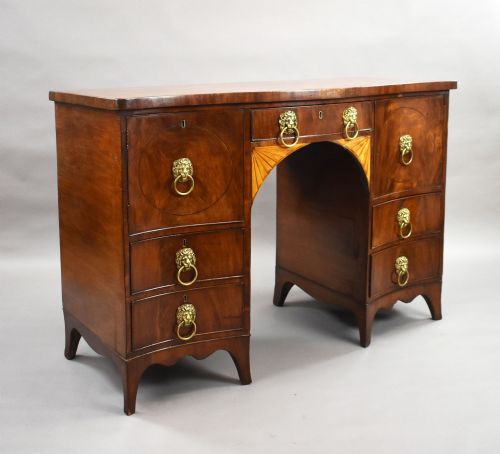
Many examples emerge as part of furniture enrichment, such as carved lion masks adorning sideboard drawers or holding brass rings on tea caddies and cellarettes. Other pieces take the form of Chinese carved wood Foo dogs or temple statues originating from distinct Eastern traditions.
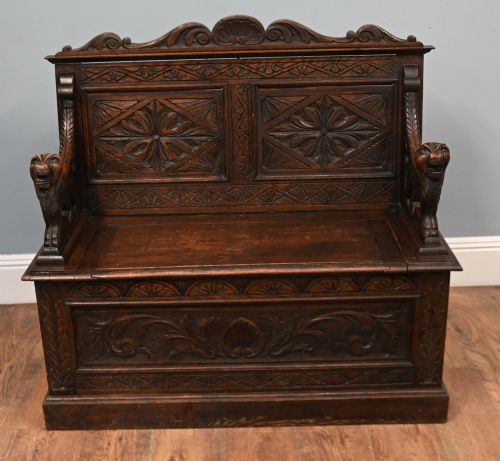
The objects serve primarily as decorative ornaments or architectural salvage, bringing a commanding presence to interior spaces. Buyers frequently find figures mounted on plinths or rendered as wall masks carved in heavy oak and mahogany.
How they were made
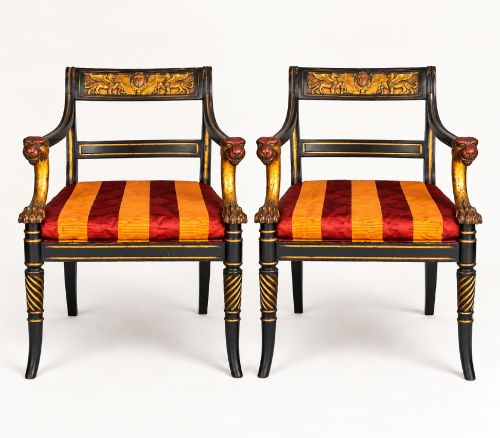
Larger architectural pieces and furniture mounts frequently involved joining solid timber sections or applying carved elements to structural carcases. Surface finishes varied from polished natural grain to ebonised treatments and applied gilt leaf, depending on the prevailing stylistic demands of the period.
Antique Wooden Lions Retail Price Guide 2026
Typical asking prices for wooden lions among the pieces listed under this phrase on Sellingantiques today, from the lower quarter to the upper quarter. They describe what is for sale here now, not the wider market.
What varies in quality
The mastery of the carver dictates the visual power of each figure, distinguishing spirited anatomical rendering from stiff, rudimentary execution. Superior examples display deep relief work, dynamic posture, and careful attention to musculature and expression.
The choice of medium and the preservation of the original timber surface heavily influence the standing of a piece. Original patination, untouched surface treatments, and crisp detailing on hard timbers like boxwood or oak separate exceptional sculptures from worn or heavily restored items.
The Antique Wooden Lions Glossary
- Newel post finial
- A decorative carved ornament placed at the top of the main stair post. These wooden lions terminate staircases with an authoritative flourish.
- Foo dog
- A traditional stylistic representation of a guardian lion originating in Chinese art. These figures often appear paired as temple statues or protective carvings.
- Sarcophagus cellarette
- A wine storage box shaped like a classical tomb, frequently fitted with lion mask handles. They date predominantly to the Regency period.
- Wall mask
- A sculptural carving intended for display directly on a vertical surface. These pieces project outward to depict fierce animal expressions in high relief.
- Gilt wood
- Timber treated with a thin layer of gold leaf or metallic powder. This technique highlights carved details through reflective contrast.
Antique Wooden Lions: Frequently Asked Questions
Where were wooden lions placed?
Carved lions historically guarded staircases as newel post finials or stood as independent decorative ornaments within grand reception rooms and hallways.
Smaller representations also functioned as furniture hardware, appearing as carved masks upon sideboards, tea caddies, and wine coolers.
How do I date an antique wooden lion?
Dating relies heavily on the timber species, tool marks left by the carver, and the overarching stylistic period of the carving. Regency and Victorian examples often exhibit distinct proportions compared to earlier seventeenth-century work.
Examining the underlying construction methods and any associated furniture mounts provides further chronological context for the piece.
Are Chinese Foo dogs the same as lions?
Chinese Foo dogs represent stylistic guardian lions rooted in Buddhist tradition, serving as symbolic protectors of sacred spaces. While sharing feline attributes, their stylisation differs significantly from Western naturalistic lion carvings.
These pieces typically feature distinctive curly mannes and are rendered in woods like boxwood or root wood.
How do I care for carved wooden figures?
Maintain these wooden sculptures by placing them away from direct sunlight and sudden temperature fluctuations that cause timber to split. Gentle dusting with a dry cloth preserves the original surface patination without stripping historic finishes.
Avoid applying modern liquid polishes, which can build up within the recesses of deep carvings.