


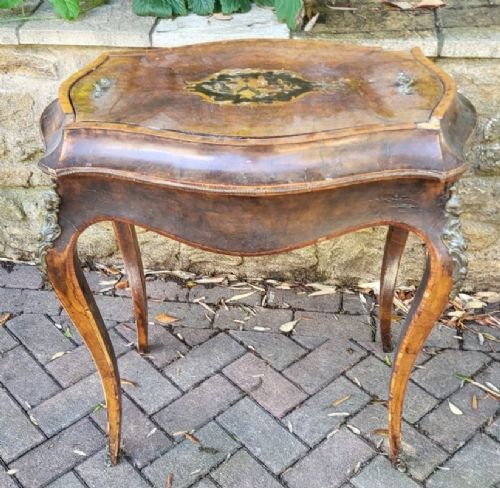
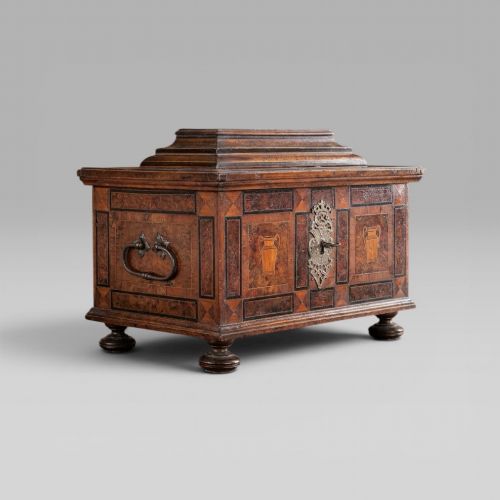
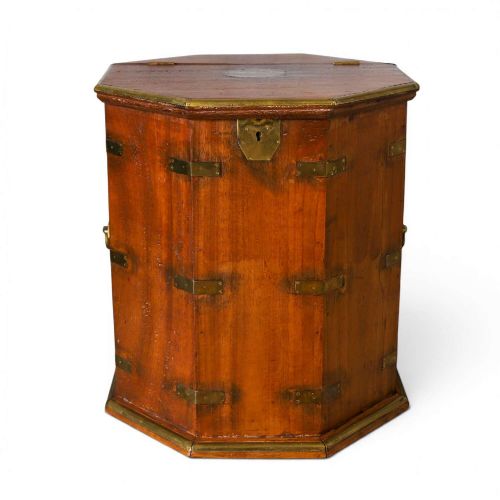
Antique Wooden Lidded Box
An antique wooden lidded box brings centuries of practical containment and timber craftsmanship straight into a modern room.
Antique Wooden Lidded Box
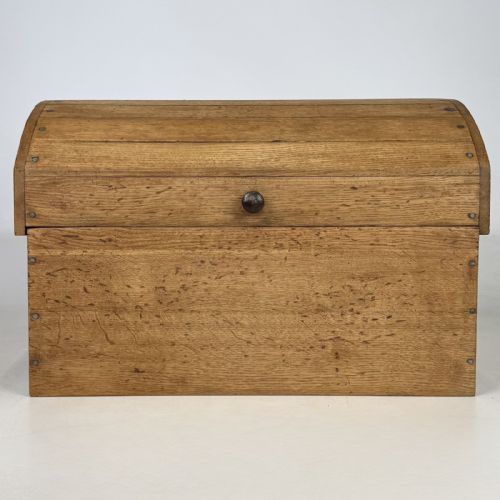
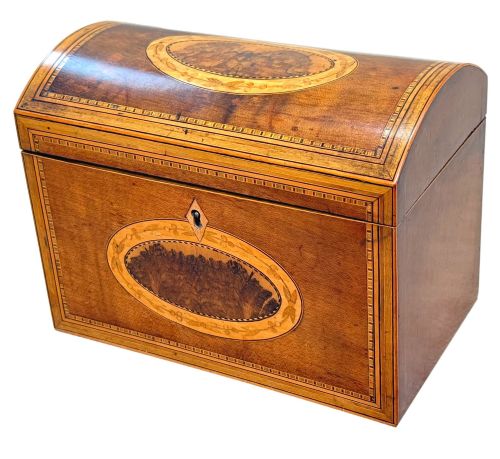
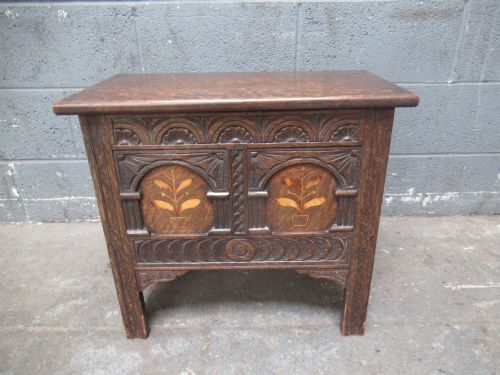
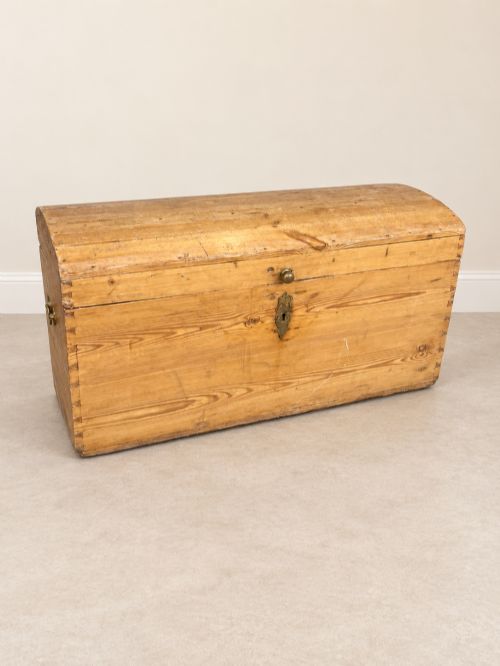
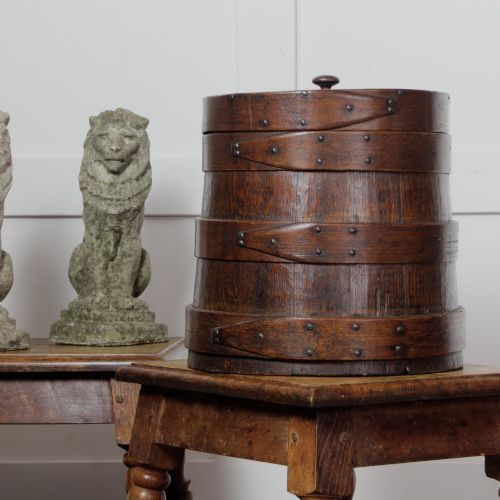
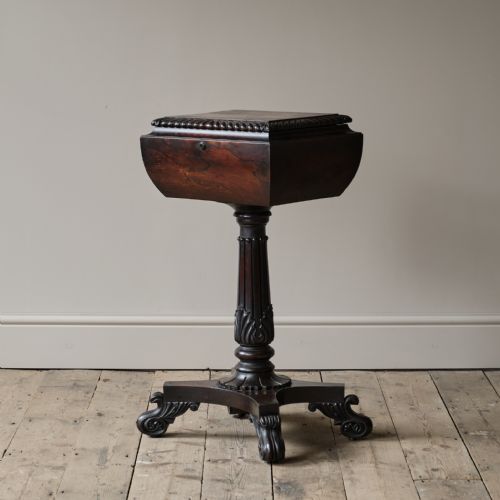
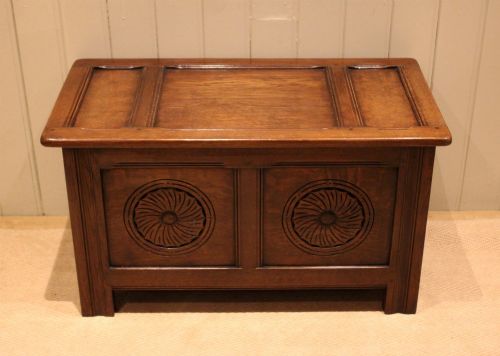
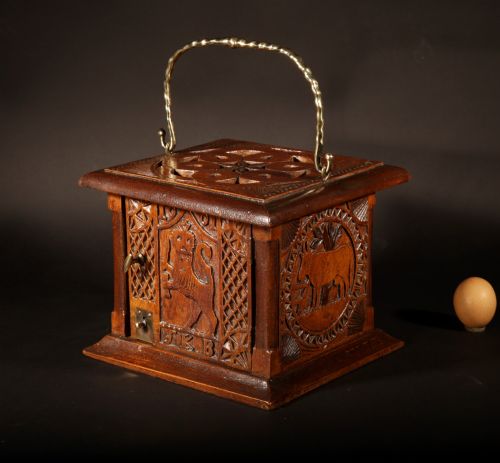
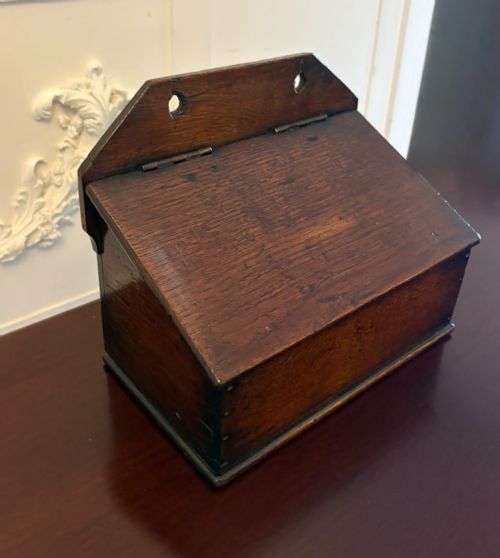
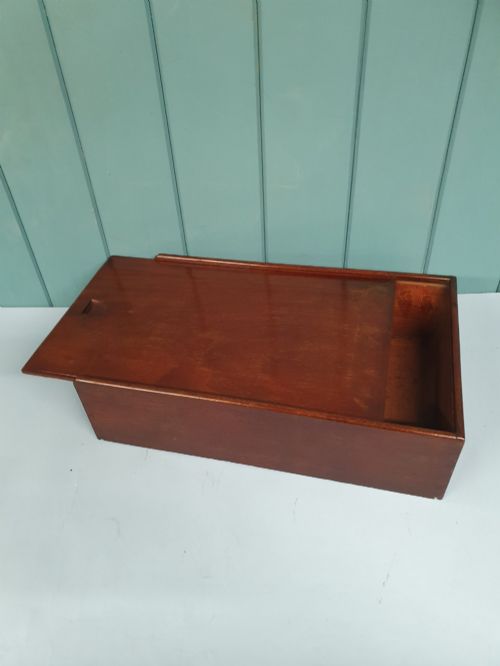
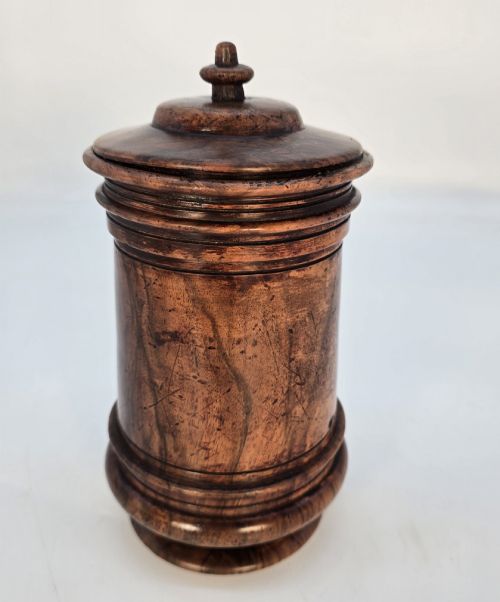
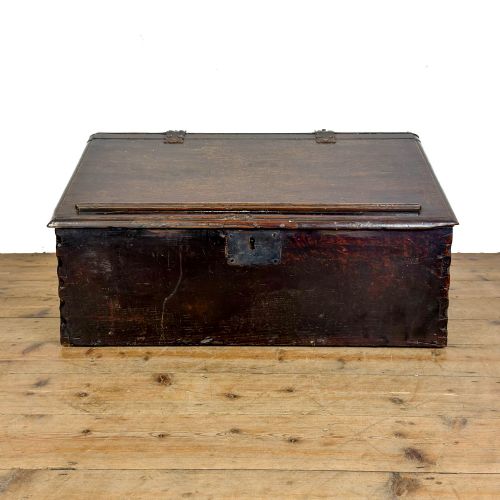
An antique wooden lidded box encompasses a diverse array of functional containers, ranging from tea caddies and document boxes to wall-hanging candle boxes and large coffers. These pieces span several centuries, drawing heavily from Georgian, Victorian, and Regency periods alongside rustic country traditions.
Materials and Construction
Cabinet makers utilised dense hardwoods such as oak, mahogany, walnut, and fruitwoods, often pairing them with secondary pine or boxwood for internal partitions. Burr variations and exotic grains provided decorative surface pattern, while brass hinges, locks, and handles secured the lids.
Joinery methods relied on hand-cut dovetails, pegged joints, and panel construction to accommodate timber movement over decades of use. Surface decoration involved intricate inlay, chip carving, marquetry, and occasionally painted scumble finishes.
Antique Wooden Lidded Box Retail Price Guide 2026
Typical asking prices for wooden lidded box among the pieces listed under this phrase on Sellingantiques today, from the lower quarter to the upper quarter. They describe what is for sale here now, not the wider market.
Materials documented across the pieces include oak, mahogany, pine, boxwood, burr walnut, and iron hardware.
Judging Quality
Quality rests in the crispness of the timber selection, where book-matched veneer or tightly figured burr walnut displays deliberate aesthetic planning by the maker. The integrity of the original hinges, locks, and internal compartments elevates a piece far above standard utilitarian storage.
Refined hand-cut dovetails and precise inlay indicate superior workshop output, whereas coarse joints and replaced hardware suggest utilitarian repair. The depth of the patina built across centuries of handling ultimately separates standard containers from exceptional survivals.
The Antique Wooden Lidded Box Glossary
- Tea caddy
- A lidded box designed specifically for storing loose tea leaves securely. These often featured internal foil linings or multiple compartments with separate lids.
- Coffer
- A large, heavy wooden chest with a hinged lid used historically for storing valuables or household goods. They frequently exhibit robust oak construction and iron hardware.
- Tunbridge ware
- Small wooden objects decorated with mosaic patterns created from tiny pieces of naturally coloured woods. This meticulous mosaic technique originated in Kent.
- Sarcophagus
- A box shape featuring a convex, sloping lid reminiscent of an ancient stone tomb. This distinctive silhouette appeared frequently on Regency and Victorian tea containers.
Antique Wooden Lidded Box: Frequently Asked Questions
What were antique wooden lidded boxes used for?
These containers served specific domestic functions in period homes, holding valuable dry goods like tea, documents, candles, or personal items such as snuff. Their lidded designs kept contents secure from moisture, dust, and light.
Over time, many evolved from purely functional items into decorative desk accessories or drawing-room ornaments displayed on tables and chests.
How do I identify a Georgian box?
Georgian examples typically display restrained classical proportions, premium mahogany or oak timbers, and straightforward brass carrying handles. Look for hand-cut dovetail joints and minimal, elegant inlay work rather than heavy carving.
Interior layouts on Georgian tea caddies and document cases generally feature unpretentious partitions designed for daily utility.
What is burr walnut?
Burr walnut refers to a specialised wood veneer taken from a tree growth or knot where the grain has swirled and tumbled into intricate patterns. Cabinet makers prized this timber for its rich texture and decorative impact on luxury boxes.
Pieces utilising burr walnut often date from the Victorian era and highlight high-status interior furnishings.
How do I care for an antique box?
Keep wooden boxes away from direct sunlight and sudden temperature shifts to prevent the timber from splitting or warping. Dust them gently with a dry, soft cloth and avoid modern aerosol polishes.
Applying a traditional beeswax occasionally helps nourish dry historical timbers and maintains the natural lustre of the finish.